
Tel Aviv
The sensory reality of Tel Aviv hits you first at the shoreline, where the scent of saltwater mixes with roasting coffee and the hum of electric bikes.
Guests & rooms
The Tel Aviv guide
An insider’s read on Tel Aviv
TThe sensory reality of Tel Aviv hits you first at the shoreline, where the scent of saltwater mixes with roasting coffee and the hum of electric bikes.
Founded on sand dunes in 1909 as a Jewish suburb of the ancient port of Jaffa, Tel Aviv quickly evolved into a modernist laboratory. Fleeing European architects in the 1930s brought the International Style, creating the world's largest concentration of Bauhaus buildings. Today, the city operates as a secular, liberal enclave, fiercely independent in its identity and defined by a work-hard, play-harder ethos.

PLATE ITel Aviv, Israel

Guides & ideas
The Tel Aviv reading list
Hand-written guides from our editors — itineraries, the best of after dark, where to eat, and what’s genuinely worth your time.
Tours & ticketsLatest guide
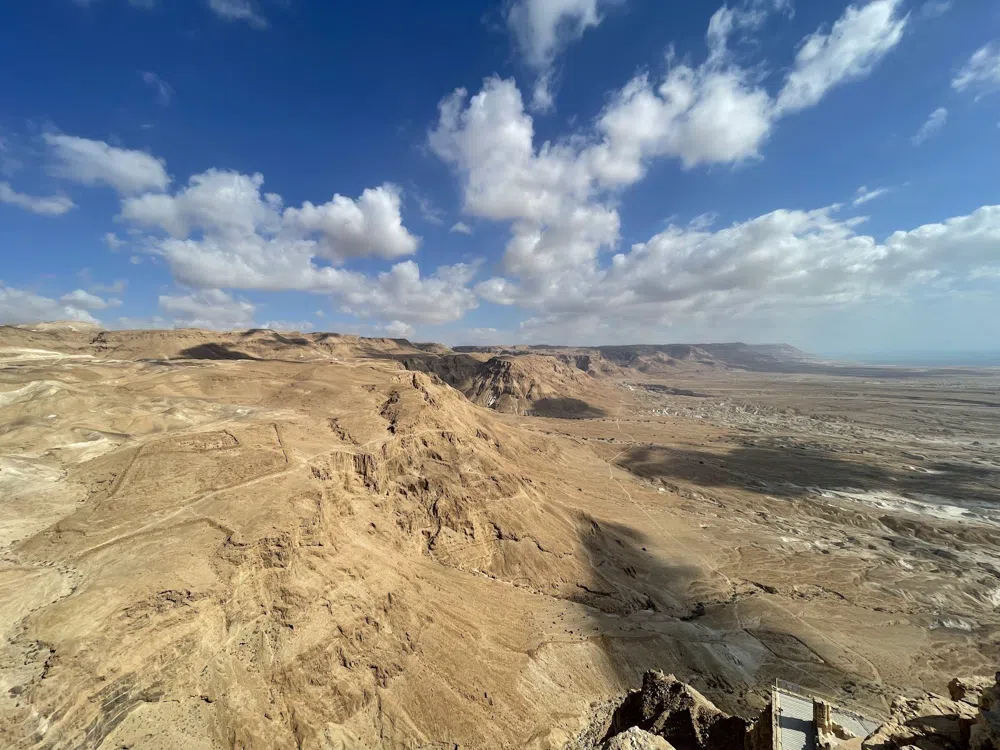
Masada at Sunrise and a Dead Sea Float from Tel Aviv
The cable car does not run for sunrise, so the light on Herod's terraces has to be walked for: the timings that work, and where to float afterwards.
Tours & tickets
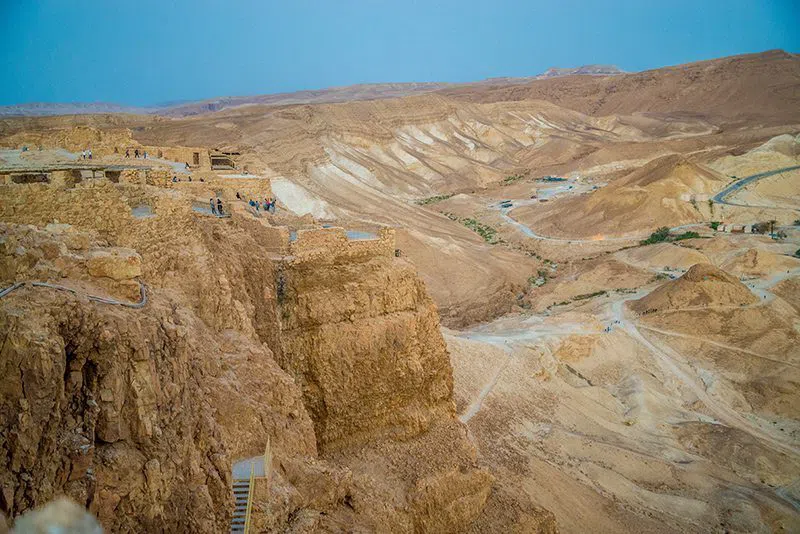
How to Do Masada and the Dead Sea from Tel Aviv in September
A twelve-hour desert day from Tel Aviv, timed around the September heat. When to climb, when to go indoors, which stretch of shore to swim from, and what the whole thing costs at the gate.
Tours & tickets
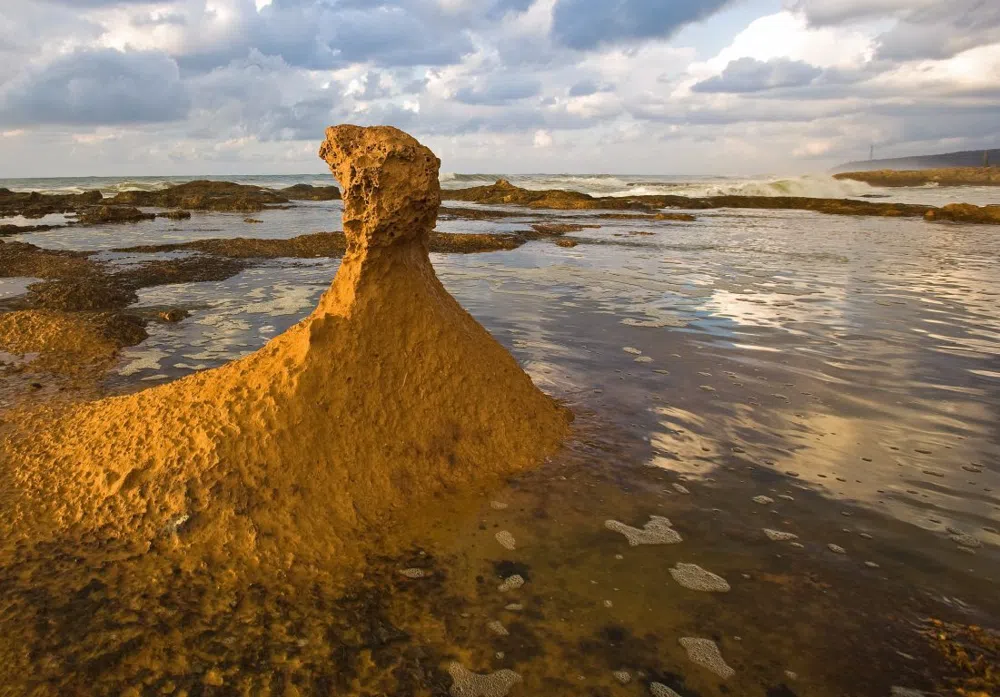
Tel Aviv to Rosh Hanikra in September With the Grottoes Closed
The sea caves at the end of the country are shut this September. The northern day out of Tel Aviv still works, and this is where you stand for the view now.
Tours & tickets
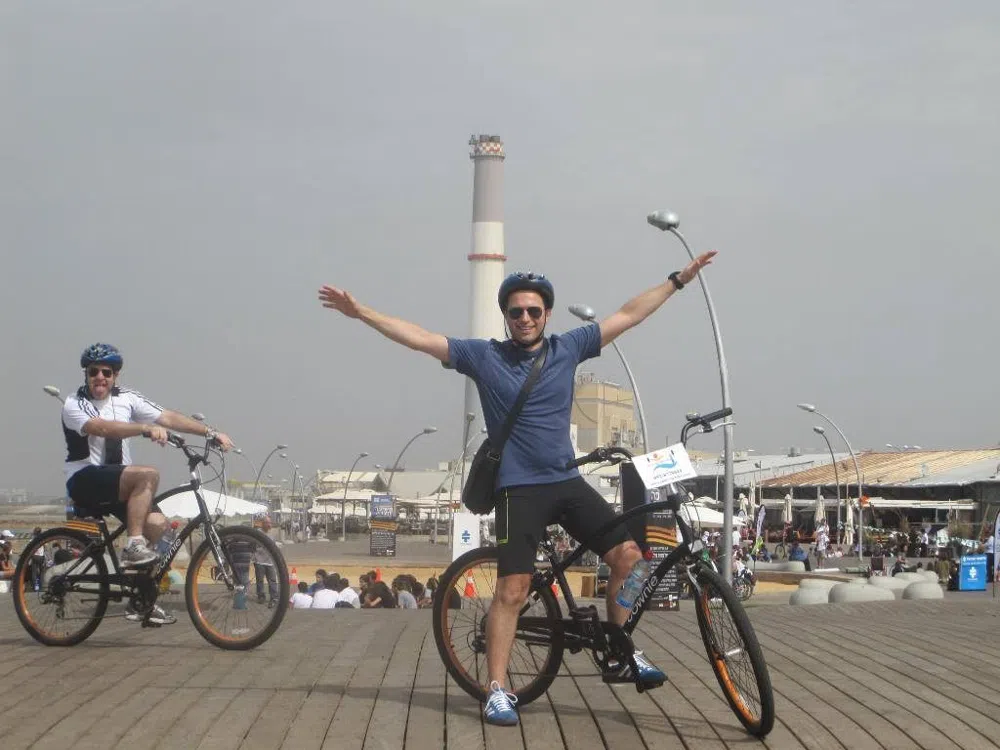
Riding the Tayelet from Tel Aviv Port Down to Jaffa
A flat, mostly car-free line from the northern seafront to a working fishing harbour, and the opening hours that decide what time you should set off.
Tours & tickets
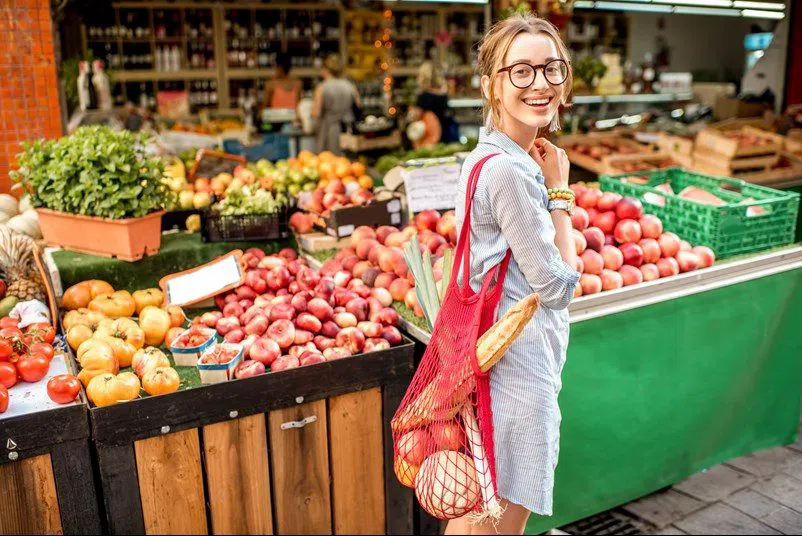
Eating Your Way Down Tel Aviv's Carmel Market in September
What to eat, when to arrive, and whether the guided walk through Tel Aviv's biggest shuk is worth 145 USD in the last of the September heat.
More Tel Aviv guides · 18
Tours & tickets
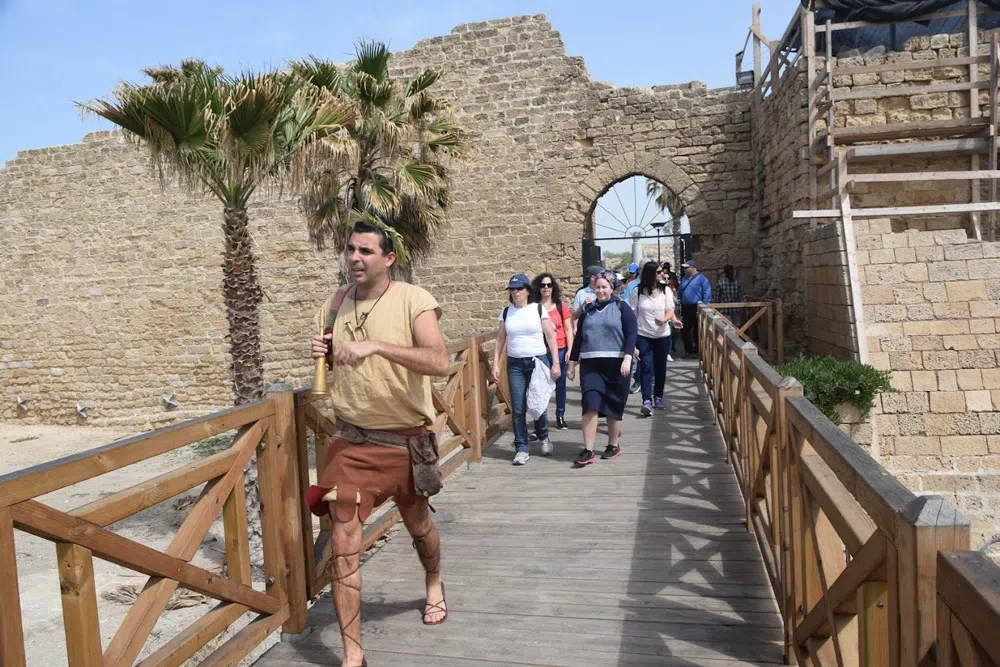
Caesarea in September on a Day Trip North of Tel Aviv
Tours & tickets
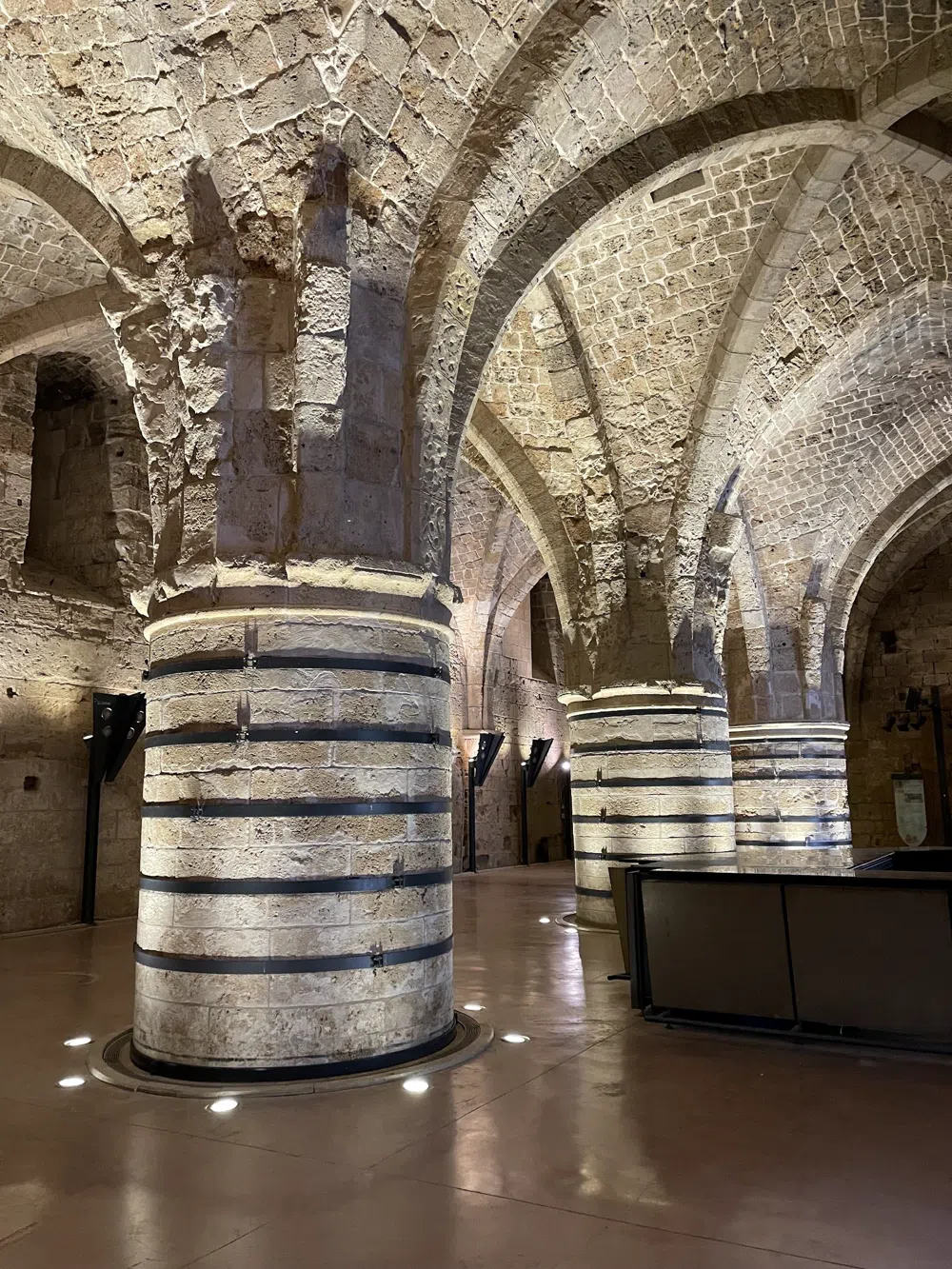
Walking the Crusader City of Acre from Tel Aviv
Tours & tickets
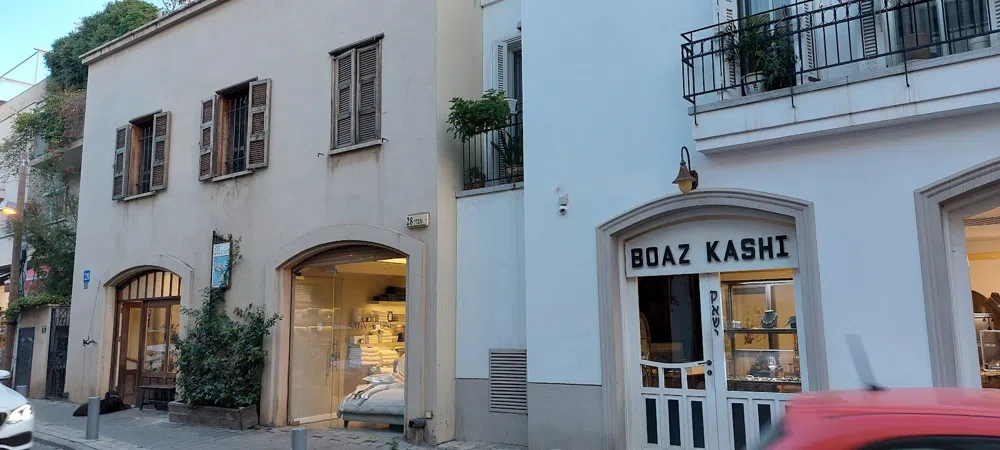
Walking Neve Tzedek in Tel Aviv's September Light
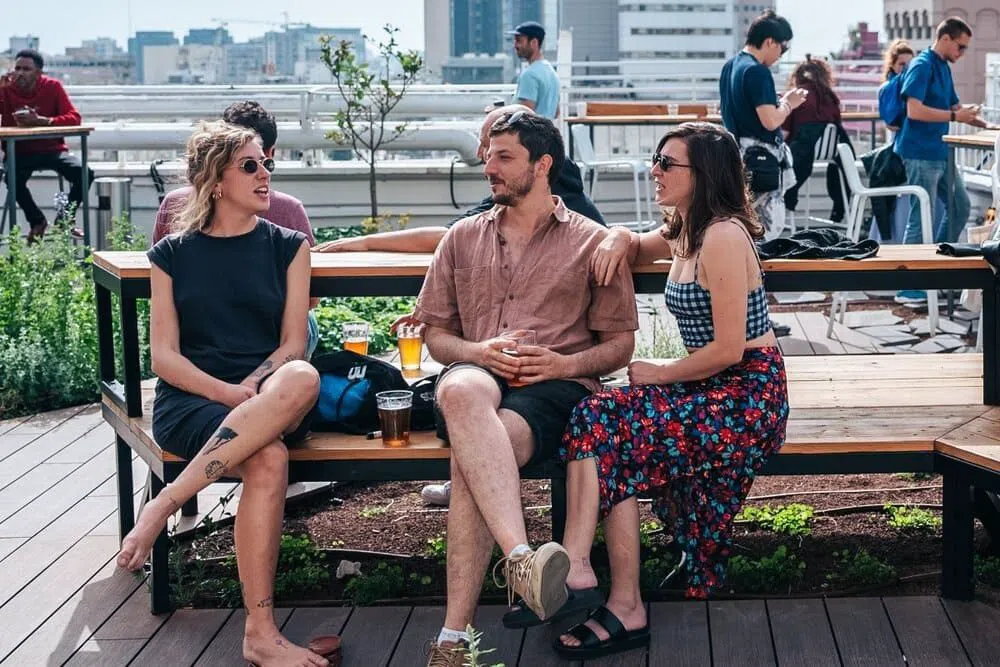
Arriving Alone in Tel Aviv and Not Staying That Way
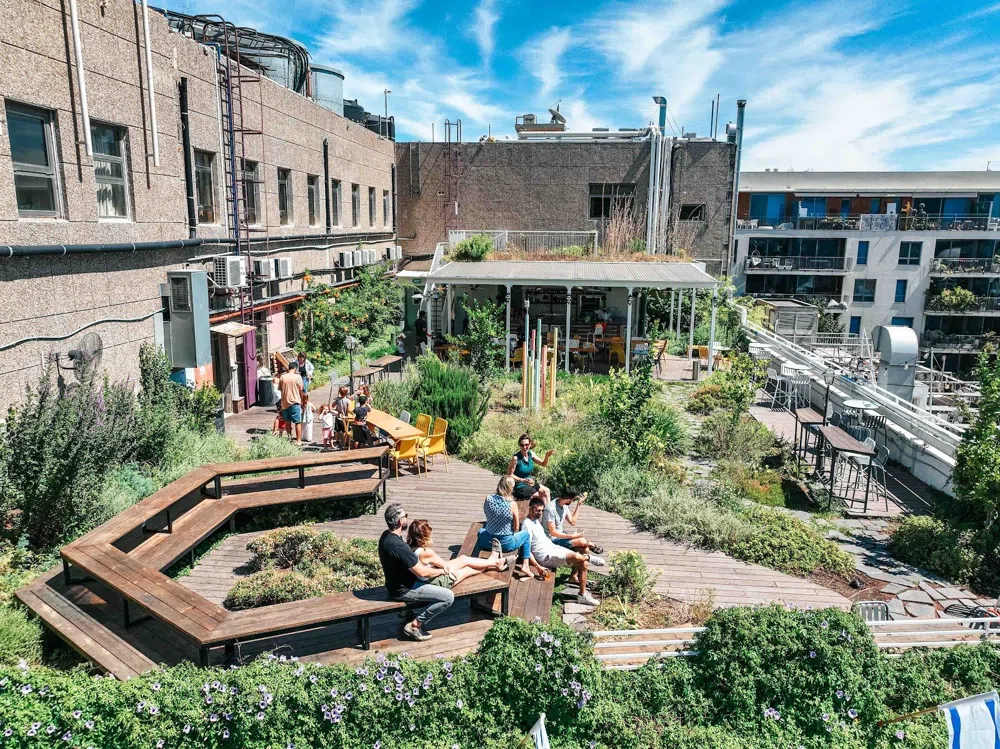
Where to Stay in Tel Aviv When You Arrive Without a Car
Tel Aviv Indoors When the October Rain Arrives
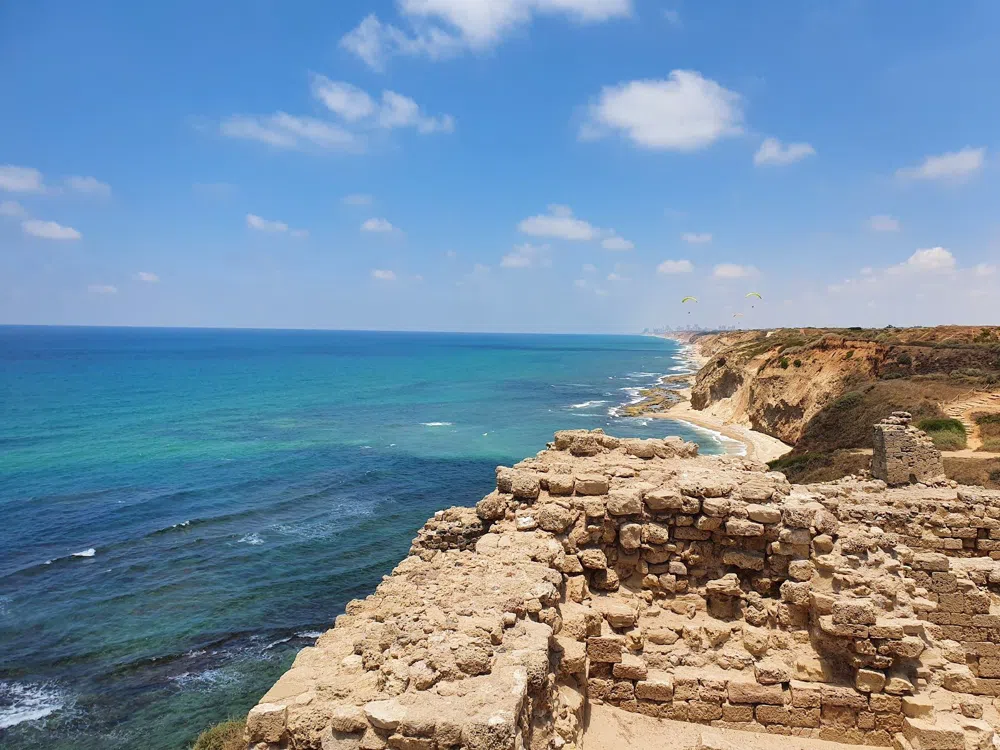
Ruins, Sand and Flat Walks a Short Drive from Tel Aviv
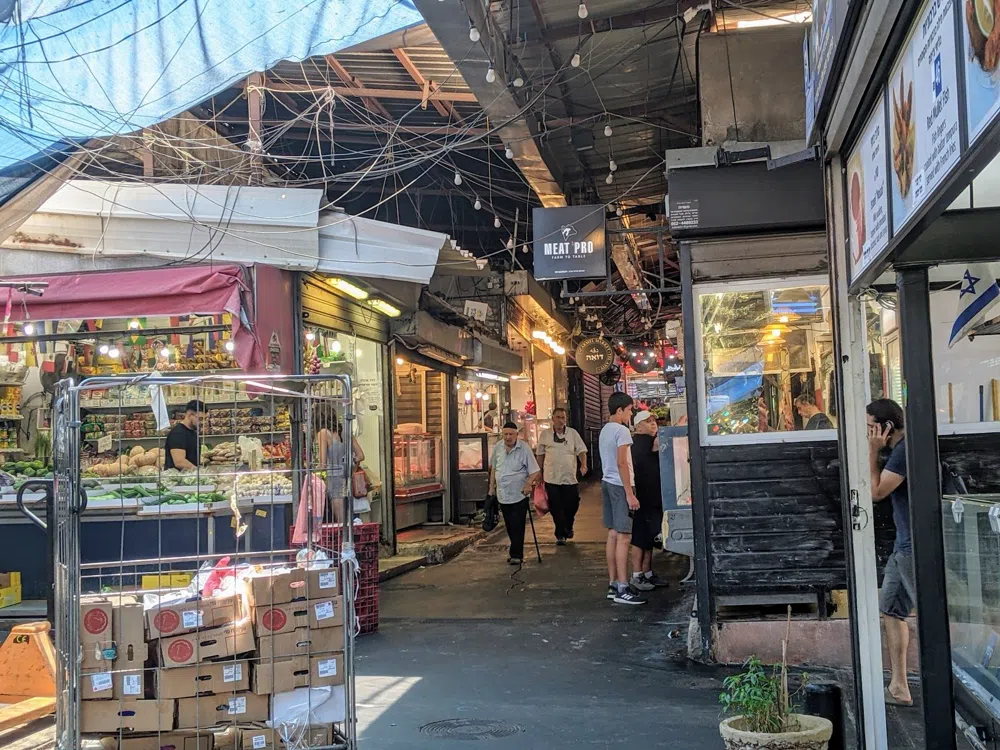
Planning a Tel Aviv Weekend Around Friday and Shabbat
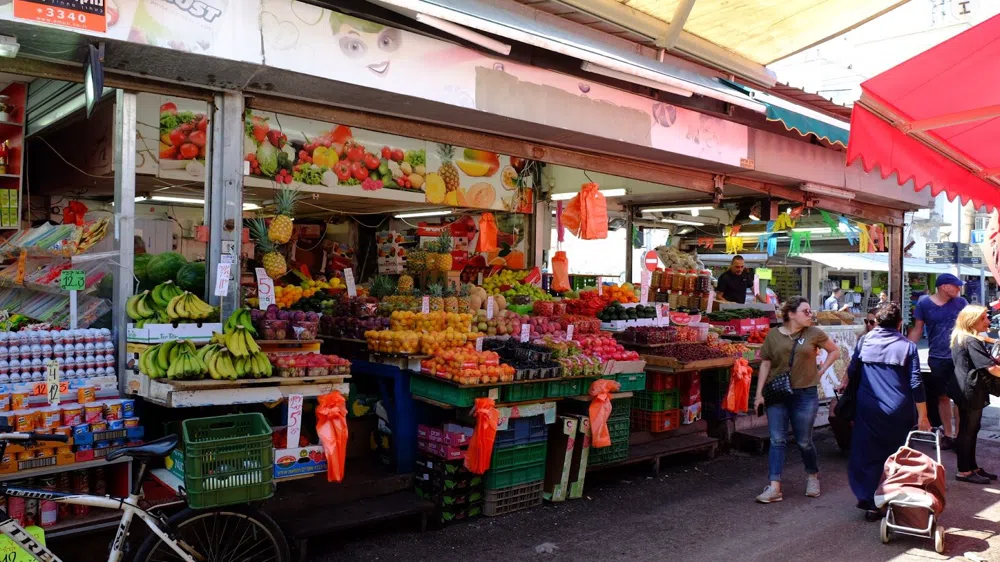
Walking Tel Aviv Alone on Your First Day
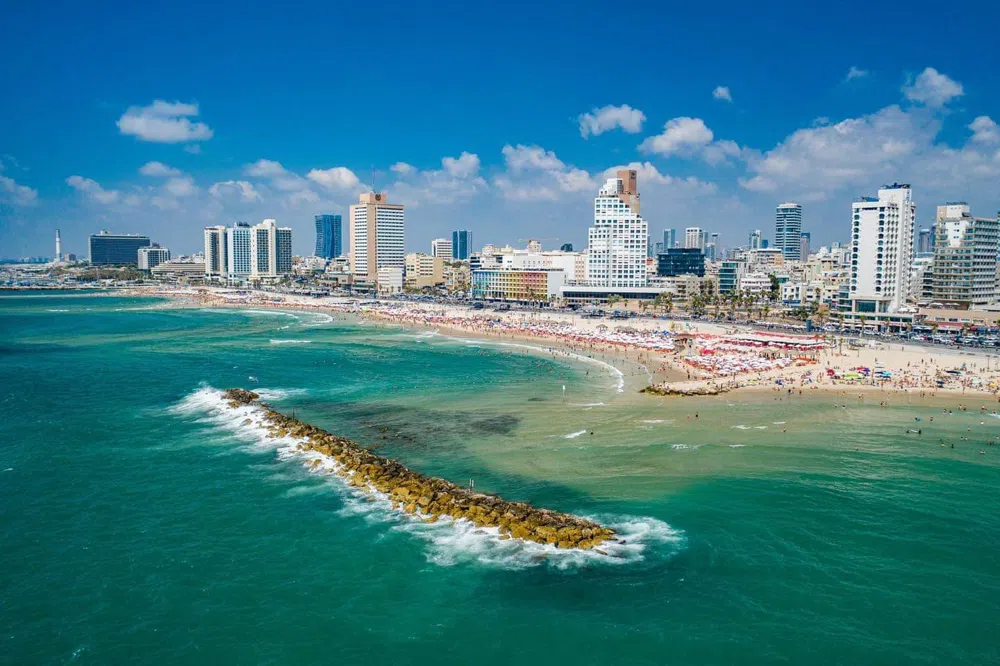
Five Days in Tel Aviv Without Renting a Car
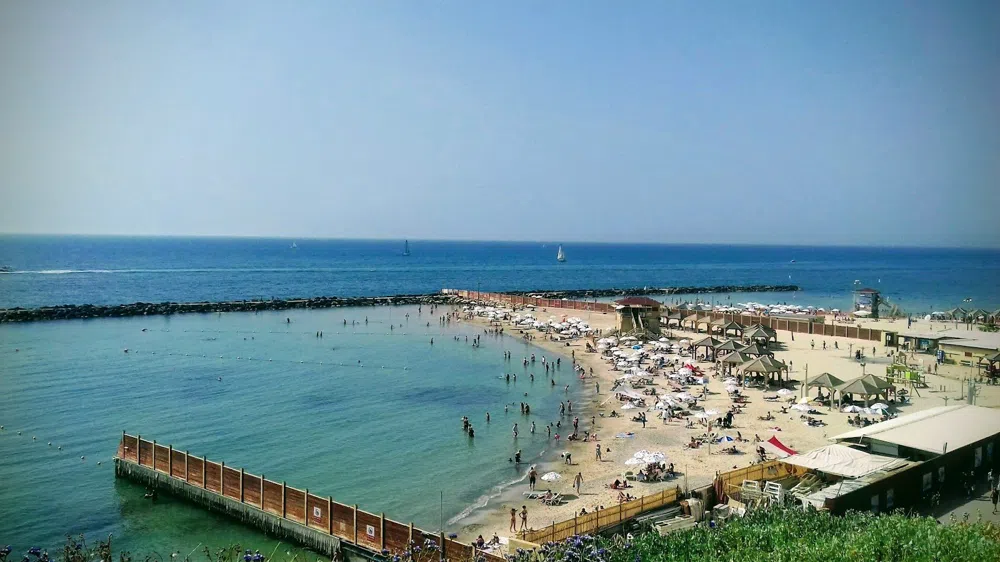
October in Tel Aviv Means Warm Sea and Walkable Streets
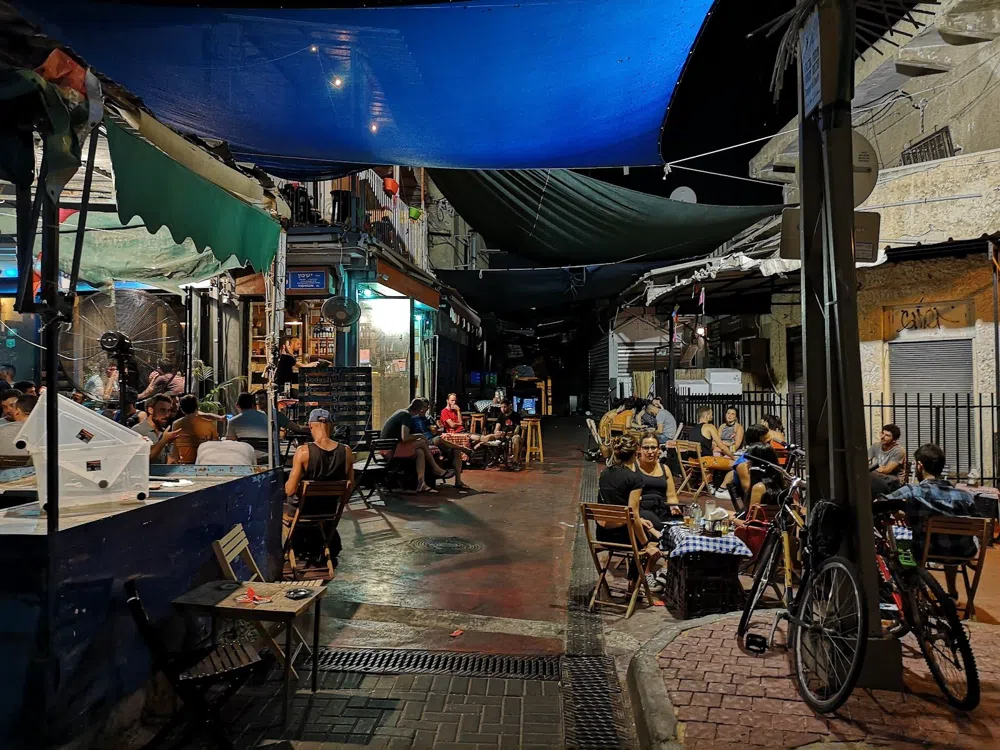
Carmel Market's Second Shift: Tel Aviv After Dark
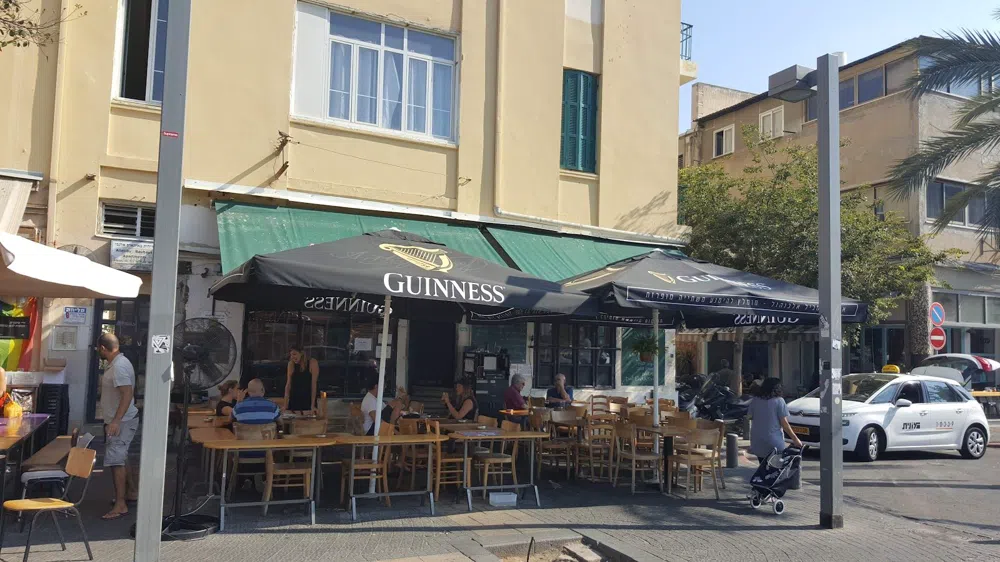
Tel Aviv After Midnight: A Café Crawl That Never Ends
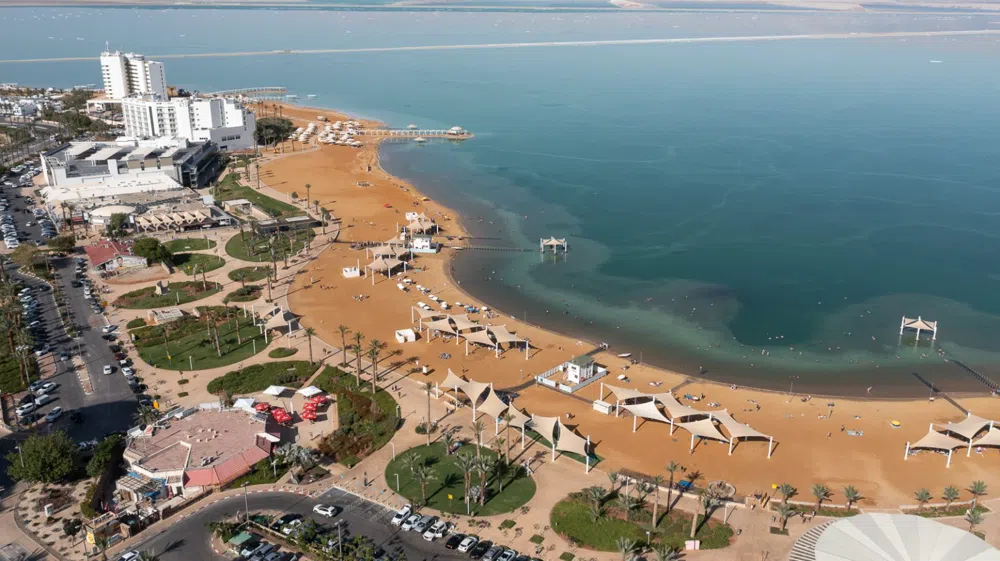
The Dead Sea's Otherworldly Float: A Practical How-To for First-Timers
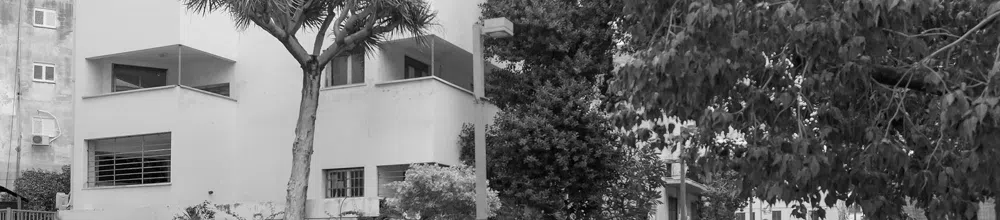
The White City: Walking Tel Aviv's Bauhaus Streets
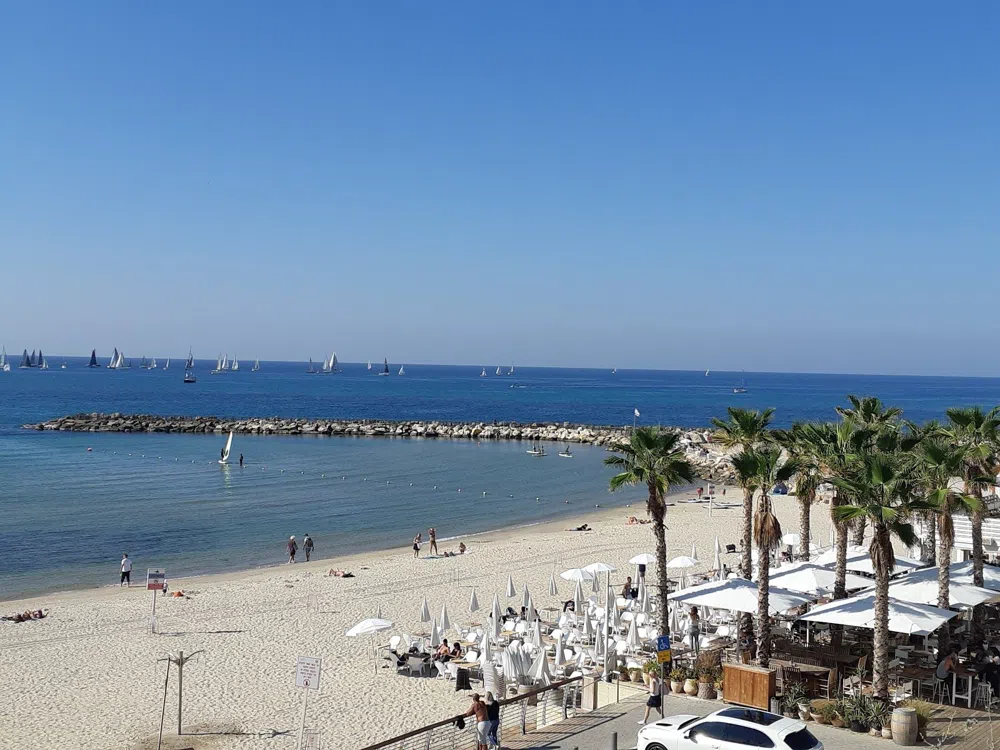
Beach by Beach: Tel Aviv's Mediterranean Strip from Dawn to Dusk
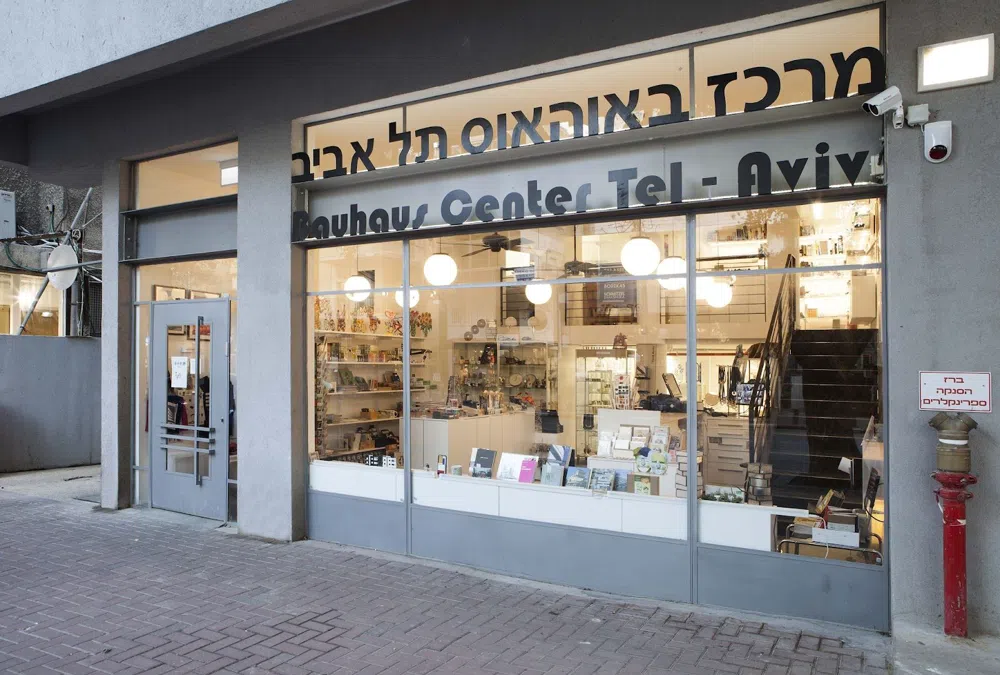
The White City Walk: Tel Aviv's Bauhaus Blocks, One Street at a Time
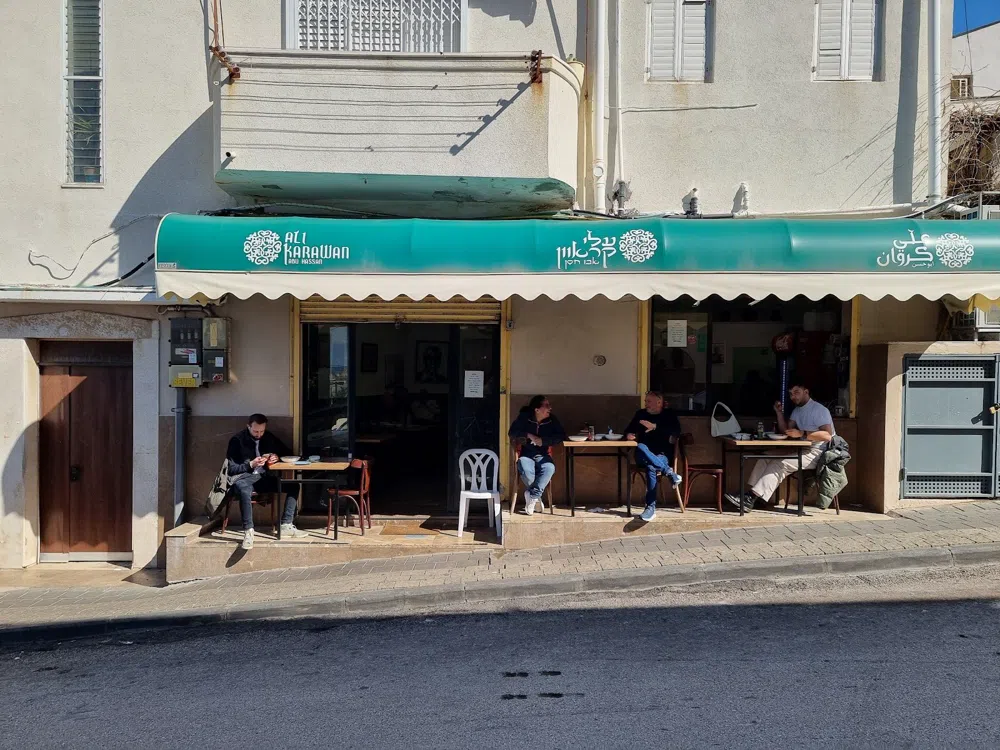
The Hummus Pilgrimage: Tel Aviv's Most Obsessive Chickpea Ritual
Where to base yourself
The neighborhoods
01
Neve Tzedek
For Couples and design enthusiasts. The trade-off is high prices and a lack of everyday local amenities.
The first neighborhood built outside Jaffa, featuring narrow alleys, restored late 19th-century architectural styles, and upscale boutiques.
Where to stay — High-end boutique hotels and quiet, luxury apartment rentals.
02
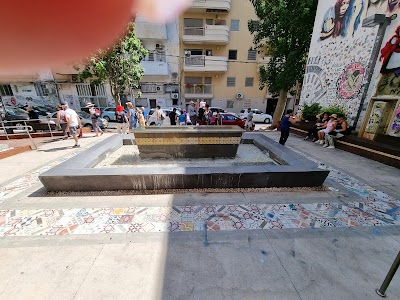
Florentin
For Budget travelers and nightlife seekers. The trade-off is noisy nights and unkempt streets.
A gritty, industrial-turned-hipster enclave filled with street art, wholesale spice shops, and dive bars.
Where to stay — Hostels and industrial loft conversions.
03
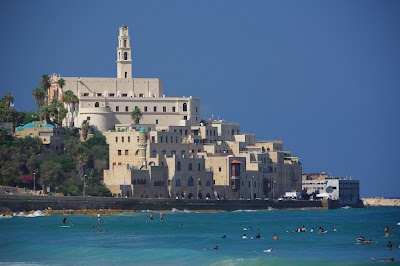
Jaffa (Yafo)
For History lovers and those seeking cultural depth. The trade-off is the distance from the modern city center.
An ancient port town with stone alleys, historic mosques, and a bustling flea market.
Where to stay — Luxury heritage hotels and atmospheric guesthouses.
04
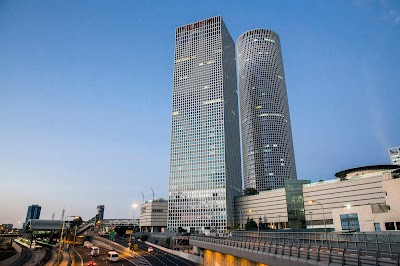
Lev HaIr (City Center)
For First-time visitors wanting central access. The trade-off is heavy traffic and premium accommodation rates.
The cultural and architectural heart of the city, centered around the tree-lined Rothschild Boulevard.
Where to stay — Mid-range to luxury design hotels.
05
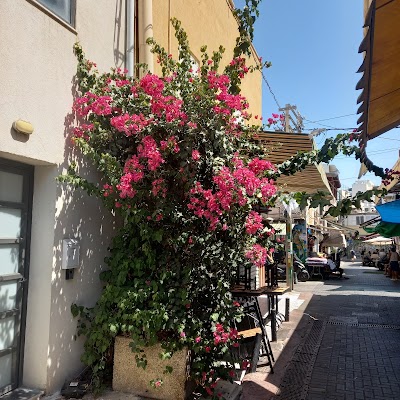
Kerem HaTeimanim (Yemenite Quarter)
For Food lovers who want an authentic, unpolished local feel. The trade-off is cramped streets and market noise.
A low-slung, historic neighborhood adjacent to the Carmel Market, defined by narrow lanes and traditional eateries.
Where to stay — Small guesthouses and vacation rentals.
06
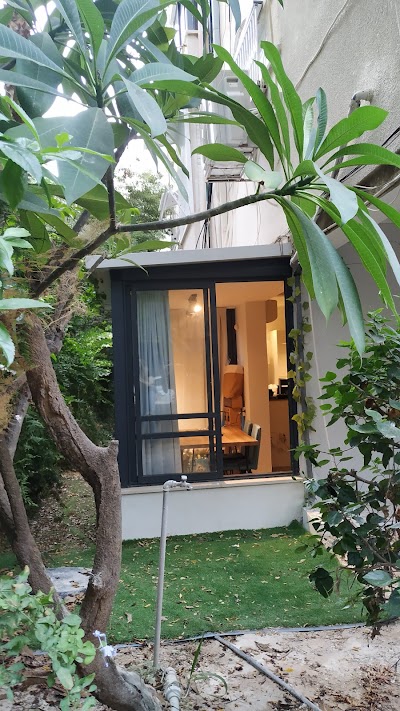
The Old North
For Families and travelers seeking a quieter, more relaxed coastal stay. The trade-off is a quieter nightlife scene.
An upscale, leafy residential neighborhood close to the beach and the city's largest park.
Where to stay — Mid-range hotels and family-friendly apartments.
Book direct
Book a hotel in Tel Aviv
Loading live availability and real-time prices…
Where to eat
Dining
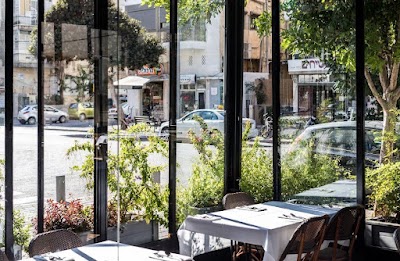
Shila
€€€€Ben Yehuda
A high-energy seafood bar known for its lively open kitchen and creative raw fish preparations.
Signature — Red tuna carpaccio with fresh ginger and soy
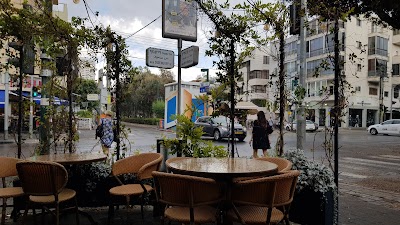
Goocha
€€Dizengoff
A casual, long-standing neighborhood bistro serving reliable seafood classics without pretense.
Signature — Mussels in white wine, garlic, and cream
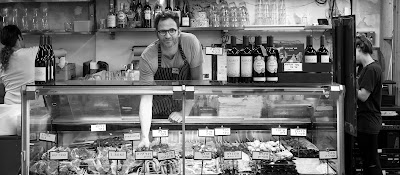
M25
€€€Carmel Market
A no-nonsense butcher-to-table restaurant hidden in the market alleys, sourcing premium local beef.
Signature — Arayes (charcoal-grilled pita stuffed with spiced minced beef)
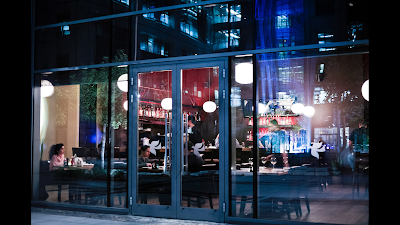
Hudson Brasserie
€€€€Ramat HaChayal
Widely regarded as the city's premier dry-aged steakhouse, serving custom cuts in an American-style setting.
Signature — The 'Hanger' steak dry-aged on site
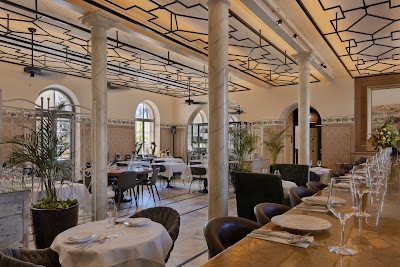
George & John
€€€€Jaffa
Located inside the historic Drisco Hotel, this refined kitchen offers elevated charcoal-grilled meats using local heritage breeds.
Signature — Charcoal-grilled lamb chops with local herbs
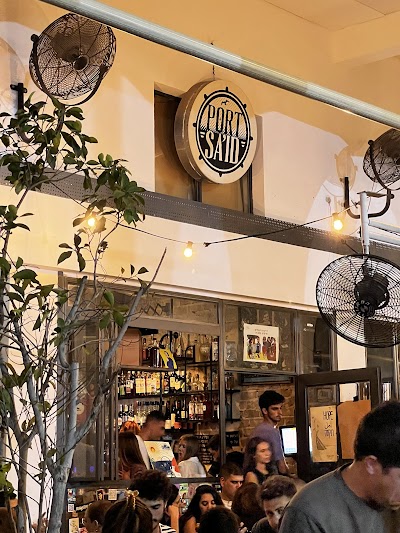
Port Sa'id
€€Har Sinai
Chef Eyal Shani's vinyl-spinning hotspot serves simple, ingredient-focused local dishes to a trendy crowd.
Signature — Minute steak served on fresh tahini and tomato perfume
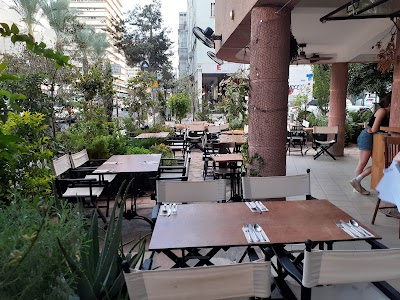
Dok
€€€Ibn Gabirol
A hyper-local kitchen where 100% of the ingredients, including wines and spirits, are sourced within the country.
Signature — Kohlrabi ravioli stuffed with local goat cheese
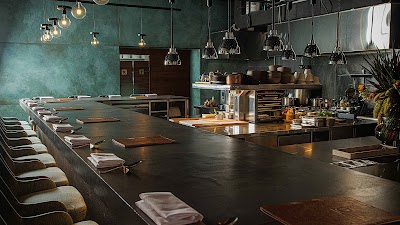
OCD
€€€€Jaffa
An exclusive, multi-course tasting menu centered around a communal bar, where chef Raz Rahav reinterprets local culinary memories.
Signature — The seasonal multi-course tasting menu
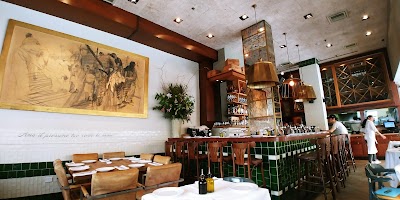
Pronto
€€€€Herzl
Chef David Frenkel combines classic Italian techniques with bold Levantine ingredients in a sleek, modern space.
Signature — Handmade tortellini with local seasonal mushrooms
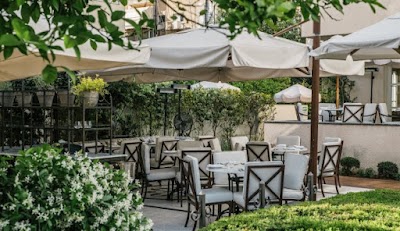
Alena
€€€€The Norman
Elegant Mediterranean dining in a lush, upscale garden courtyard within the city's premier boutique hotel.
Signature — Salt-baked sea bass with local herbs
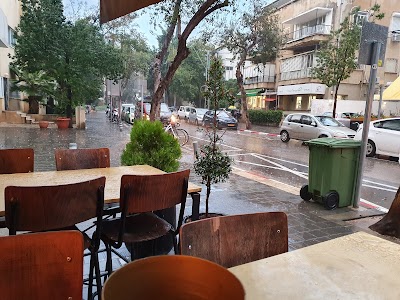
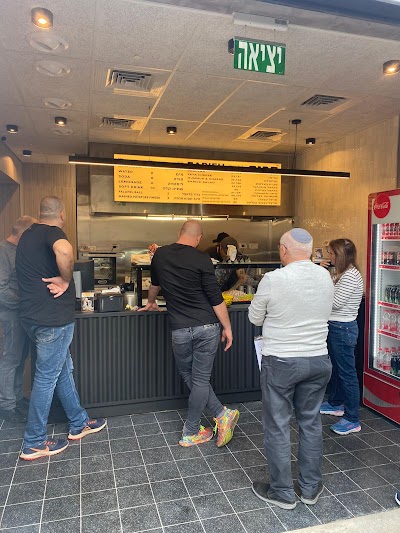
HaKosem
€Shlomo Hamelech
A legendary street-food institution serving falafel, shawarma, and sabich with military efficiency and exceptional freshness.
Signature — Falafel pita with extra amba and tahini
Sabich Frishman
€Dizengoff
The gold standard for the classic Iraqi-Jewish breakfast sandwich of fried eggplant, hard-boiled egg, and potato.
Signature — Classic Sabich in warm, fluffy pita
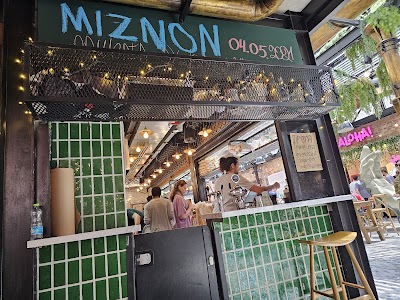
Miznon
€King George
The original branch of the global chain that elevated street food by stuffing gourmet ingredients into fresh pita.
Signature — Runny egg ribeye steak pita
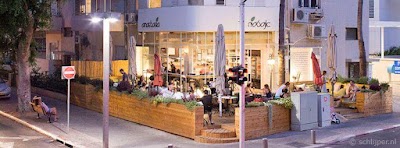
Anastasia
€€Frishman
A pioneer of the local vegan scene, famous for its house-made nut cheeses, raw bowls, and exceptional coffee.
Signature — The open-table vegan breakfast platter
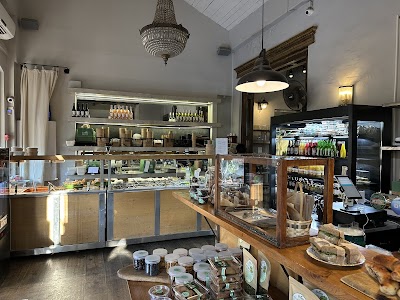
Meshek Barzilay
€€€Neve Tzedek
An organic, farm-to-table vegetarian restaurant set in a beautiful, light-filled space in Neve Tzedek.
Signature — Pumpkin gnocchi with cashew cream
After dark
Nightlife
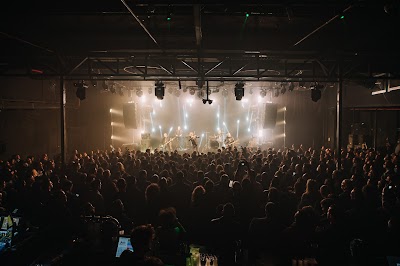
Gagarin
Kibbutz Galuyot
A multi-room underground electronic music venue hosting dark techno, house, and experimental club nights.
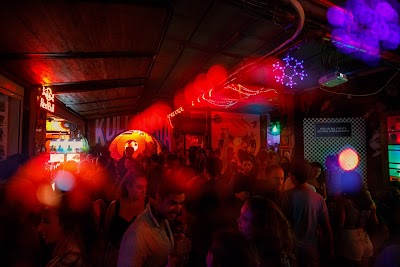
Kuli Alma
Mikveh Israel
An art-focused, multi-level club featuring outdoor courtyards, exhibition spaces, and eclectic DJ sets.
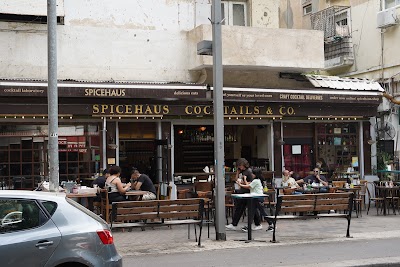
Spicehaus
Dizengoff
A themed 'cocktail pharmacy' where drinks are served in beakers by bartenders in lab coats.
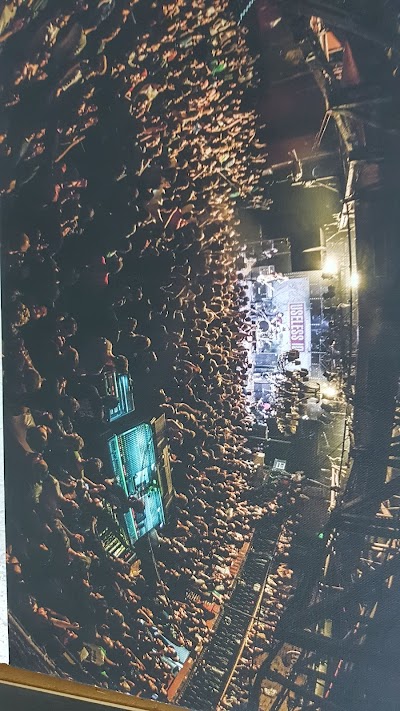
Barby
Kibbutz Galuyot
The legendary temple of local rock, indie, and alternative live music, hosting both local icons and touring acts.

Levontin 7
Levontin
An underground basement venue hosting jazz, avant-garde, indie, and experimental performances.
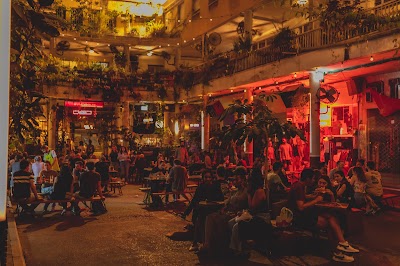
Teder.fm
Derech Jaffa
A pop-up radio station turned permanent courtyard hangout hosting live bands, DJs, and record fairs.
Art & history
Culture
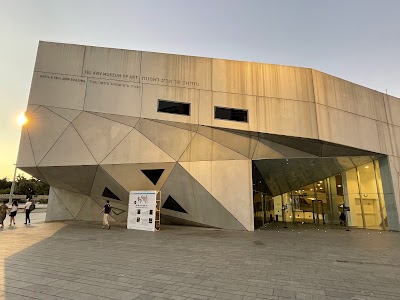
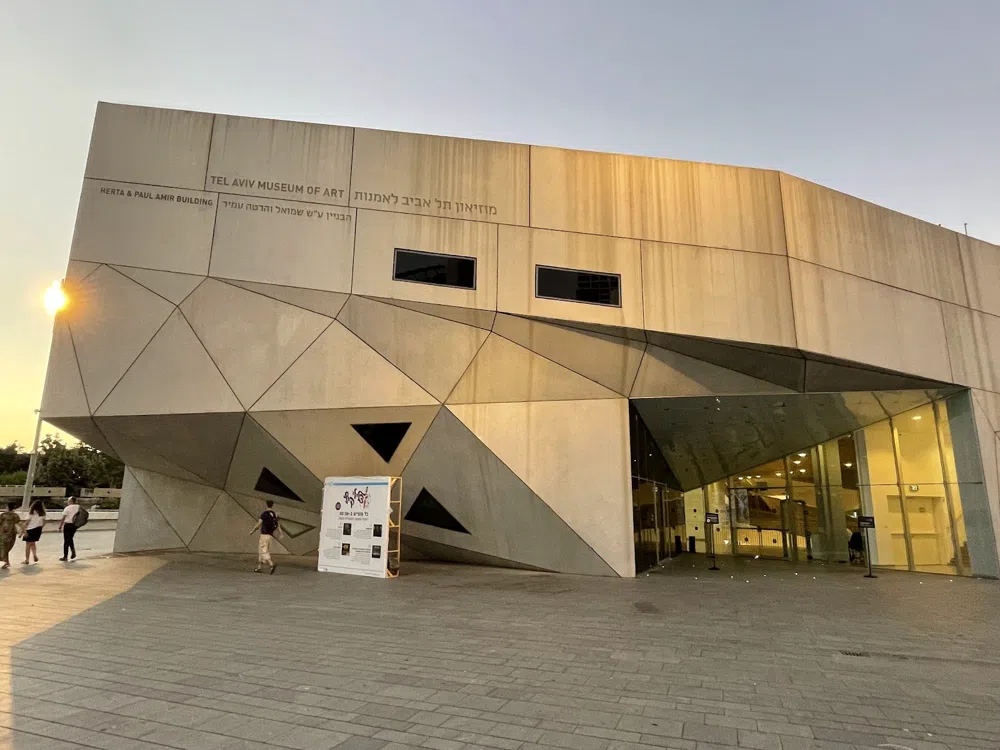
Tel Aviv Museum of Art
Sderot Sha'ul HaMelech
A world-class modern art museum housed in a striking, angular building designed by Preston Scott Cohen.
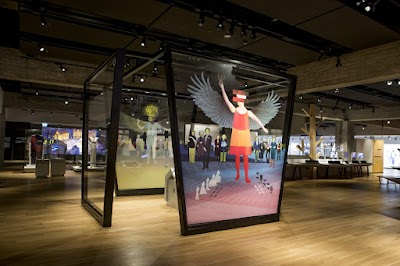
ANU - Museum of the Jewish People
Tel Aviv University
A state-of-the-art interactive museum tracing the diverse history, culture, and identity of Jewish communities globally.
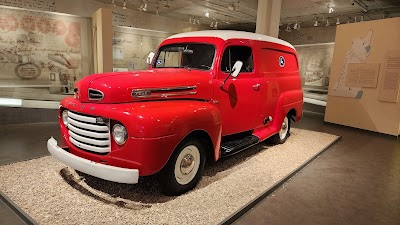
Eretz Israel Museum
Ramat Aviv
A multidisciplinary museum focusing on local history, archaeology, and traditional crafts, set in an active archaeological park.
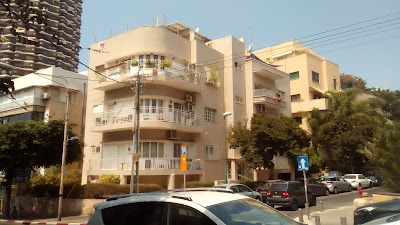
The White City
Dizengoff
A UNESCO-listed collection of over 4,000 modernist Bauhaus buildings constructed in the 1930s and 1940s.
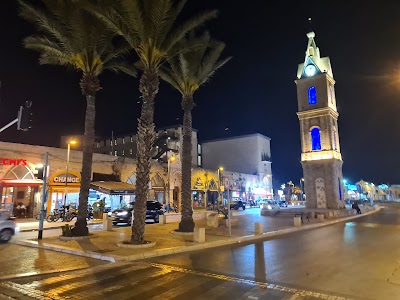
Old Jaffa Clock Tower & Alleys
Jaffa
An Ottoman-era stone clock tower leading into a labyrinth of historic stone pathways and galleries.
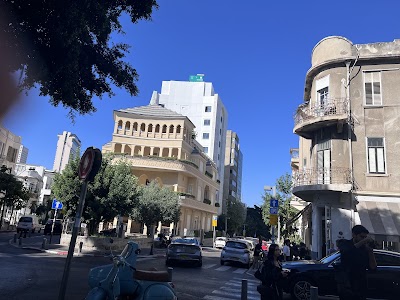
Pagoda House
King Albert Square
An eclectic 1920s architectural landmark blending oriental, western, and modernist design elements.
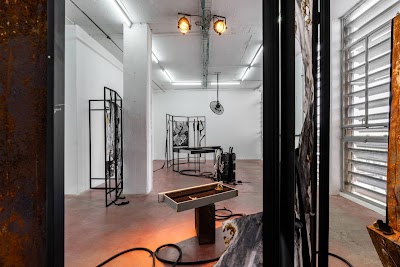
Sommer Contemporary Art
Rothschild
A leading gallery showcasing influential contemporary artists, fostering dialogue between local and international creators.
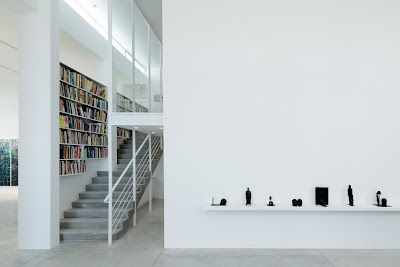
Gordon Gallery
Hazamir
A historic gallery representing prominent local modernists and contemporary sculptors.
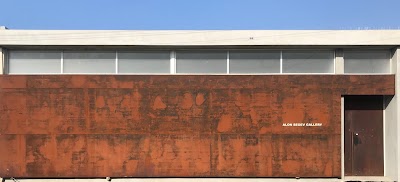
Alon Segev Gallery
Rothschild
A sleek, modern space focusing on cutting-edge contemporary painting and sculpture.
Book ahead
Top-rated experiences in Tel Aviv

Walking Tour of Akko (Half-day)
from $422

Neve Tzedek with Tomer
from $299

Private Bike Tour of Tel Aviv with Yalla Bikes
from $80

Bike the Holy Land with Yoav Lavi, Bike Guide for all levels and a Photographer
from $550

Israel Holy Land Christian Tour Package 7 days - Private Tour Package
from $4300

Biblical tours
from $1200

Fully Inclusive Private Customized Israel Tour
from $1000

Jerusalem & Dead Sea Private Tour - Visit Holy Jerusalem & Dead Sea Relaxation
from $220
Prices from Viator; we may earn a commission when you book — at no extra cost to you. Tours are sold and operated by Viator, the merchant of record. Ratings are collected by Viator and Tripadvisor.
Timing
When to visit
Spring
March to May brings mild temperatures and blooming wildflowers. The beaches open for the season, and outdoor cafe culture is at its peak.
Summer
June to August is intensely hot and humid. The city moves indoors or directly to the water, with beaches crowded until after sunset.
Autumn
September to November sees the summer heat break, though the sea remains warm enough for swimming. Be aware of major Jewish holidays, which can close businesses for days.
Winter
December to February is cool and sees occasional heavy downpours. It is the quietest time for tourism, offering lower lodging rates.
What it costs
Budgeting
Logistics
Getting around
From the airport
Ben Gurion Airport (TLV) is connected to central Tel Aviv by a direct train line that runs to Savidor Central and HaShalom stations. Taxis are available at the regulated rank outside the terminal, operating on a fixed rate or meter.
Public transit
The city is served by an extensive bus network and the Red Line light rail. Shared minibuses called Sheruts run along major avenues and operate on weekends when standard public transit stops.
Passes & tickets
The Rav-Kav smart card is required for all public transit. You can load it with a daily pass (anonymous cards cost a small fee in the € band) via the Rav-Kav app or at light rail stations.
On foot
The city is flat and highly walkable. Dedicated bike lanes run along major boulevards and the entire beach promenade, making rental e-scooters a popular local transit choice.
Travel smart
Safety & etiquette
Local etiquette
- •Tipping is standard at 10% to 15% in restaurants and bars; it is rarely included in the bill.
- •Dress codes are highly casual; shorts and t-shirts are acceptable almost anywhere, including high-end restaurants.
- •Respect the Shabbat. While Tel Aviv is highly secular, many shops and almost all public transport close from Friday afternoon to Saturday evening.
- •When visiting religious neighborhoods or holy sites (especially on day trips to Jerusalem), dress modestly by covering shoulders and knees.
From the ground
Practical tips
1
Download the Rav-Kav app or purchase a physical card at the airport to pay for all public transit, as cash is not accepted on buses.
2
Use the Gett app to hail taxis; it ensures you pay by the meter and avoids fare negotiations.
3
Avoid driving a car in the city center; parking is notoriously difficult to find and traffic is heavy. Use e-scooters or bikes instead.
4
Stock up on groceries and cash by Friday afternoon, as many local businesses close early for Shabbat.
5
Always ask for the meter ('moneh') to be turned on when taking a taxi if you are not using an app.
6
Look for lunch specials ('eski') at mid-range restaurants, which often offer a main dish and starter for the price of the main.
Tel Aviv FAQs
Is Tel Aviv safe to visit?
Yes, street crime is remarkably low, though visitors should remain aware of the broader geopolitical context and follow local safety directives.
How do I get around during Shabbat?
Use shared taxis (Sheruts), private taxis via apps like Gett, or municipal weekend buses, as trains and standard buses do not run.
Do I need to know Hebrew to get by?
No, English is widely spoken across the city, and most signs and menus are trilingual (Hebrew, Arabic, English).
Is Tel Aviv expensive?
Yes, it is one of the more expensive cities in the region, particularly for accommodation and alcohol, though street food remains affordable.
Can I swim in the sea year-round?
Yes, though locals generally only swim from May to October; winter waters can be chilly but are popular with surfers.