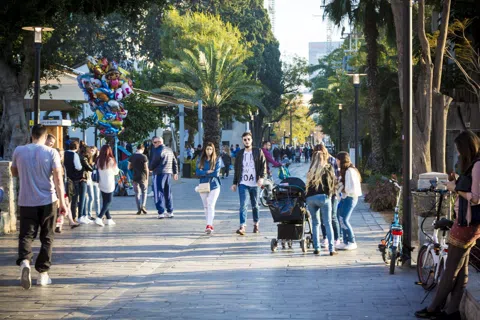
The Tel Aviv issue
The White City: Walking Tel Aviv's Bauhaus Streets
A calm, on-foot reading of the world's largest concentration of International-Style architecture — where to start, what to go inside, and where to sleep within the conservation zone.

By Inês MarquesWalking the White City, Jaffa and everything in between
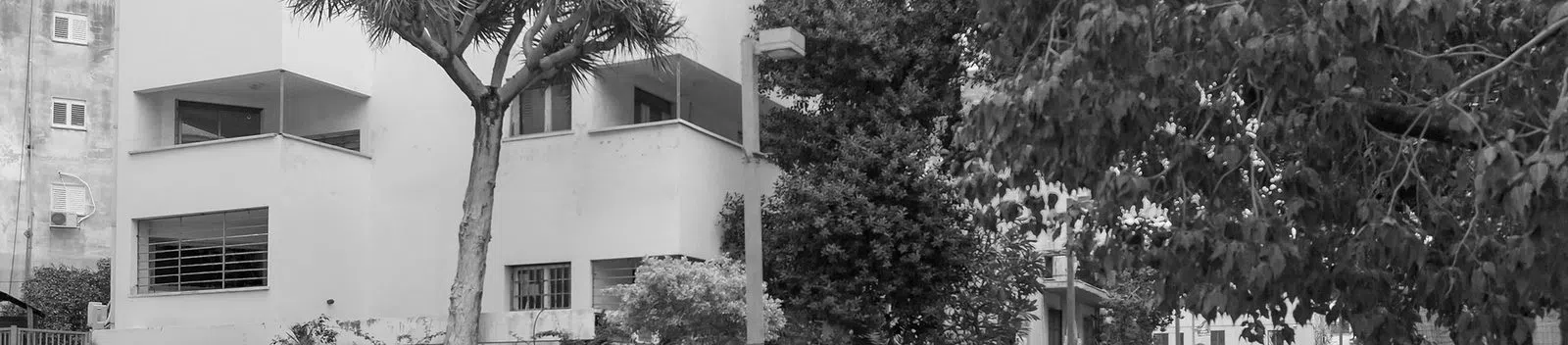
The White City is not white, not really. Its four thousand or so International-Style buildings have weathered eighty years of sea salt and hard sun into a hundred shades of cream, grey and sand, and the ones that gleam are simply the ones that have been restored. Walk Tel Aviv slowly, in the flat morning light before the heat settles over the boulevards, and the district reveals itself less as a museum than as an ordinary neighbourhood that happens to carry a UNESCO listing on its shoulders — laundry on the balconies, cats on the low garden walls, a bakery under a curved concrete canopy that a Berlin-trained architect drew in 1935.
This is a guide to reading it on foot, at the pace the buildings were designed to be seen. Everything below I have walked, in the order that makes the district legible rather than the order a map might suggest. Give it a full morning at minimum; give it two if you want to go inside.
Start where the maps are
Begin at the Bauhaus Center Tel Aviv (Dizengoff Street, central White City). It is the natural first stop for a reason: you leave with a proper map, a sense of what you are looking at, and — if you care about the subject at all — an armful of books from what is comfortably the best architecture shop in the district. Entry to the gallery and shop is free. The seven-language self-guided audio guide runs about ₪25 and is the honest way to walk the streets at your own speed; hire it here and set off in whichever direction the light is kindest.
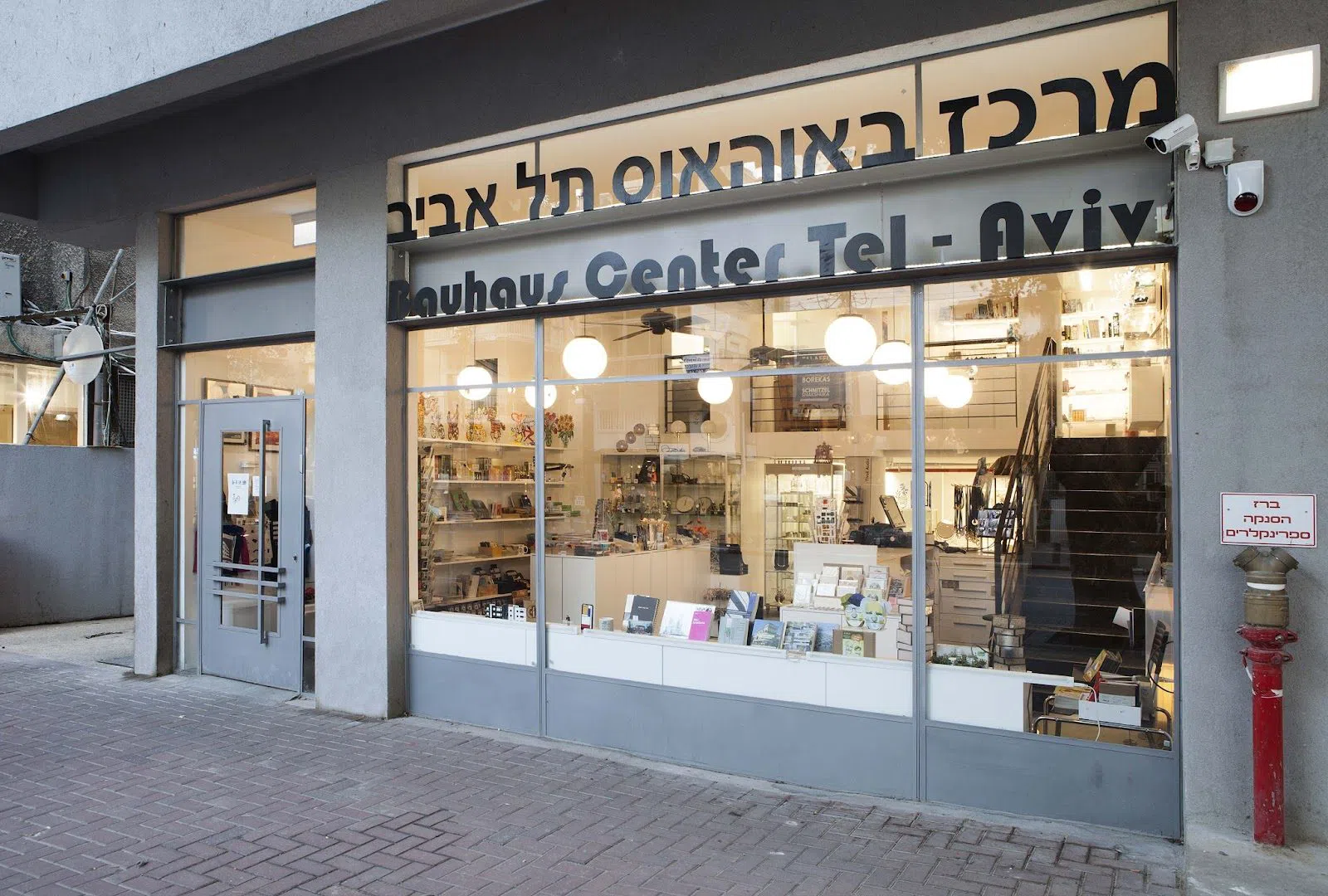
A word of practical caution. The Center's scheduled public guided tours are suspended for now, and it keeps reduced hours, so telephone before you build a morning around it. Private guided group tours, in several languages, are still arranged in advance — worth doing if you are a small party who wants the detail and the door codes to courtyards you would otherwise walk past.
If you would rather be led and pay nothing, the Tel Aviv Municipal Free White City Walking Tour (meets at 46 Rothschild Boulevard) is the city's own two-hour tour, in English, departing Saturday at 11:00. It is a distinct operation from the Bauhaus Center, purpose-built for walk-up groups of any size, and it remains the best no-cost introduction in the city. Turn up ten minutes early; the group forms on the boulevard median, in the shade of the ficus trees.
Plan your Tel Aviv trip
Live prices from our booking partners.
Free cancellation on many rooms. We may earn a commission when you book.
Walking the spine: Rothschild Boulevard
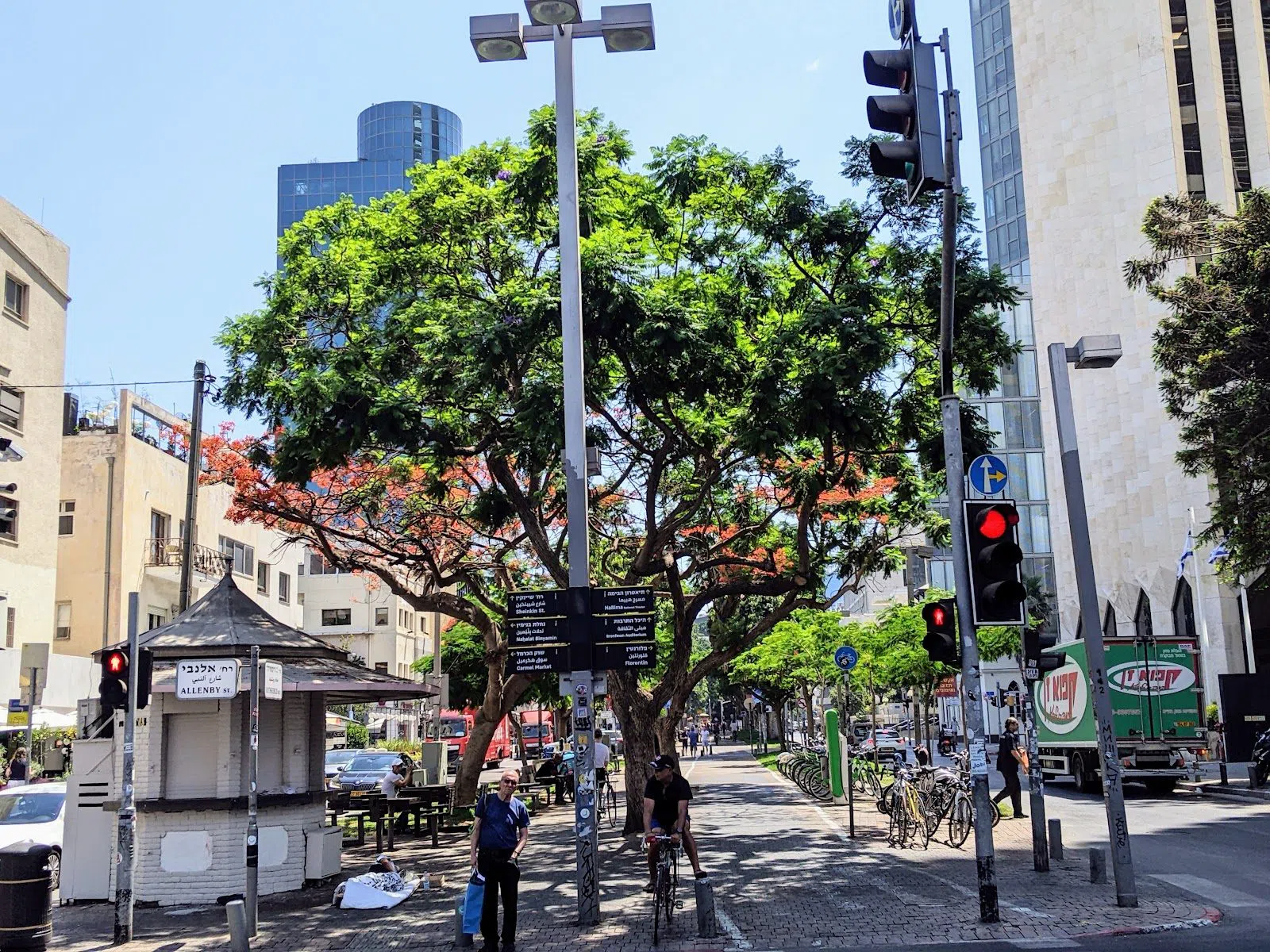
Everything in the White City hangs off one street, and that street is Rothschild Boulevard (Lev Ha'ir, the old city centre). It is free, it is flat, and its wide planted median — benches, kiosks, a bicycle lane, cafés spaced exactly as far apart as your resolve will allow — makes it the easiest self-guided architecture walk in the country. Most of the buildings that matter line this route, including Engel House, the pilotis-raised block that taught the city to lift its residences off the ground and let the sea breeze pass beneath. Walk the median slowly and read the buildings on both flanks; the boulevard suits a solo wanderer and a group of twenty equally well.
A short detour off the spine takes you to the Bruno House, better known as the Thermometer House (central White City, exterior only). Stand across the street and look up at the tall, narrow strip window that climbs the stairwell like the column of a thermometer — a piece of climate engineering dressed as ornament, pulling hot air up and out of the building. It is a photo stop and nothing more; there is no interior to visit, and it costs nothing but the minute it takes to understand what you are seeing. Nearly every guided walk pauses here, and you will see why.
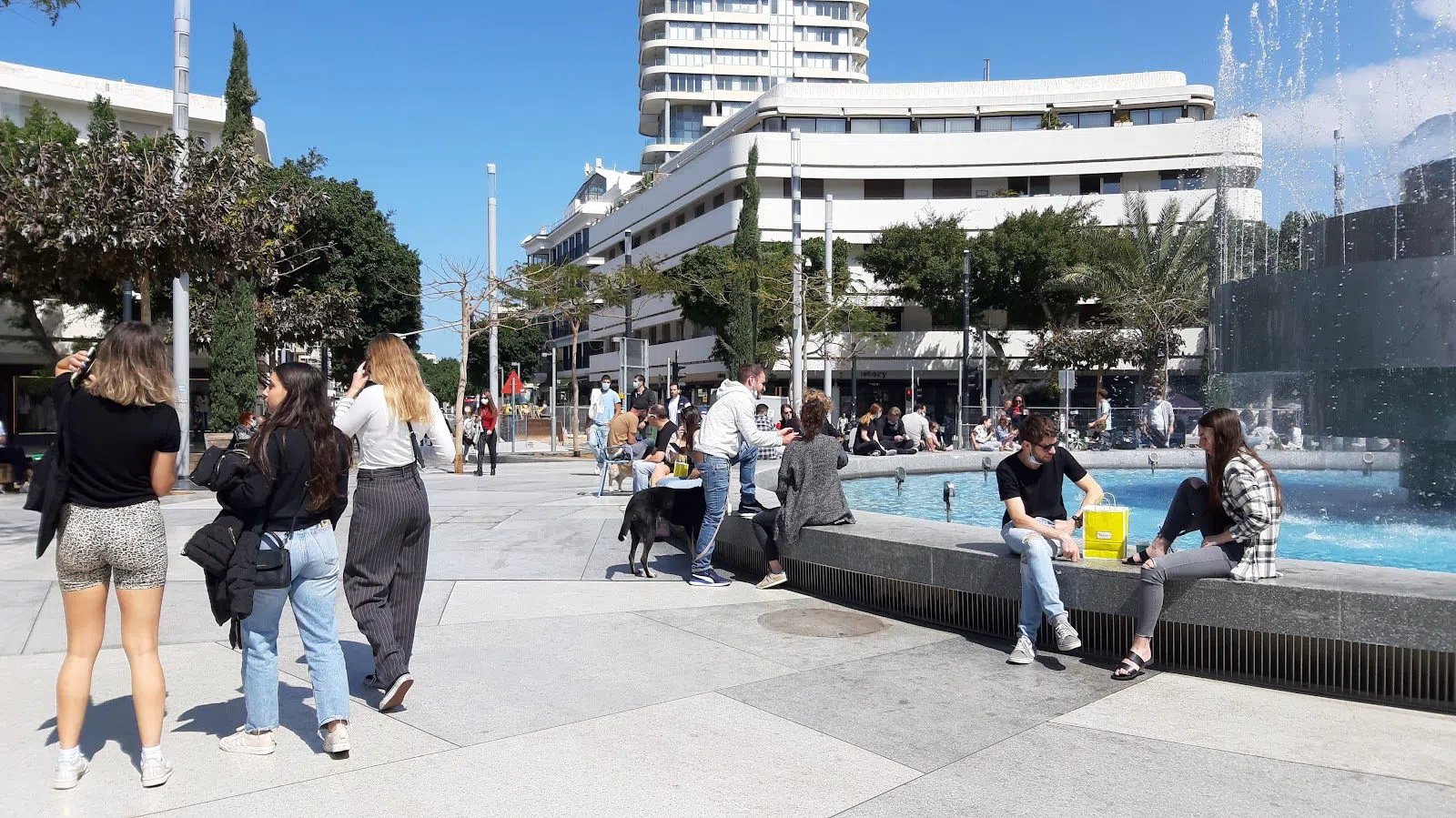
Follow Dizengoff Street north and the boulevard's logic resolves at Dizengoff Square, formally the Zina Dizengoff Circle (Dizengoff Street). Restored to street level in 2018 after decades marooned on a raised concrete deck, it is once again the calm hub the 1930s planners intended — a shallow ring of streamlined, ship-curved façades around a fountain. It is open public space, free, and as fine at night as by day; bring any size of group. The great cream curve on its western edge belongs to a hotel, which is where the next part of this walk begins.
The buildings you actually go inside
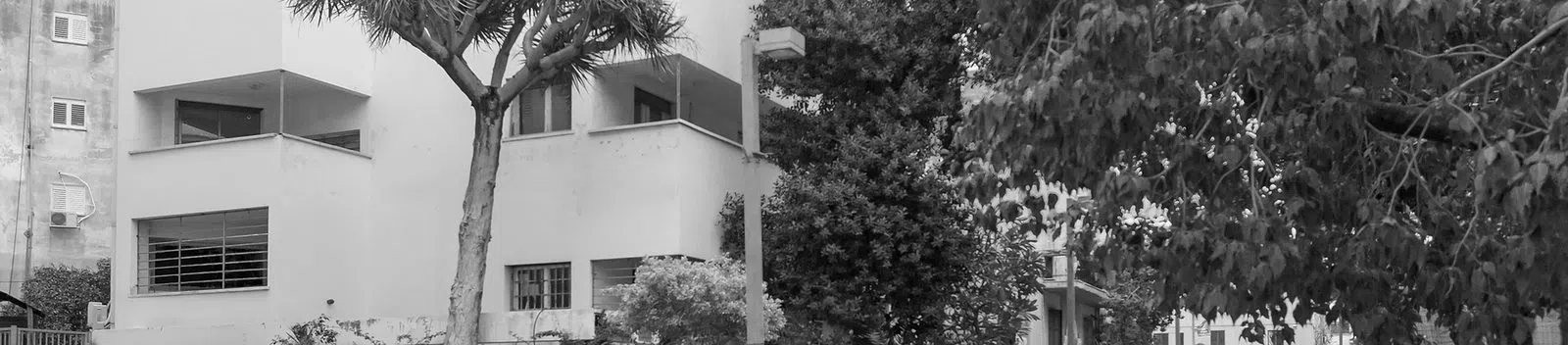
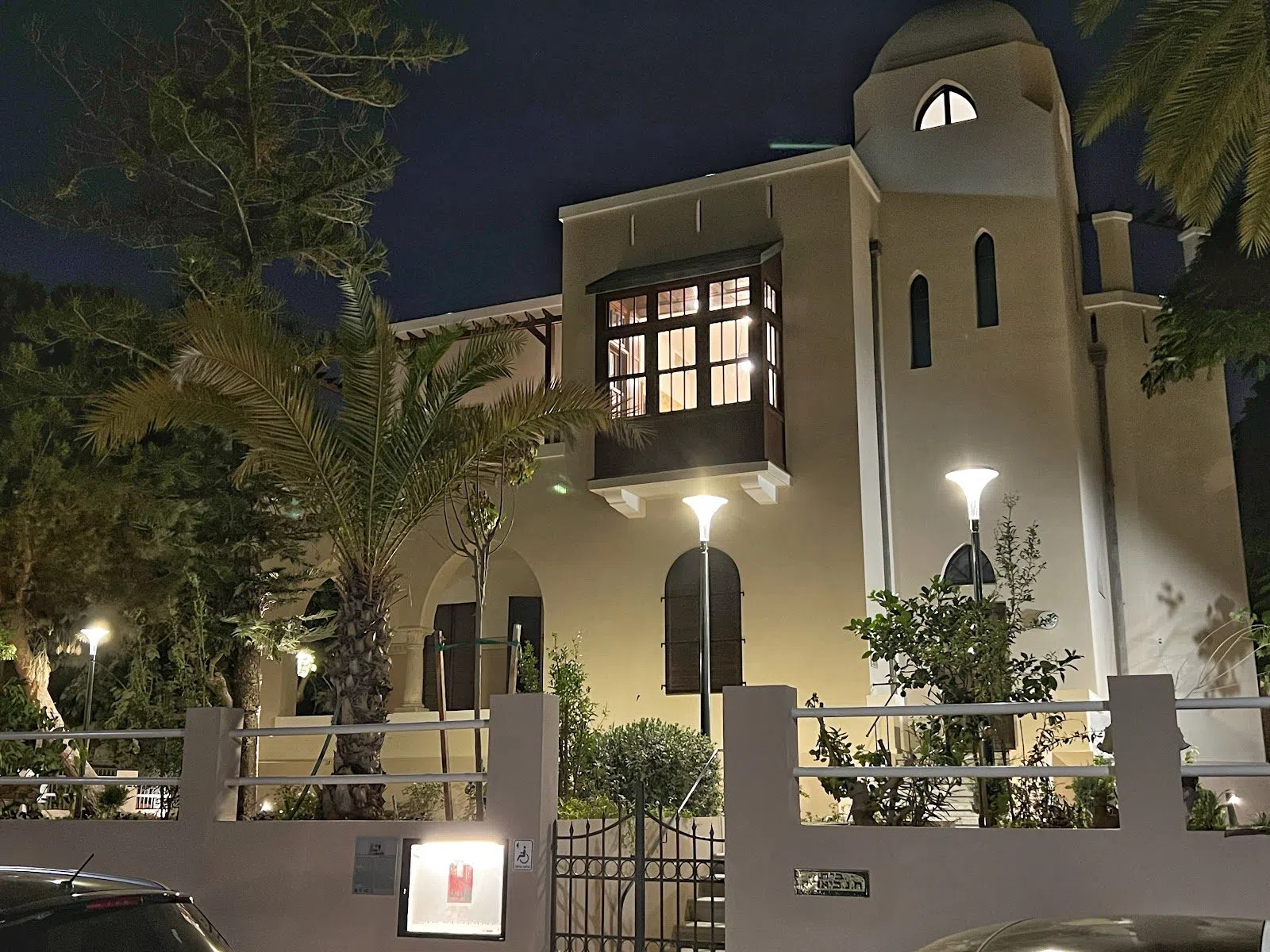
Most of the White City is admired from the pavement. The single best exception — the one building I would send anyone into if they had time for only one — is the Liebling Haus – White City Center (near Dizengoff, on Idelson Street). Entry is free. It is a German–Israeli heritage centre housed in a restored 1936 residence, and inside you finally see the thing the exteriors only imply: how a European modernism drawn for cold northern light was quietly rewired for a Mediterranean one. Deep balconies for shade, small windows on the sun side, flat roofs meant to be lived on. There are rotating exhibitions, a courtyard café that is a genuine rest rather than a gift-shop afterthought, and a workshop programme built for visitors. Come Sunday to Thursday, or on a Saturday morning; it is closed otherwise. Groups are welcome and the layout absorbs them without strain.
The Bialik Square cluster
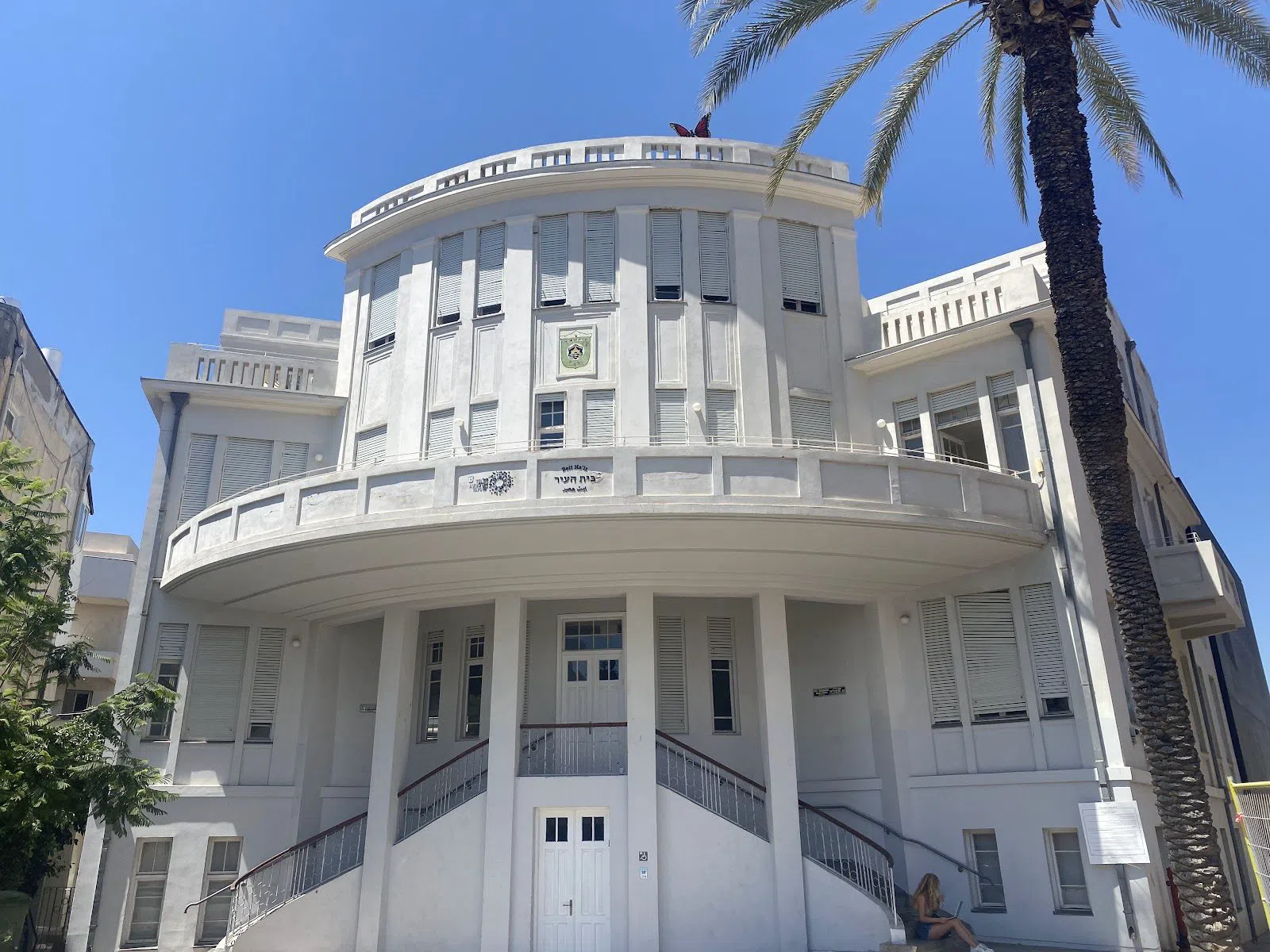
A few minutes inland, the streets tighten and the trees close over, and you reach Bialik Square — an older, pre-Bauhaus conservation pocket that rewards a mid-walk pause. The Beit Ha'ir History Museum (Bialik Square) anchors it. Admission is around ₪30 (roughly $8). The building itself predates the International-Style wave — it was the city's first town hall — but its exhibits are precisely what a walker needs at the halfway mark: the story of how a garden suburb of a few streets became the dense white district you have been photographing all morning. It welcomes groups comfortably.
A few doors up sits the Bialik House Museum (Bialik Street), around ₪20 (about $6). This was the home of the national poet, and it is not Bauhaus at all — it is ornamented, romantic, eclectic, everything the International Style set out to strip away. Which is exactly why it belongs on this walk: standing in its painted rooms, you understand what the young modernists were reacting against a decade later, a few streets over. The rooms are small and intimate, so it rewards modest numbers rather than a coach party; a couple or a handful of friends will get the most from it.
Sleeping inside a listed building
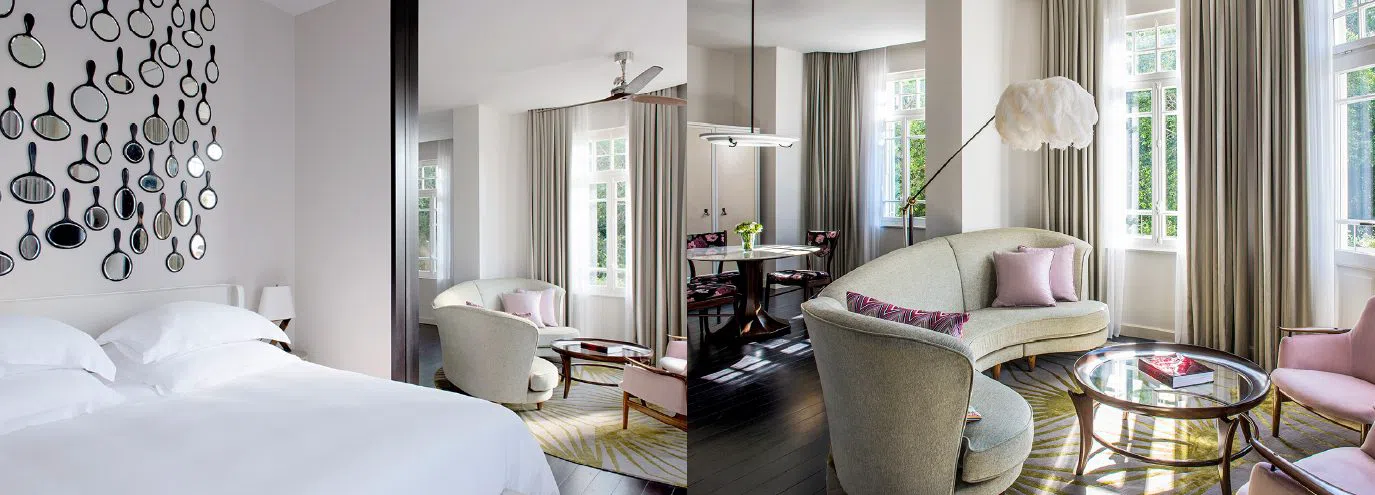
One of the quiet pleasures of the White City is that you can stay the night inside its architecture, and three restored buildings let you do it at three very different price points. If you would rather compare across the whole district before committing, the full Tel Aviv hotel search is the place to start; what follows are the three that put you inside the conservation story itself.
The Cinema Hotel (Dizengoff Square) is the obvious romantic choice, and it earns it. Rooms start around $180 a night. It is the district's most famous piece of adaptive reuse — a 1930s cinema turned hotel, wrapped in the curved white façade that frames the square — and sleeping in it means waking up on the restored circle itself. Small groups can book rooms or simply take lobby drinks among the old cinema fittings; it is a hotel, not a tour operator, so treat it as a place to stay rather than a place to be shown around.
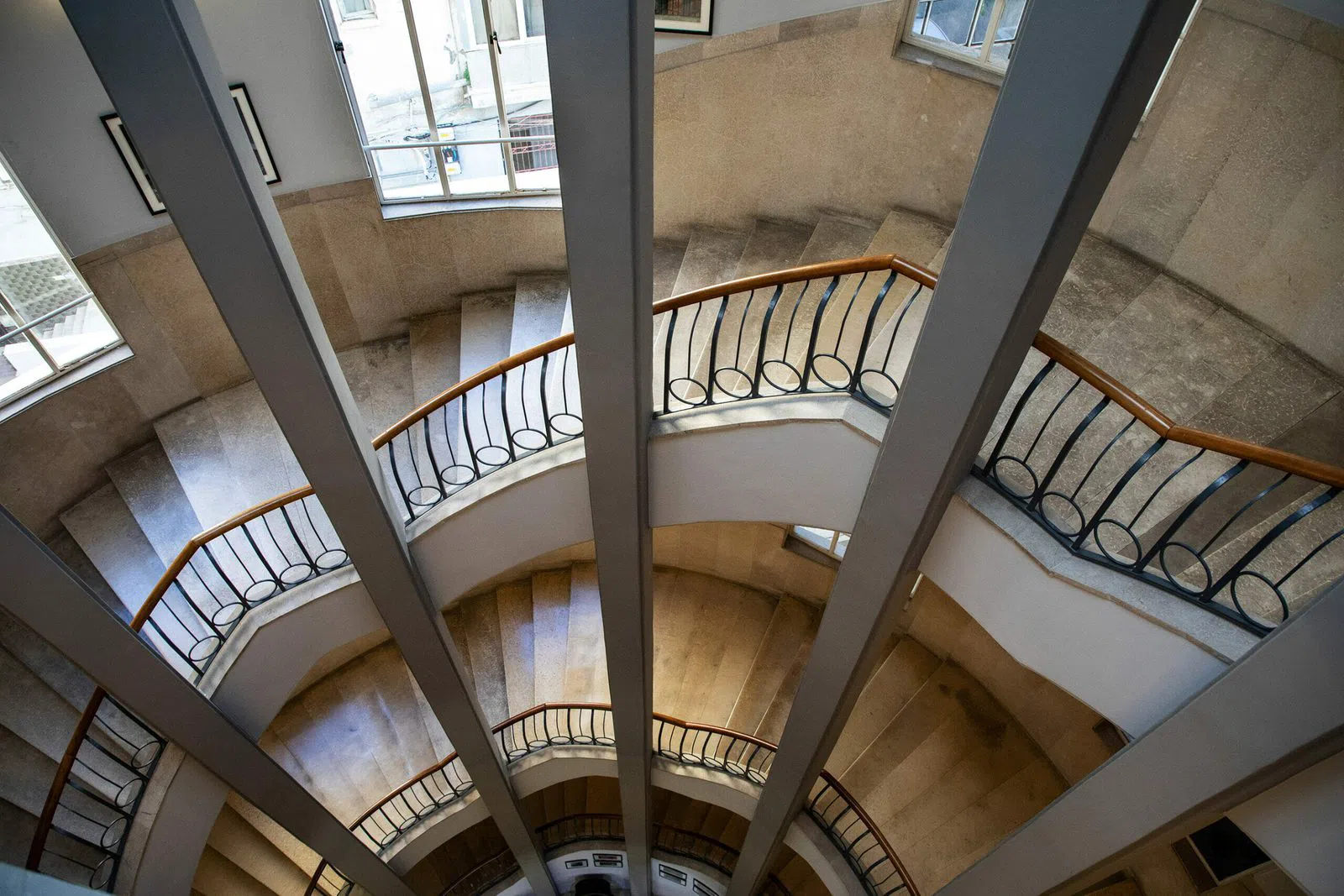
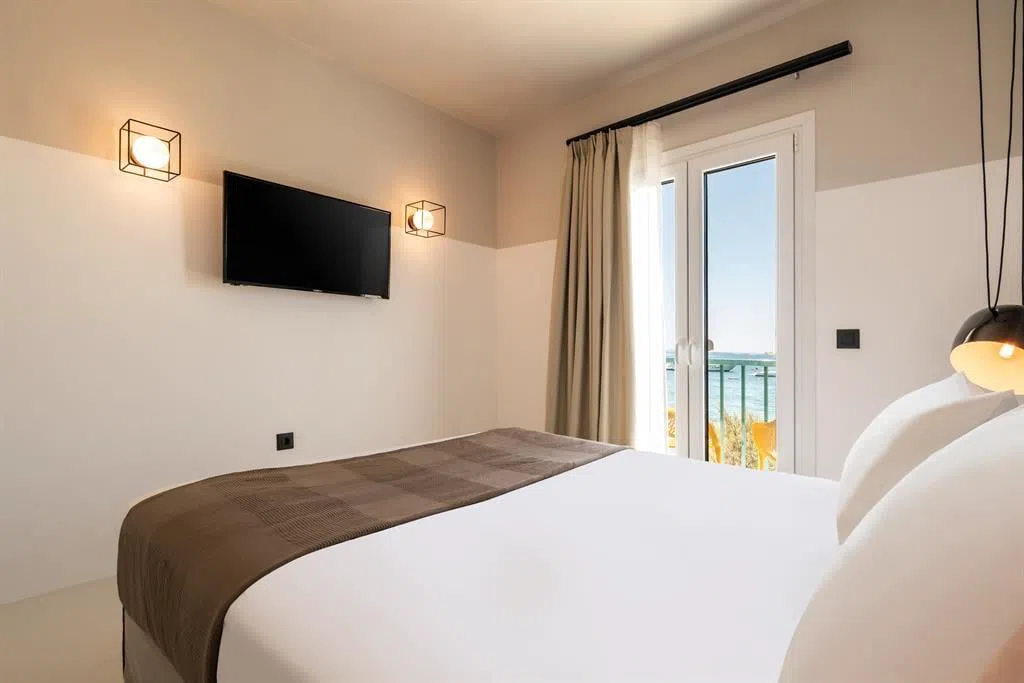
For a more design-forward crowd, the Poli House (near Magen David Square, at the Nachalat Binyamin end) starts around $220 a night. It is a genuine 1934 International-Style corner block whose interior was reworked by the designer Karim Rashid into something deliberately loud — a divisive move, but an honest one, and the rooftop pool and bar are the real reason people book. It is group-friendly and the rooftop is frankly buzzy, so choose it for a stylish party and not for a silent retreat.
At the top end, The Norman Tel Aviv (Nachmani Street, inside the conservation zone) opens around $450 a night. It is the most refined way to sleep within the protected district — impeccably restored, with its own culture programming and a genuine interest in the White City's story — though in fairness its two heritage buildings are of the slightly earlier, more eclectic era rather than pure Bauhaus. It suits a small, refined party; it is not a mass-tour operation, and it does not pretend to be.
Practical notes
Timing. Walk in the morning. The buildings face the light differently through the day, but the heat, not the light, is what will decide how long you last — from late spring to autumn, be on the boulevard by nine and off it by one. The free municipal tour's Saturday 11:00 slot is the exception worth planning around.
Getting around. The core is genuinely walkable end to end; from Rothschild to Bialik Square to Dizengoff Square is under an hour of slow strolling. The city's shared e-bikes and scooters cover the gaps, and a north–south light-rail line handles longer hops. You will not need a taxi inside the district.
Cash and cards. Cards work everywhere — museums, cafés, hotels — so you rarely need paper shekels, but keep a small amount for a kiosk coffee or the audio-guide deposit. Museum entries here are modest: budget roughly ₪20–30 (about $6–8) each for Beit Ha'ir and Bialik House, plus the ₪25 audio guide if you self-guide.
Budget shape. A serious day costs almost nothing but your feet: the boulevard, Bruno House, Dizengoff Square, Liebling Haus and the municipal tour are all free, leaving only two small museum tickets and, if you want it, the audio guide. The spend is entirely in where you sleep — from around $180 at the Cinema Hotel to $450 at The Norman — so the honest advice is to walk cheaply and, if the district has got under your skin, splurge on a night inside one of its buildings.
Access and courtesy. Several interiors are small former houses with steps and narrow stairs; if that matters, call ahead. And remember most of what you are looking at is simply where people live — admire the façades, but the courtyards behind them are private unless a guide has the key.
For restaurants, beaches, neighbourhoods and the rest of the city beyond the architecture, the wider Tel Aviv guide carries it. But the White City is best taken on its own terms, one slow morning, on foot.
Before you go
Where should I start a White City walk in Tel Aviv?
Start at the Bauhaus Center Tel Aviv on Dizengoff Street for maps, context and a seven-language self-guided audio guide (about ₪25). Call ahead — it keeps reduced hours and its scheduled public guided tours are suspended for now. If you prefer a led introduction, the free Municipal White City Walking Tour meets Saturday at 11:00 at 46 Rothschild Boulevard.
Is there a free White City walking tour?
Yes. The Tel Aviv Municipal Free White City Walking Tour is the city's own two-hour tour in English, departing Saturday at 11:00 from 46 Rothschild Boulevard. It is free, purpose-built for walk-up groups of any size, and runs separately from the Bauhaus Center. Beyond it, Rothschild Boulevard, Bruno House and Dizengoff Square cost nothing to see.
Which Bauhaus building can you actually go inside?
The Liebling Haus – White City Center, near Dizengoff on Idelson Street, is the best interior to visit and entry is free. It shows how European modernism was adapted to the Mediterranean climate, with rotating exhibitions and a courtyard café. It opens Sunday to Thursday and Saturday mornings, and it is closed the rest of the week, so plan around those days.
Can you stay in a Bauhaus building in the White City?
Yes — three restored buildings let you sleep inside the conservation zone. The Cinema Hotel on Dizengoff Square starts around $180 a night, the design-led Poli House with its rooftop pool starts around $220, and the top-end Norman Tel Aviv starts around $450. Compare the full district first via the Tel Aviv hotel search.
How much time and money does the White City walk need?
Give it a full morning, or two days if you want to go inside the museums. Most of the route is free; you only pay for two small museum tickets — roughly ₪20–30 (about $6–8) each at Beit Ha'ir and Bialik House — plus the optional audio guide. Cards work everywhere, so carry only a little cash for a kiosk coffee or a deposit.