The Tel Aviv issue
Planning a Tel Aviv Weekend Around Friday and Shabbat
Friday morning is the only morning the markets give you, and Saturday belongs to the sea, the museums and Jaffa. Below, the two days hour by hour, on foot.
By Inês MarquesWalking the White City, Jaffa and everything in between
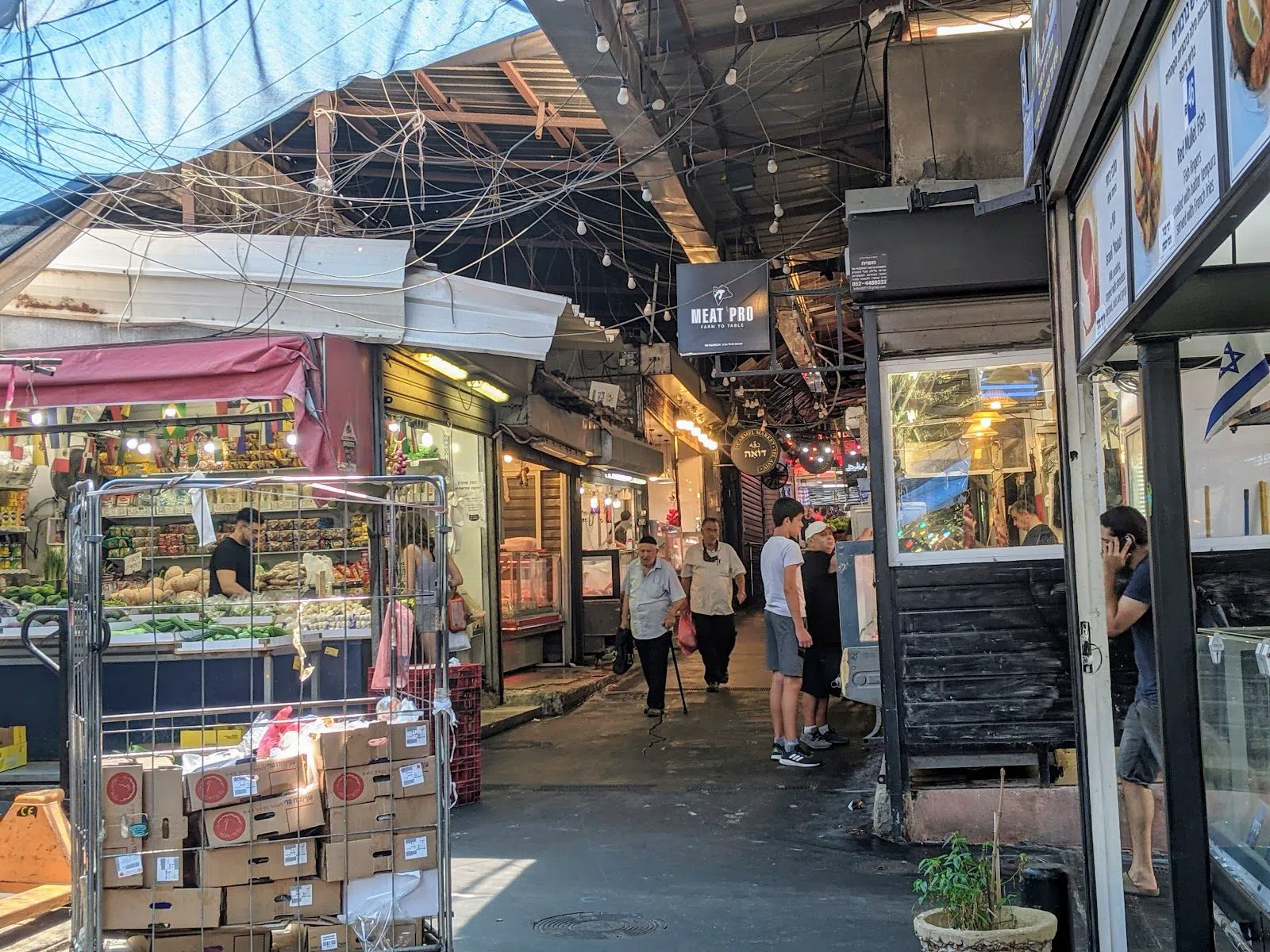
By nine on a Friday morning the lane through Shuk HaCarmel is single file, and the shouting from the fruit stalls carries an end-of-week urgency that will not return until Sunday. By four the same lane is shuttered, the buses have stopped, and the city has gone indoors. Tel Aviv does not close for the weekend so much as change shape twice inside twenty-four hours, and a two-day trip works or fails on whether you know when each shift happens.
Friday morning is the only morning you get
Anything with a shutter opens early on Friday and is down by mid-afternoon. Treat Friday morning as the working half of your weekend and do not save anything for later, because there is no later.
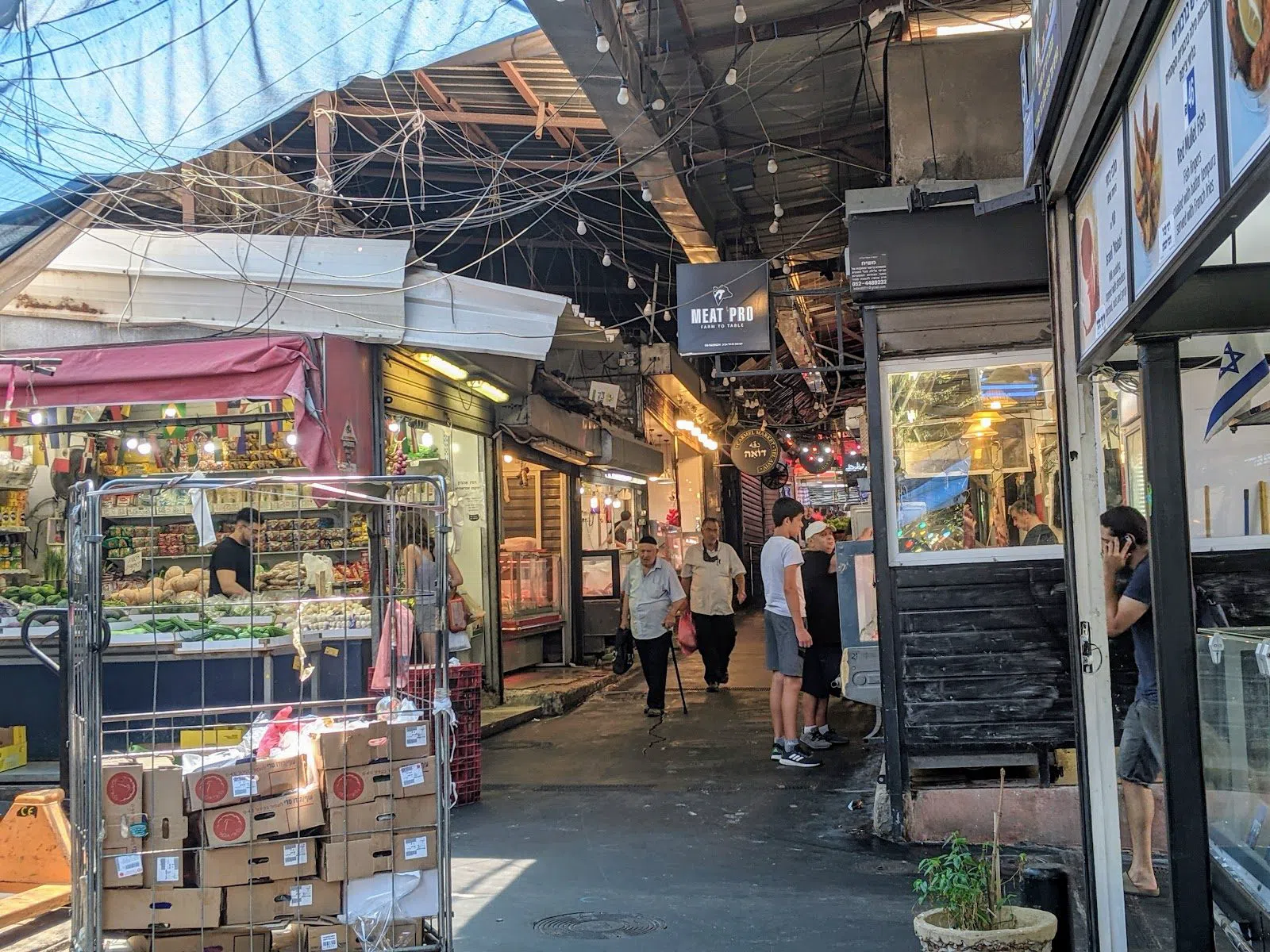
Start at Carmel Market (Shuk HaCarmel), which runs down from the top of Allenby into the Kerem HaTeimanim lanes. It is free to walk and snacks run ₪15–45, and on Friday it is the clearest picture you will get of the pre-Shabbat rush: whole households buying for two days at once, sellers shifting stock they cannot hold over. There is no door policy and no booking, but keep your group tight, because the lane is genuinely single-file busy and a loose group of six turns into a blockage. The hard part is the clock. It closes somewhere between three and four in the afternoon, earlier in winter, and it does not open at all on Saturday. This is a Friday stop or it is nothing.
From the bottom end, walk about ten minutes south and you arrive at Levinsky Market on the Florentin edge, a spice street rather than a produce market and much quieter for it. Bourekas and stuffed vegetables run ₪12–40, nothing is bookable, and it suits two to four people browsing at a wander; larger groups tend to come through on organised food tours, which pass regularly. The constraint is the same and slightly tighter: be there by nine, because most stalls are down by one or two, and Saturday is shut.
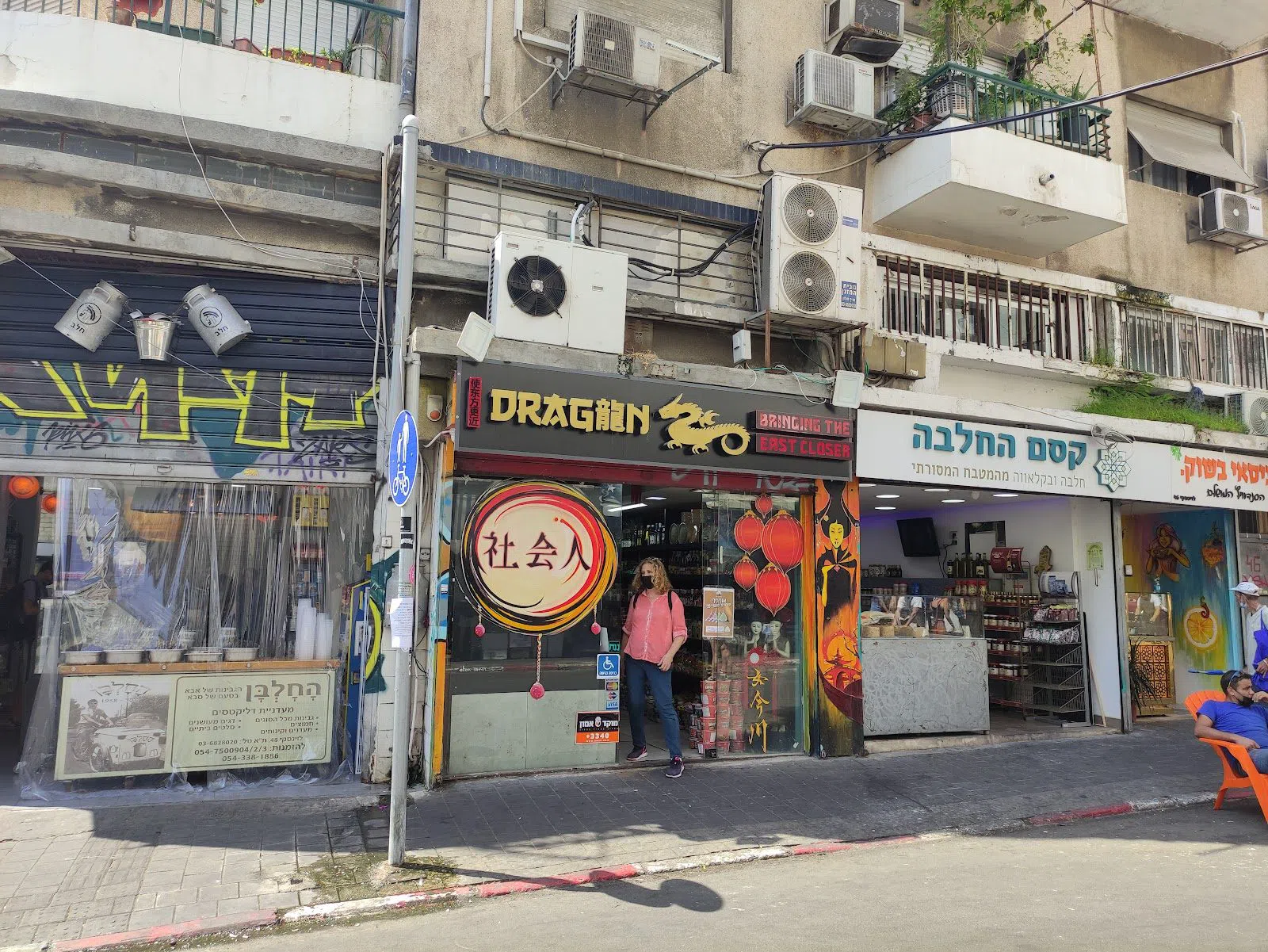
Hummus is also a morning matter here. Abu Hassan (Ali Karavan) in Jaffa has been serving since 1959 and still keeps counter hours: Sunday to Friday, roughly 7:45am to 2:45pm, closed all day Saturday, and it stops the moment the day's hummus runs out. A plate is ₪25–40. There are no reservations and the room is small, so more than four of you should expect to split tables or stand. If you want it this weekend, it goes in the Friday morning slot alongside the markets, not after them.
Plan your Tel Aviv trip
Live prices from our booking partners.
Free cancellation on many rooms. We may earn a commission when you book.
Where the markets hand you over
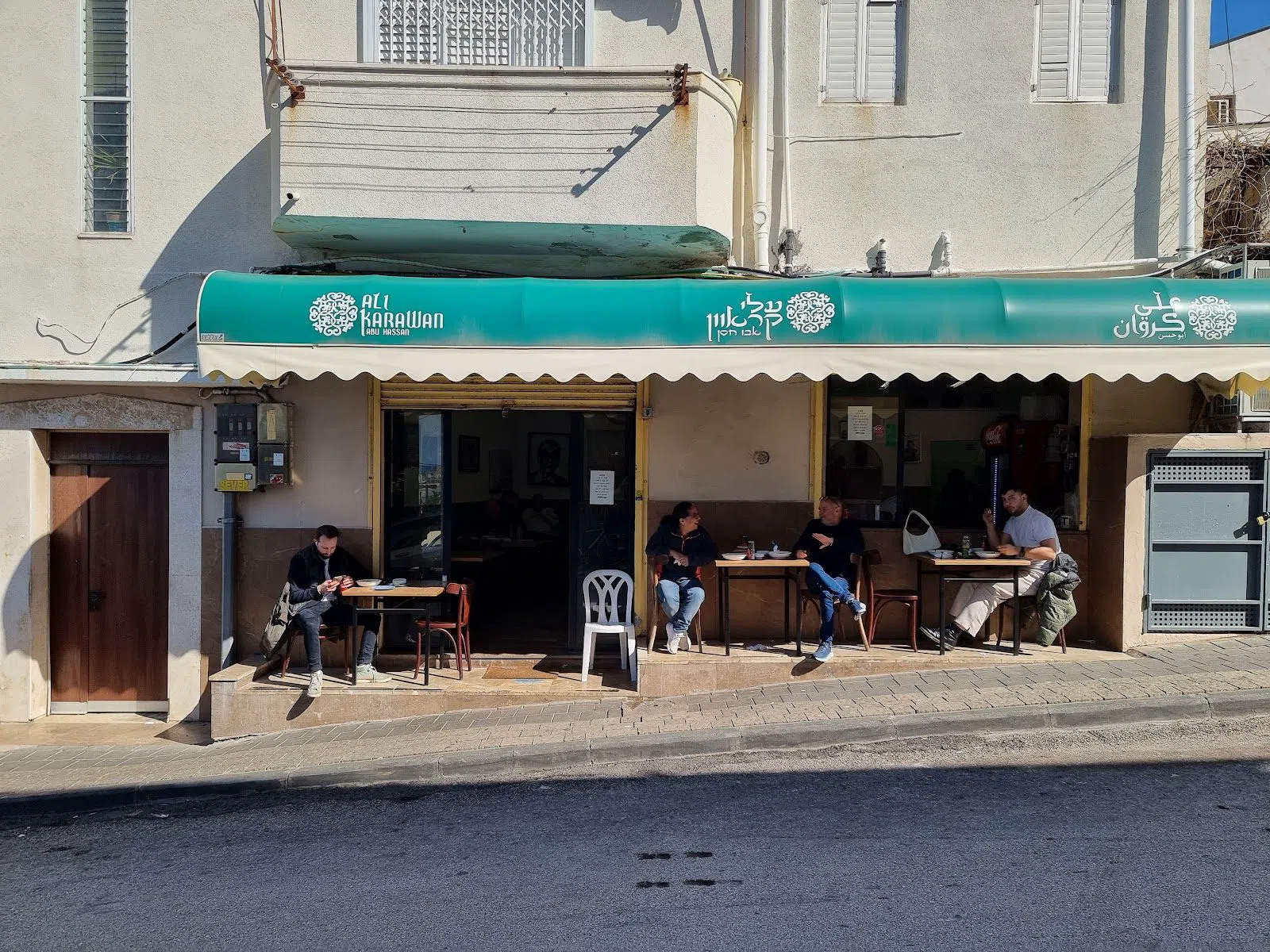
At ten on Friday morning, while the market lanes are starting to thin, the Bauhaus Center Tel Aviv at Dizengoff 77 sends out its English guided walk through the White City. The tour is roughly ₪90–130, an audio guide is cheaper, and the shop itself costs nothing to browse. Walk-ups are taken; private group tours can be booked in advance in seven languages. Confirm the departure time when you book, because the schedule moves with the season.
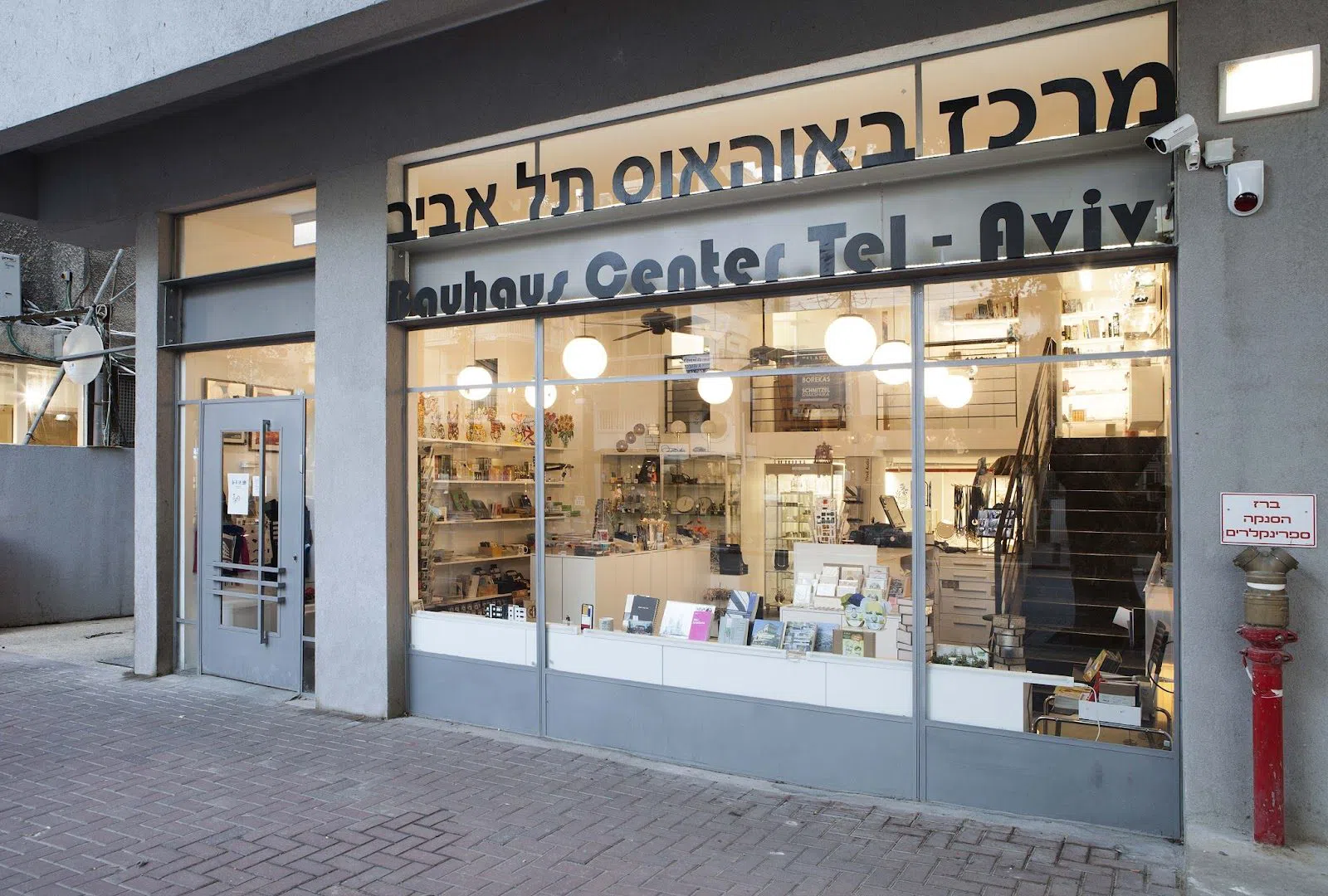
That ten o'clock start collides with the markets, and you cannot do both properly. Either you do the markets from eight and skip the tour, or you take the tour and reach Carmel Market at half past eleven, when it is still busy but past its peak. The route I use most often is markets first, tour second, on the grounds that the market only exists for those few hours and the buildings will still be standing on Saturday. On Saturday the Bauhaus Center shop is open with audio guides, so you can walk the same streets yourself at your own pace.
The dead hours nobody warns you about
Friday between two and six is the strangest stretch of the week. Kitchens are closing, the market is shut, public transport winds down, and a lot of visitors spend it sitting in a hotel room wondering whether they mistimed the trip.
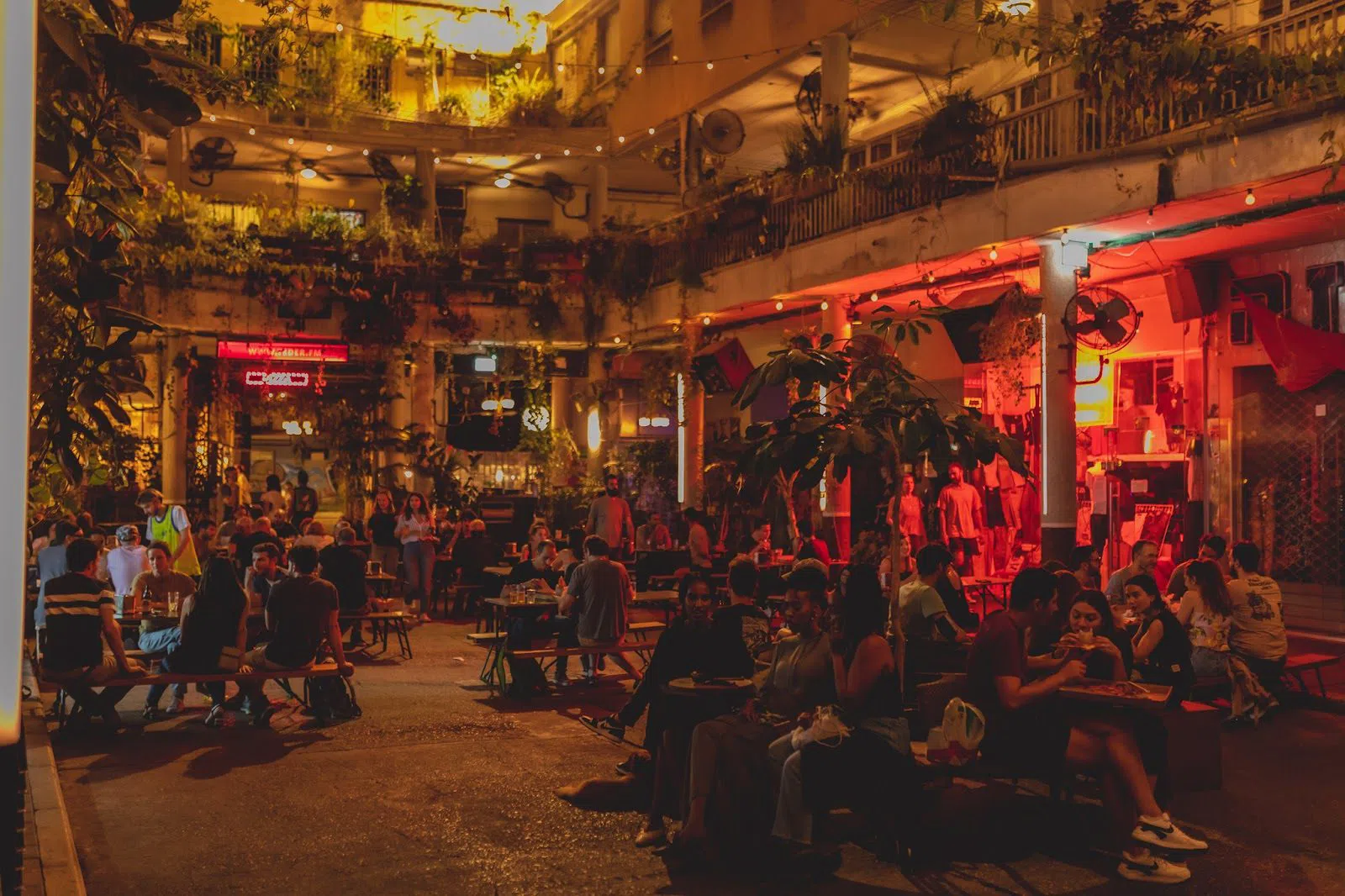
The answer is Teder.fm, a courtyard bar and radio space south of Rothschild, which does the opposite of everything around it: on Friday and Saturday it opens at midday rather than six in the evening. Entry is free to ₪50 depending on the night, beer is ₪28–36 and pizza ₪50–70. There is no table service formality and no bookings, which makes it the easiest place in the city to arrive as a group of strangers or attach yourself to one. It drifts from a daytime hangout into a proper party without anyone announcing the change, so the afternoon you thought you were killing tends to become the evening.
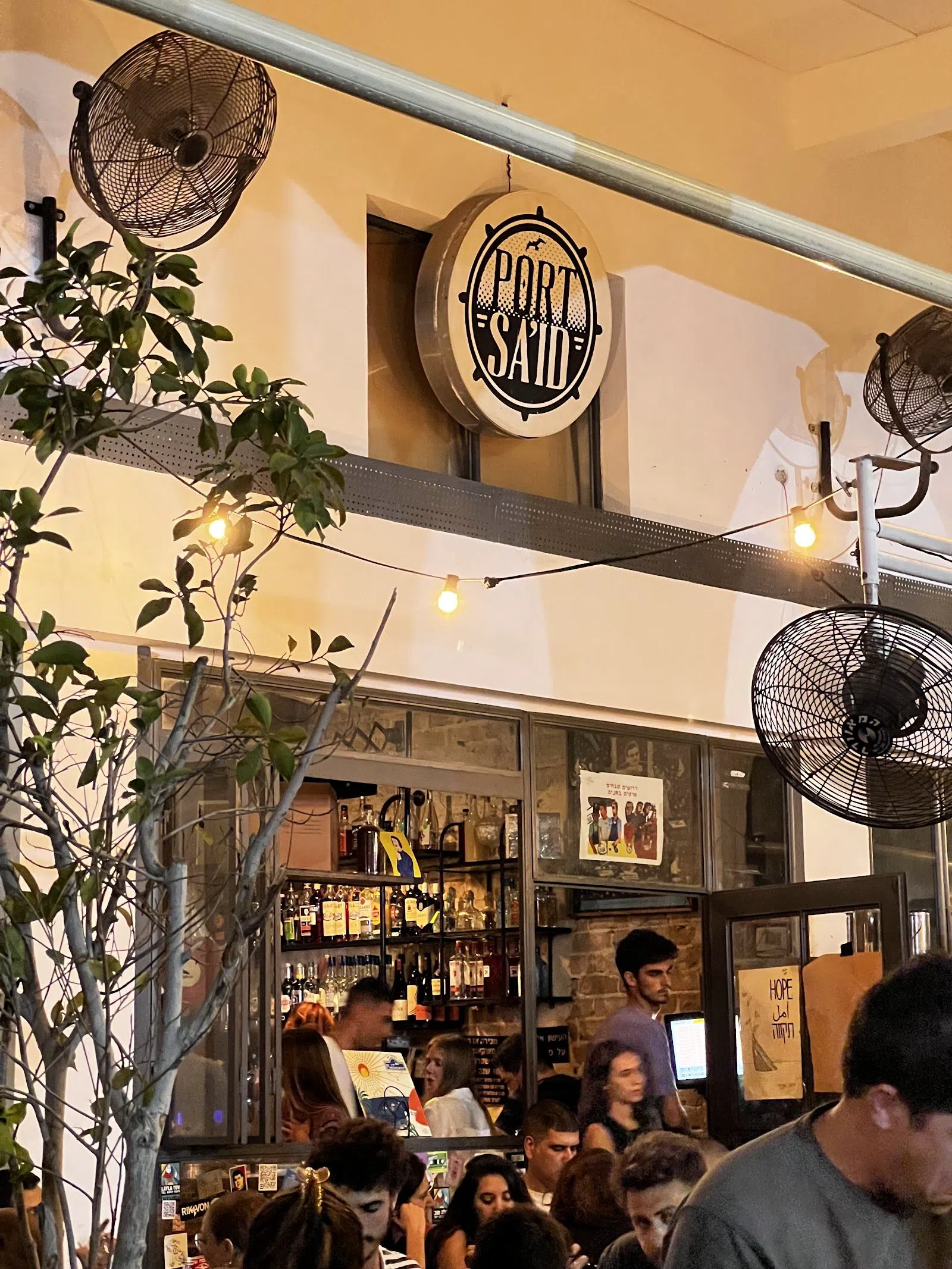
If you would rather eat properly, Port Said sits beside the Great Synagogue on Har Sinai, a pavement gastro-bar with a wall of records behind the bar and Eyal Shani's kitchen behind that. Sharing plates run ₪45–90 and a beer is around ₪30. There are no reservations at all, walk-in only, and a group beyond four to six will wait a long time on the kerb. It closes at seven on Friday evening for Shabbat, which is what catches people out. So Port Said is a Friday late-afternoon stop or a Saturday one, and never a Friday night.
Friday night, and getting back from it
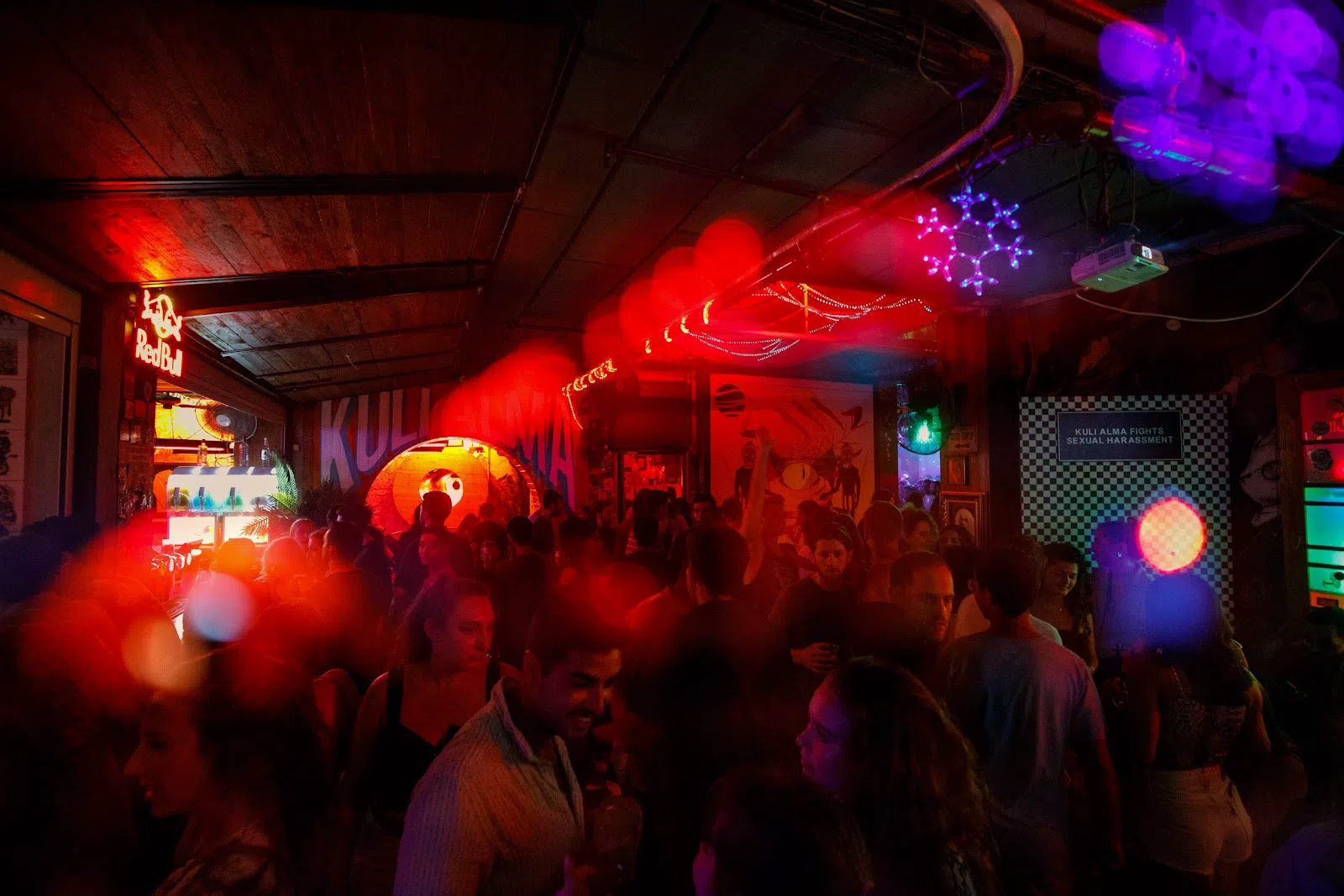
Friday is the biggest night of the week here, and it starts late. Kuli Alma, on Mikve Israel Street a few minutes' walk from Rothschild, opens nightly from around nine with a rotating gallery upstairs and two music rooms below. Entry is free to ₪60, drinks ₪35–50. The door is open and the crowd mixed, which makes it the most workable serious night out for a group that cannot agree on one genre: you split between rooms and stay in the same building. Large all-male groups get more scrutiny at the door than anyone else; arrive before midnight and you avoid most of it.
The Block is the other kind of night. It has been running since 2008, it is the techno room people fly in for, and the sound system is the reason. Advance tickets are ₪90–180, drinks ₪40–55, the door is selective, and it sits away from the centre. Buy online rather than turning up, go in a small mixed group, and budget for a taxi in both directions. Friday night at The Block runs well past the point where any public transport exists. That last part is not a detail. Work out how you are getting home before you go out, not at four in the morning on a road with no buses on it.
Saturday opens on the water
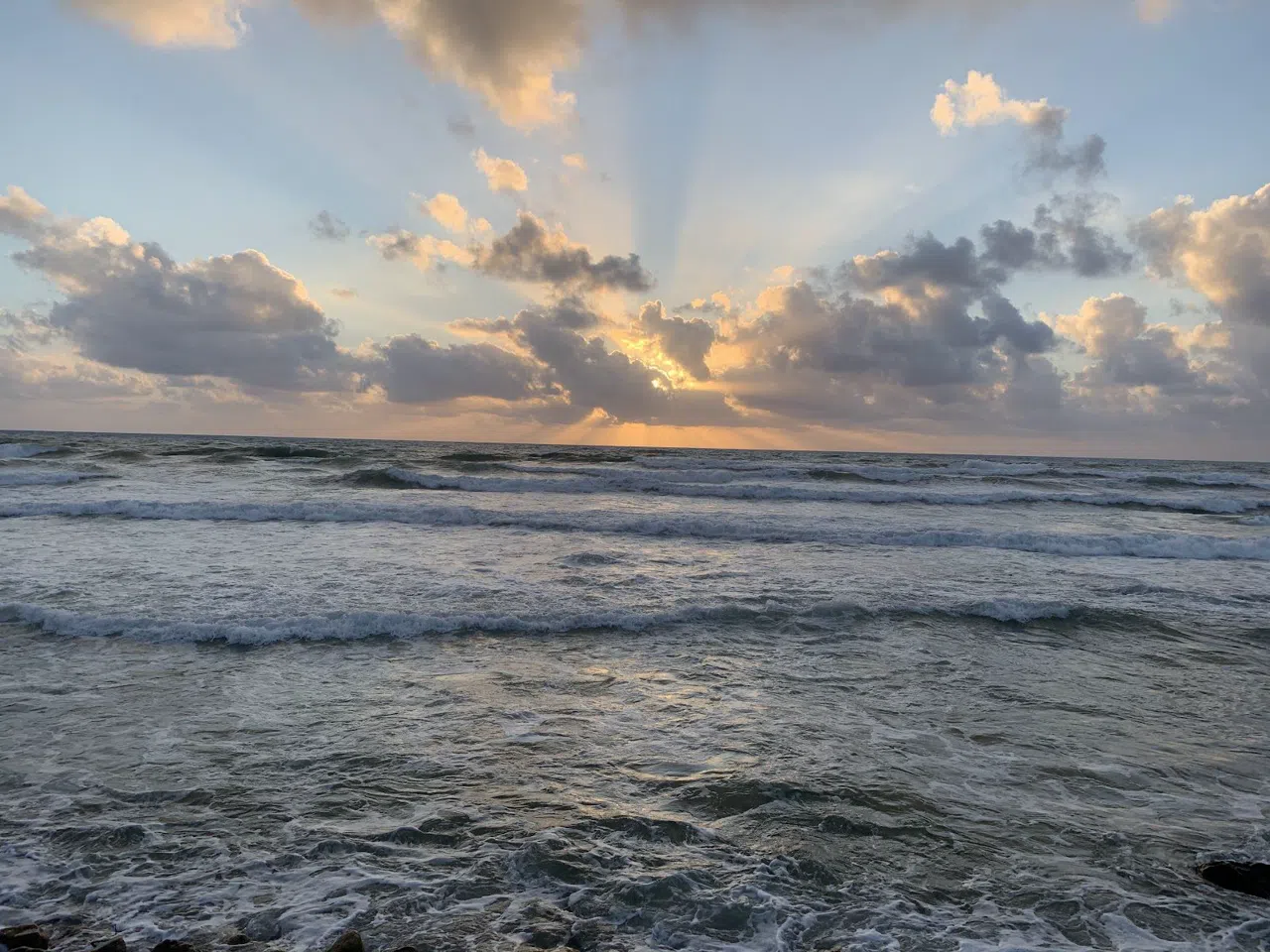
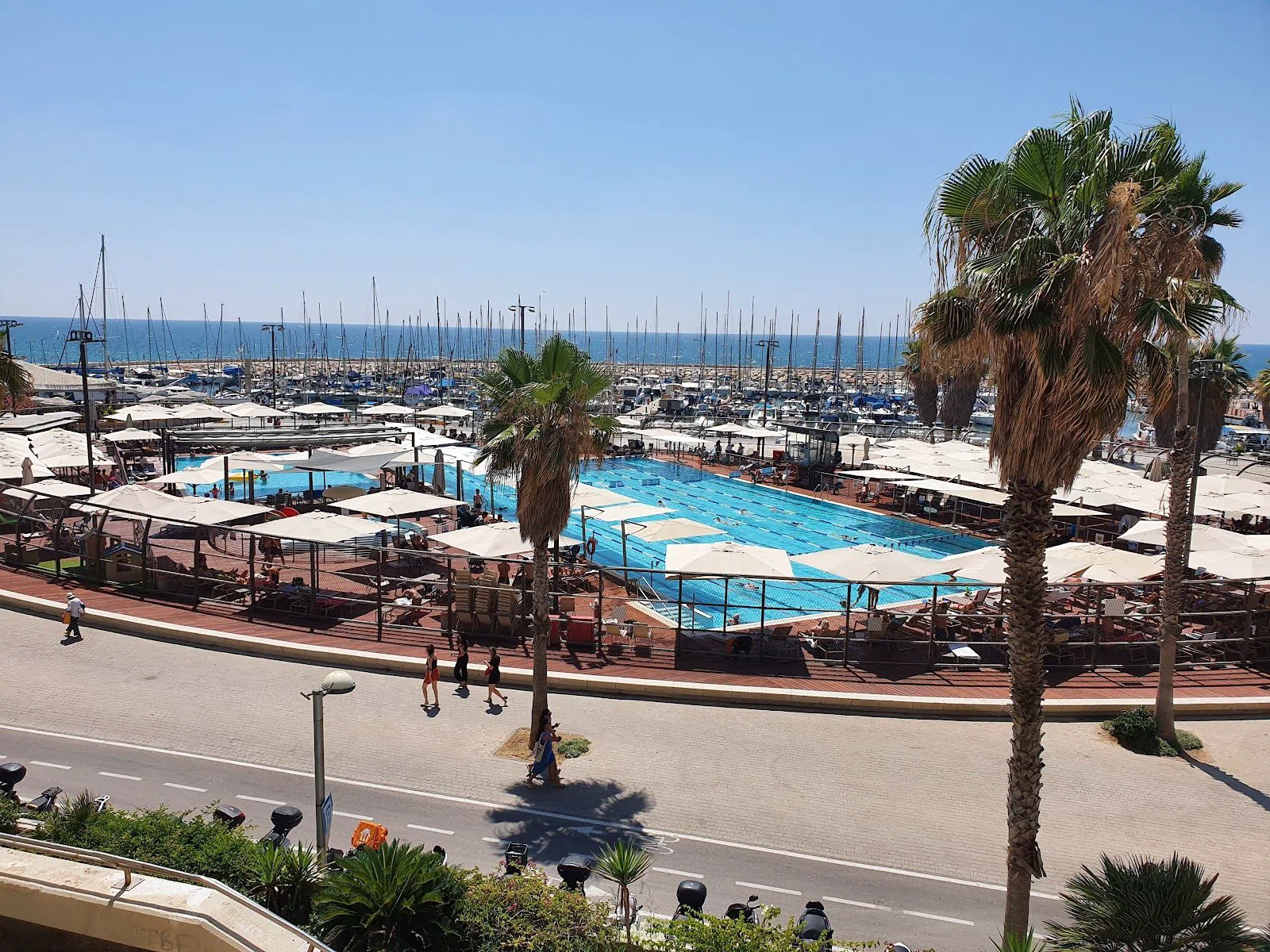
Saturday morning is the best argument for staying near the seafront. Gordon Pool, on the promenade by the marina, is filled with mineral-rich seawater and opens Saturday from seven in the morning until six in the evening. Entry is around ₪55–90, you pay at the gate, there is nothing to book and any size group simply walks in. It is walkable from the whole hotel strip, which on a day with no buses is the entire point.
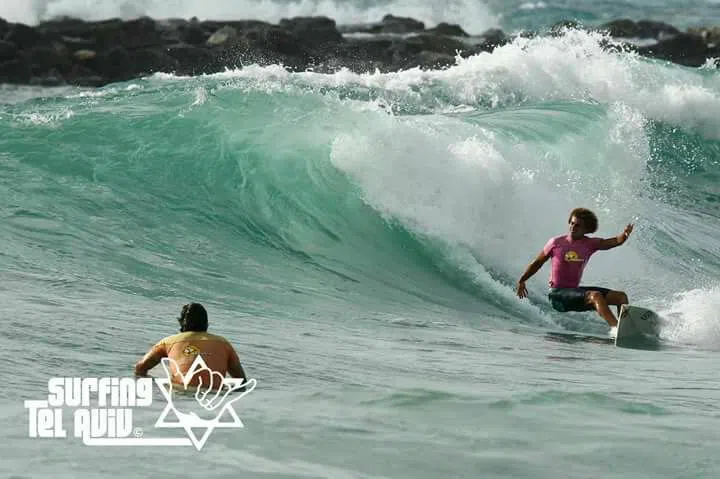
A few minutes further along the sand, Topsea Surf Club runs seven days a week from 7am to sunset, one of the only things in the city that ignores the calendar completely. Board rental is ₪50 an hour or ₪100 for the day, and a two-hour group lesson is around ₪250. Book the beginner class at least a day ahead. Group lessons are the house format and they take mixed walk-in groups, which is why the Friday morning adult beginner class has a reputation as the simplest way in the city to end up talking to strangers you did not arrive with. Gordon is the beginner break; Hilton and Topsea itself are for people who already know what they are doing.
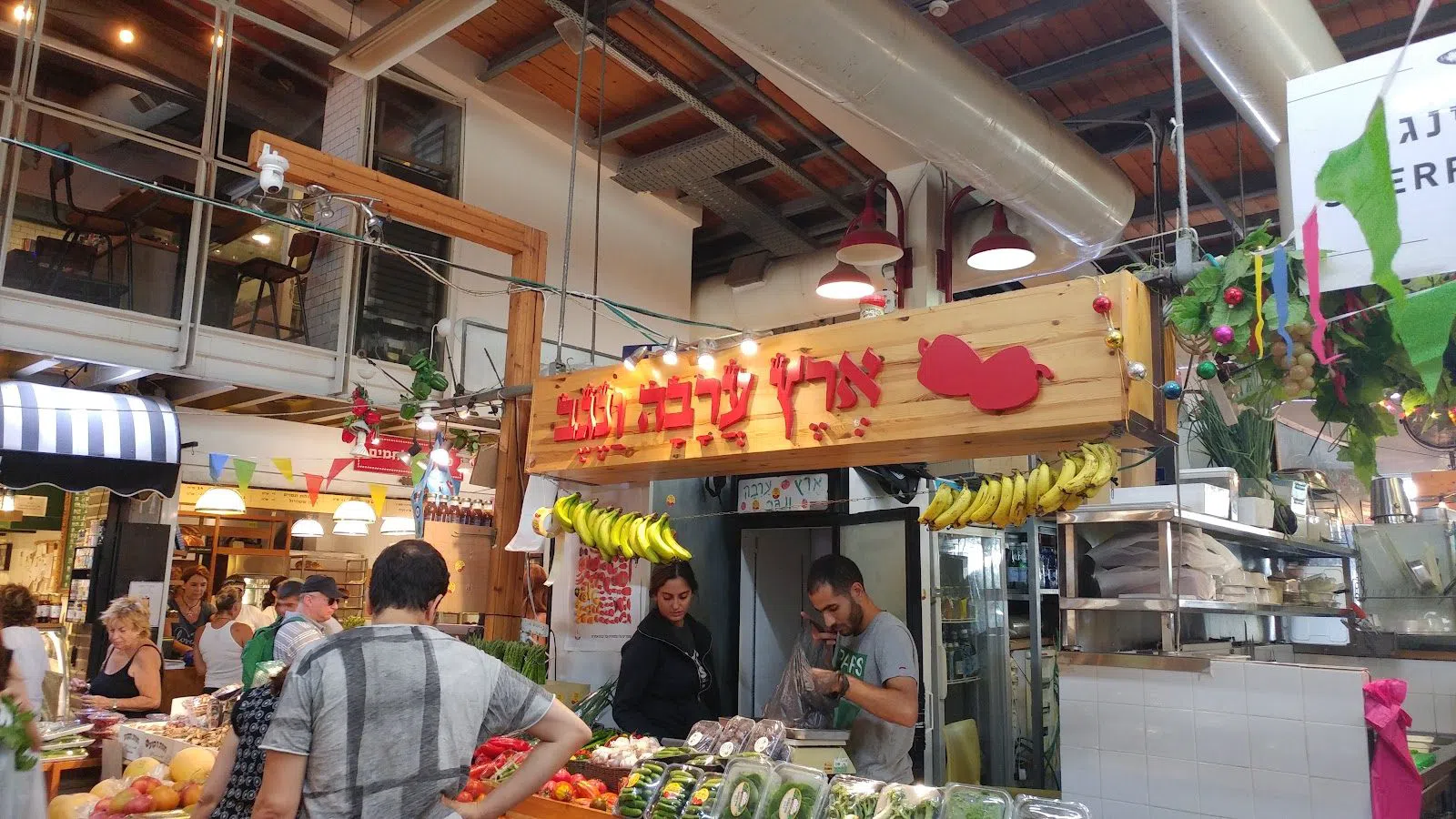
Food on Saturday morning is solved in the north at Shuk HaNamal (Tel Aviv Port Market), a covered hall of counters and communal tables with sit-down restaurants attached. It runs roughly 08:00–20:00 on Saturday and 08:00–15:00 on Friday, and closes on Sunday. Dishes are ₪45–110 and no booking is needed even for a group. On Friday mornings a farmers' market takes over the adjacent lot. The boardwalk outside is flat and wide, which makes it the easiest walk of the weekend for prams, mixed-pace groups and anyone who has just been surfing.
A Shabbat afternoon in Jaffa or in a museum
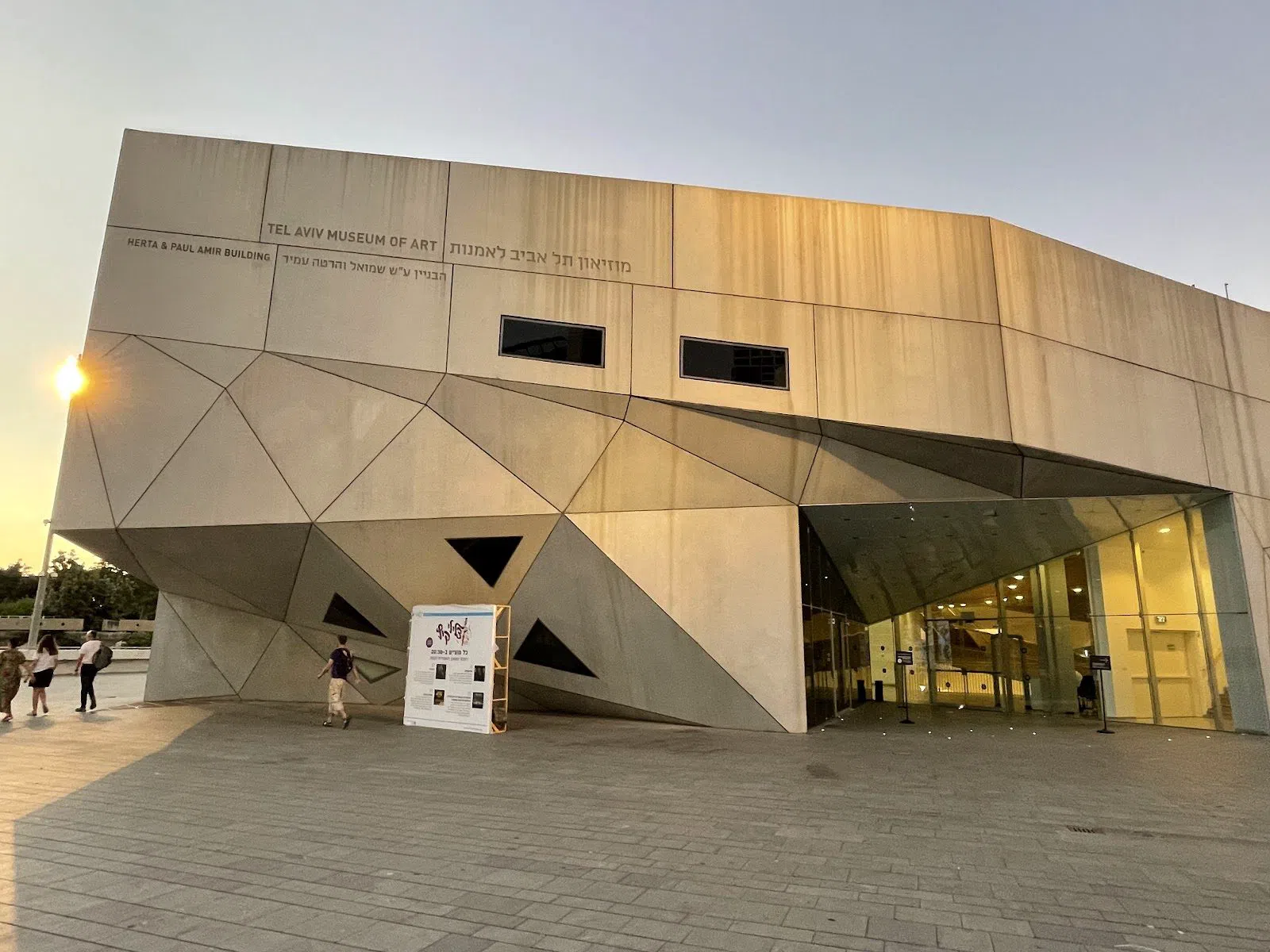
The Tel Aviv Museum of Art on Sderot Sha'ul HaMelech keeps hours that run against the grain of most museum weeks: Saturday 10:00–18:00, Friday 10:00–14:00, closed Sunday. General admission is ₪55, students ₪45, under-18s free, and groups of 25 or more get 20% off by appointment. Otherwise you buy at the door. Build a Saturday afternoon around it if the weather turns. The Amir building, with its light falling down through the folded concrete, is as much the reason to go as anything hanging on the walls.
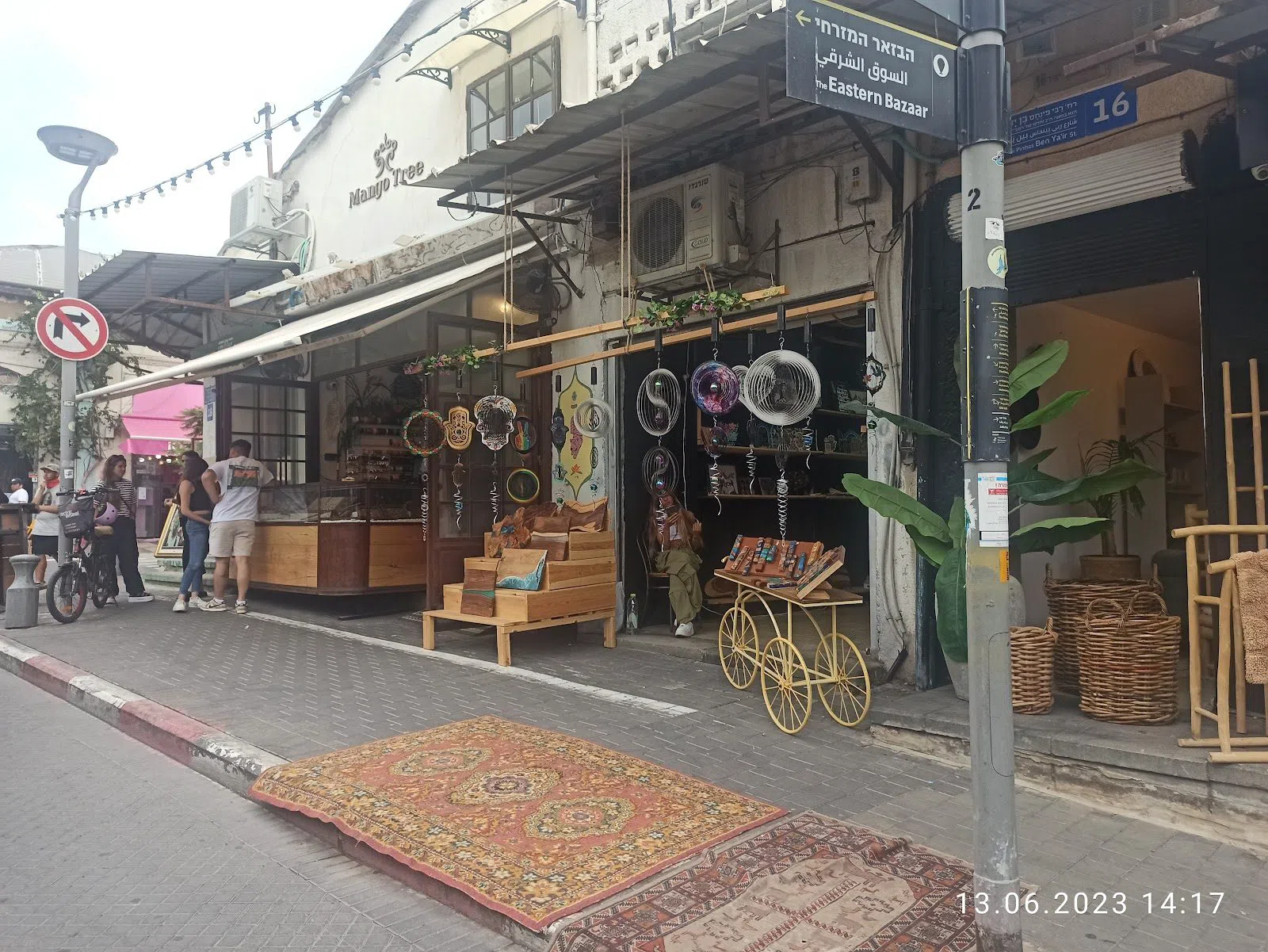
The alternative is Jaffa, and it comes with one fact that reorganises the day. At the Jaffa Flea Market (Shuk HaPishpeshim) the antique stalls are closed for Shabbat, but every bar, café and restaurant in the quarter is open, so the market stops being a shopping district and becomes an eating and drinking one. Wandering is free, mains run ₪60–140 and drinks ₪30–45. Bars seat groups readily, but book ahead for Saturday lunch, because the quarter fills. If you want the stalls themselves, that is Sunday to Thursday 10:00–18:00 or Friday 10:00–14:00.
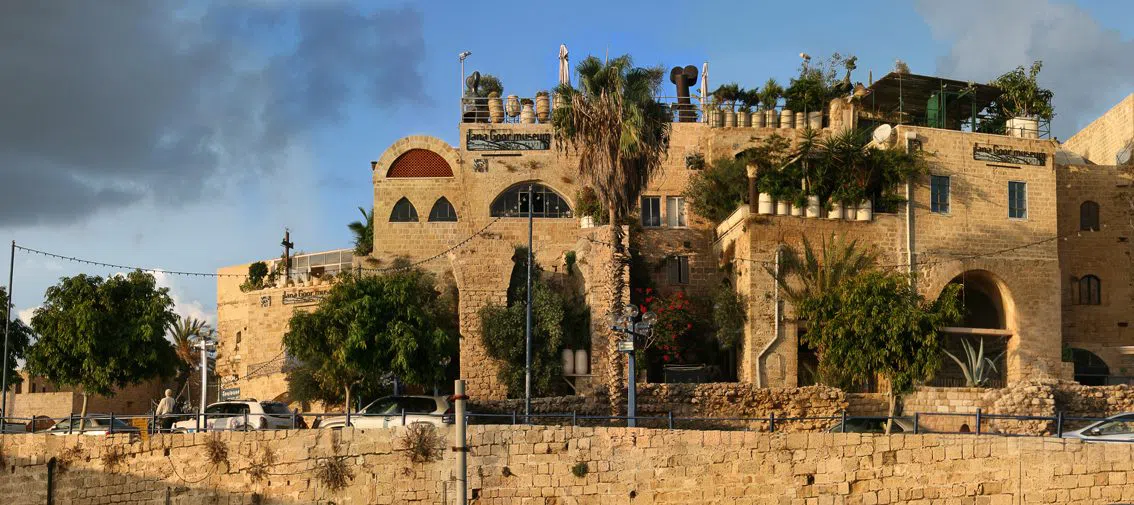
Two minutes' walk into Old Jaffa, the Ilana Goor Museum is open Saturday 10:00–16:00 and costs around ₪40–50. It is an artist's house in an old stone building rather than a gallery, and people climb the stairs for the rooftop, looking back up the coast at the towers you were swimming below that morning, at least as much as for the collection. It is small, so call ahead if there are more than a handful of you; guided group visits are arranged on request.
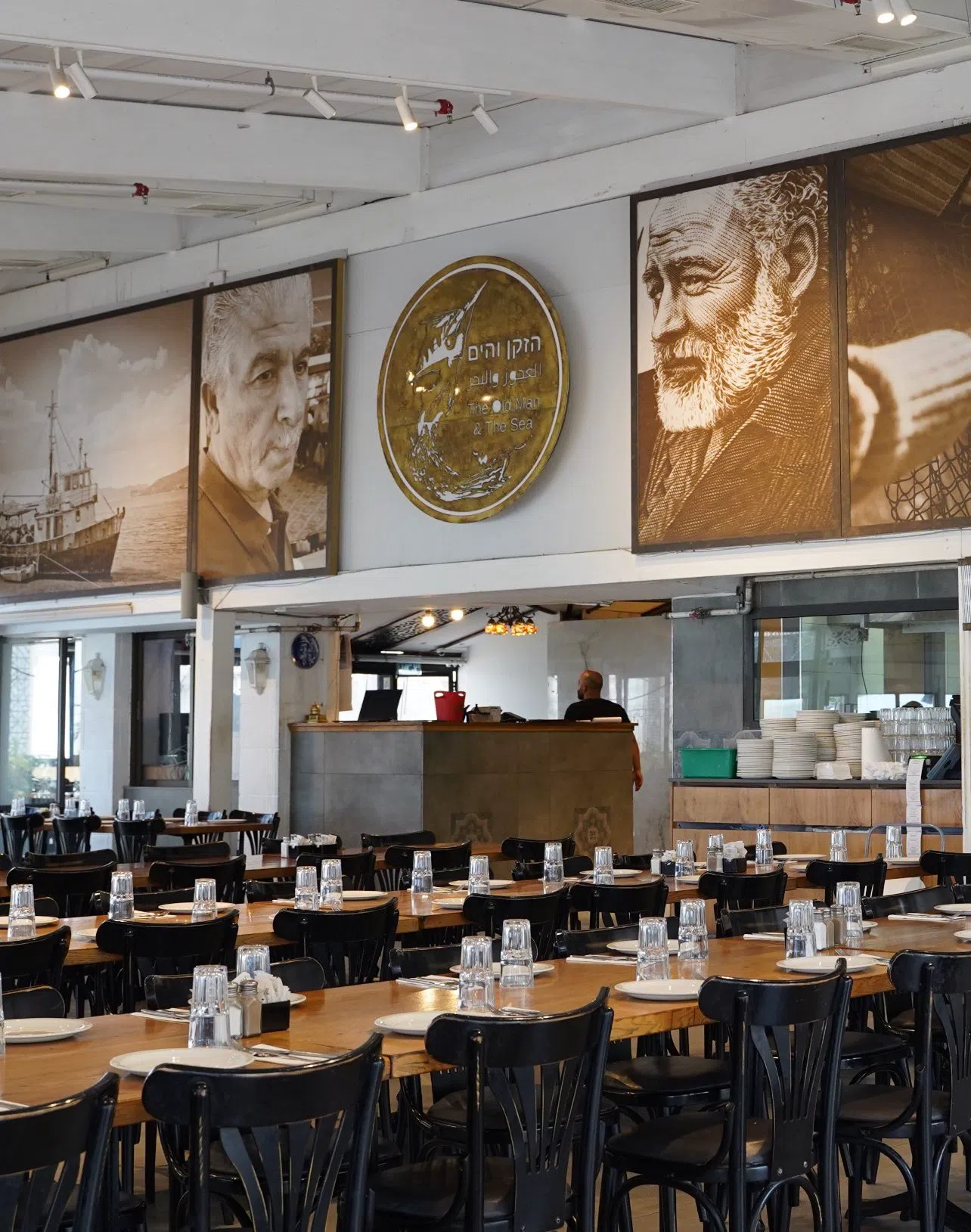
When the table gets bigger than the argument about where to eat, The Old Man and the Sea at Jaffa port has been solving that since 1999. Roughly ₪120–200 a head brings twenty-odd mezze to the table automatically, with salads and drinks folded into the main course price, across hundreds of covers indoors and out. There is a set-price events offer for large tables, and you should call ahead for one on a Saturday. The crowd is genuinely mixed and local, which is rarer than it sounds at that volume.
Travelling alone, and where to sleep
Two problems define this weekend: getting around when transport stops, and meeting anyone when you have arrived by yourself. Abraham Tel Aviv, near Levontin south of Rothschild, is the one address that answers both. It has dorm beds at ₪120–200, private rooms ₪400–700 and whole apartments, plus an in-house bar and an organised pub crawl at around ₪120 that deliberately mixes guests with non-guests, so you do not have to sleep there to drink there or join the trips. More usefully, it is within walking distance of Rothschild, Florentin and Carmel Market, so a Saturday with no buses costs you nothing.
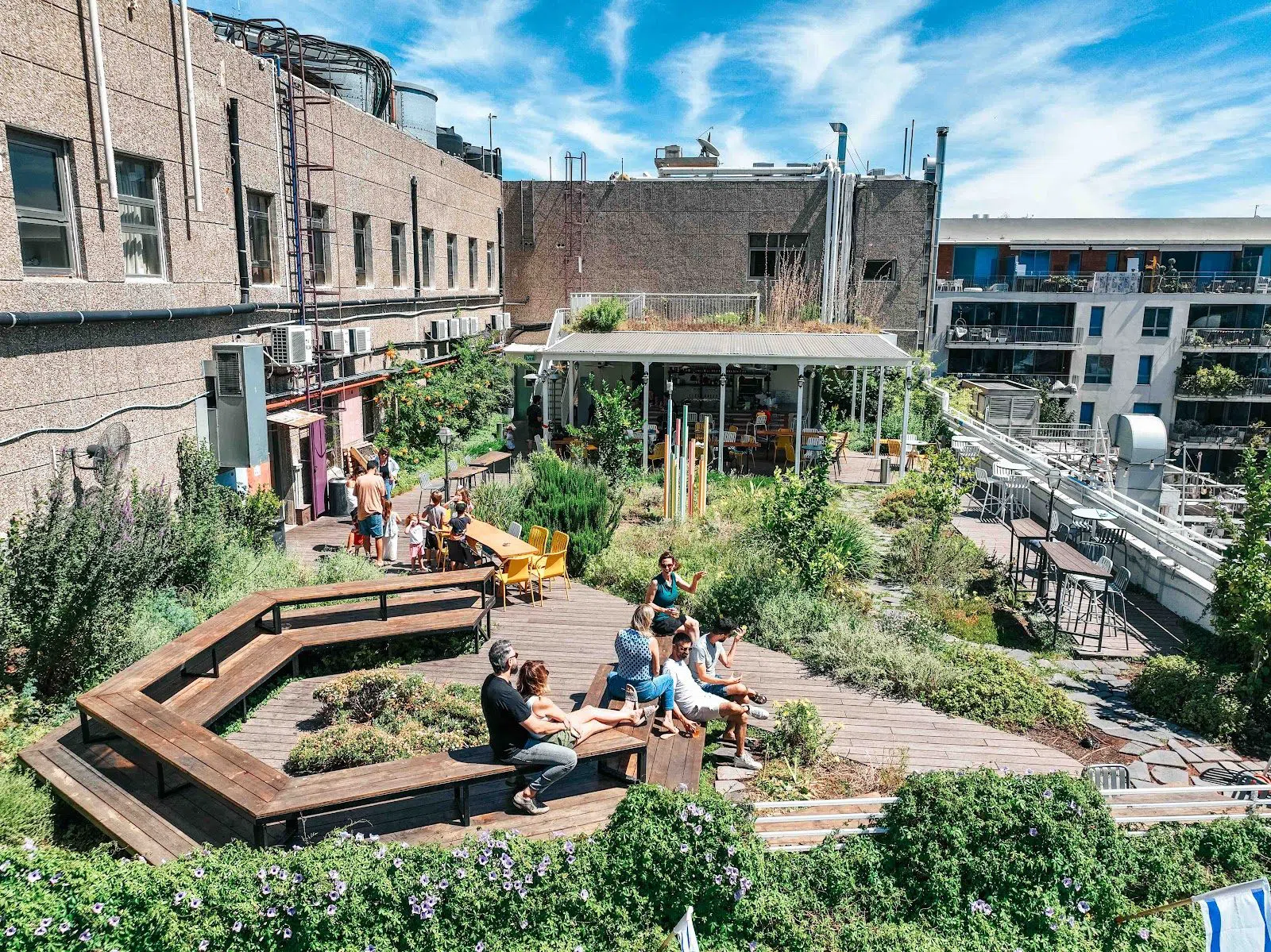
If a hostel bar is not your weekend, the same logic still applies: stay in the strip between the seafront and Rothschild and the whole itinerary above becomes walkable. Compare rates and locations through Tel Aviv hotel search and weight walking distance more heavily than you normally would.
Practical notes for the two days
Transport. Buses and trains stop from Friday afternoon until Saturday evening. Taxis and ride-hailing apps keep working throughout, so nothing is unreachable. It just costs more and takes a decision. Plan Saturday as a walking day along the seafront and into Jaffa, and reserve taxis for The Block and for anything after midnight.
Cash. Market stalls, the hummus counter and the smaller bars are happier with shekels than cards. Carry a few hundred and keep small notes for ₪15–45 snack purchases.
Timing. Friday morning 8:00–13:00 is the only window for markets and Abu Hassan. Friday 14:00–18:00 belongs to Teder.fm and Port Said, which shuts at 19:00. Friday night starts at 21:00 and ends when you can afford a taxi. Saturday 07:00–12:00 is pool, surf and the port market; Saturday afternoon is the museum or Jaffa; Saturday evening the kitchens are open again.
Budget. A moderate day comes to roughly ₪350–500 a head: market snacks, one sit-down meal, a museum or pool entry, a couple of drinks. A Friday night at The Block with taxis both ways adds ₪250–400 on top. A big mezze dinner at Jaffa port is ₪120–200 before you have ordered anything extra.
For context on the rest of the city beyond these two days, the Tel Aviv guide covers the districts these routes pass through. But the weekend itself is simpler than it looks from the outside: front-load Friday, walk Saturday, and never assume anything with a shutter will be open twice.
Before you go
Does public transport run in Tel Aviv on Shabbat?
No. Buses and trains stop from Friday afternoon until Saturday evening. Taxis and ride-hailing apps keep working the whole time, so nothing is unreachable, but it costs more. The practical fix is to stay between the seafront and Rothschild so Saturday can be done on foot, and to budget taxis both ways for anything out of the centre. The Block especially, where Friday night runs long past the point any public transport exists.
What is actually open in Tel Aviv on Saturday?
More than you would expect, though the list is short. Gordon Pool runs 07:00 to 18:00, Topsea Surf Club is open seven days from 7am to sunset, Shuk HaNamal trades roughly 08:00 to 20:00, the Tel Aviv Museum of Art is open 10:00 to 18:00 and the Ilana Goor Museum 10:00 to 16:00. In the Jaffa Flea Market the antique stalls are shut but every bar and restaurant is open. Port Said, Teder.fm from midday and The Old Man and the Sea all serve. Carmel Market, Levinsky Market and Abu Hassan are closed all day.
When exactly do the markets close on Friday?
Carmel Market winds down between roughly 3pm and 4pm, earlier in winter. Levinsky Market is tighter: most stalls are down by 1pm or 2pm, so arrive by 9am. Shuk HaNamal closes at about 15:00 on Friday. Abu Hassan serves from roughly 7:45am to 2:45pm and stops the moment the hummus runs out, which is often before the stated closing time. Everything in this group is shut all day Saturday.
Is Friday night or Saturday night the bigger night out?
Friday. Kuli Alma opens nightly from around 21:00 and The Block's serious techno nights run on Friday past any bus timetable. Saturday evening is quieter but easier: Port Said runs straight through from midday, Teder.fm opens at noon, and the Jaffa restaurants fill up. If you only have one late night in you, spend it on Friday and arrange the taxi in advance.
How do I meet other travellers on a short trip here?
Three reliable places. The Friday morning adult beginner group lesson at Topsea Surf Club, around ₪250 for two hours, puts you in a mixed walk-in group. Teder.fm from midday has no table service, so joining a courtyard table is normal. Abraham Tel Aviv runs an in-house bar and an organised pub crawl at about ₪120, and non-guests can join both.