The sea decides the grid in Tel Aviv, and nearly everything in this guide sits within a forty-minute walk of the same stretch of sand. The city went up quickly in the 1920s and 30s for people living in one- and two-room flats with nowhere to put a guest, so the socialising moved out onto the pavement and never went back indoors. Arriving alone is not a problem you have to solve here. The streets already account for it, and most of the work is standing still in the right courtyard at the right hour.
Start with where you sleep
If you want company, choose the bed before you choose the bars. Abraham Tel Aviv (Levontin Street, a minute off Rothschild) is the address that changes a solo week most reliably. The rooftop runs scheduled things, live music, language exchange, second-hand yard sales, and they are free and open to walk-ins, not just to guests, so you can use it even if you sleep elsewhere. Reception is staffed around the clock, which matters if you land at three in the morning, and the in-house day trips mean you can meet people without having to be any good at bars. Dorm beds run roughly ₪110–180, private rooms from about ₪400. The honest caveat: it is a large hostel, and large hostels grow cliques. The lounge will not introduce you to anybody. Put a scheduled event in your first evening and go to it alone.
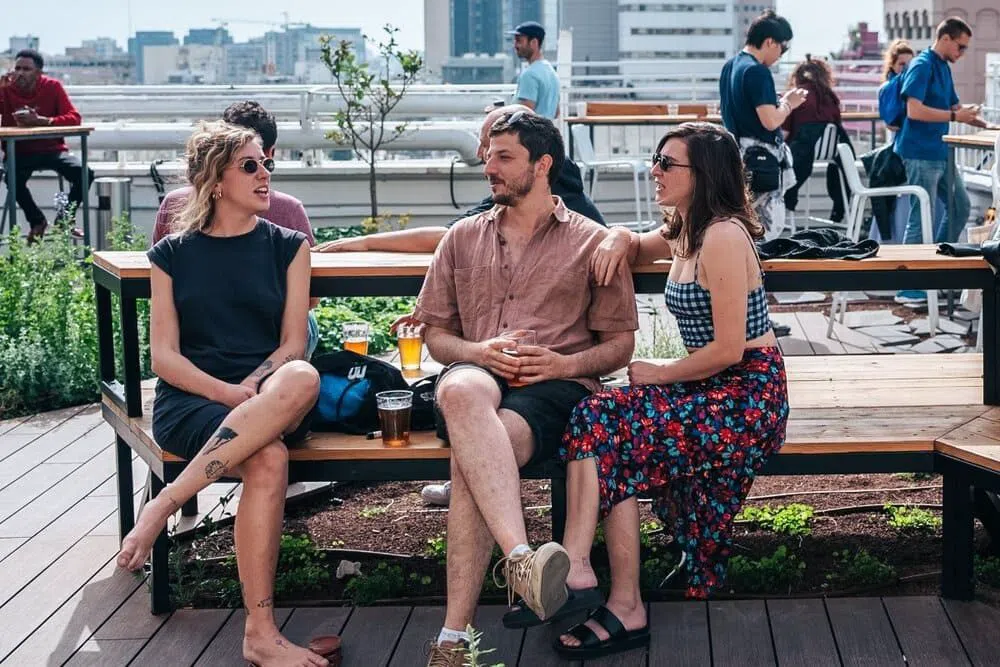
The Spot Hostel is the north-end counterpart, with the park, the river and the beach all a few minutes' walk away. Open-mic nights and beer workshops are built to put strangers at one table, and dorms sit at roughly ₪110–170. Take this one if you want a sociable stay rather than a party one. The difference is real, and on a long trip it is the difference between sleeping and not.

Florentin House (Florentin) is for travellers who want their own door. Private rooms run roughly ₪450–800 a night, long stays from about ₪4,900 a month, and the desk answers on WhatsApp at any hour. The rooftop hosts parties and celebrations and is the kind of place where people talk to each other rather than sit in rows with headphones on. It also puts you inside Florentin, where most of the rest of this list clusters, so you can walk home from every bar below.
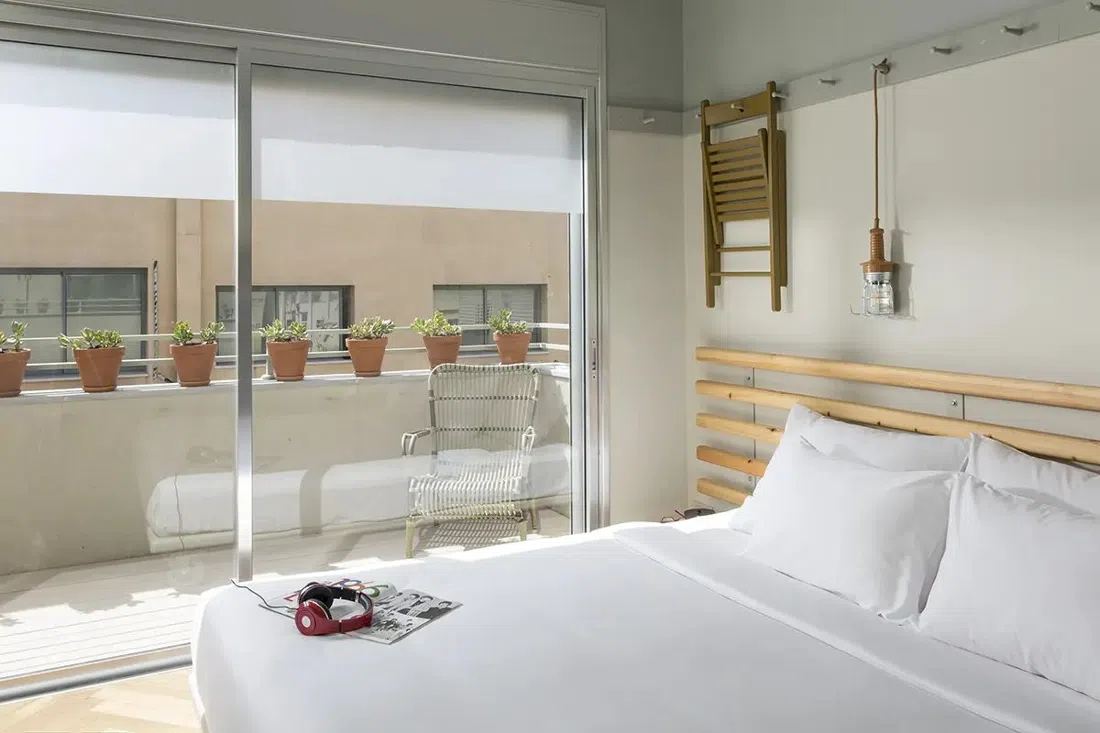
If you would rather have a lift, a desk and silence, the Tel Aviv hotel search covers the seafront well. Plan your evenings deliberately if you go that way, because a hotel lobby will introduce you to no one.
The pavement bars that seat you next to someone
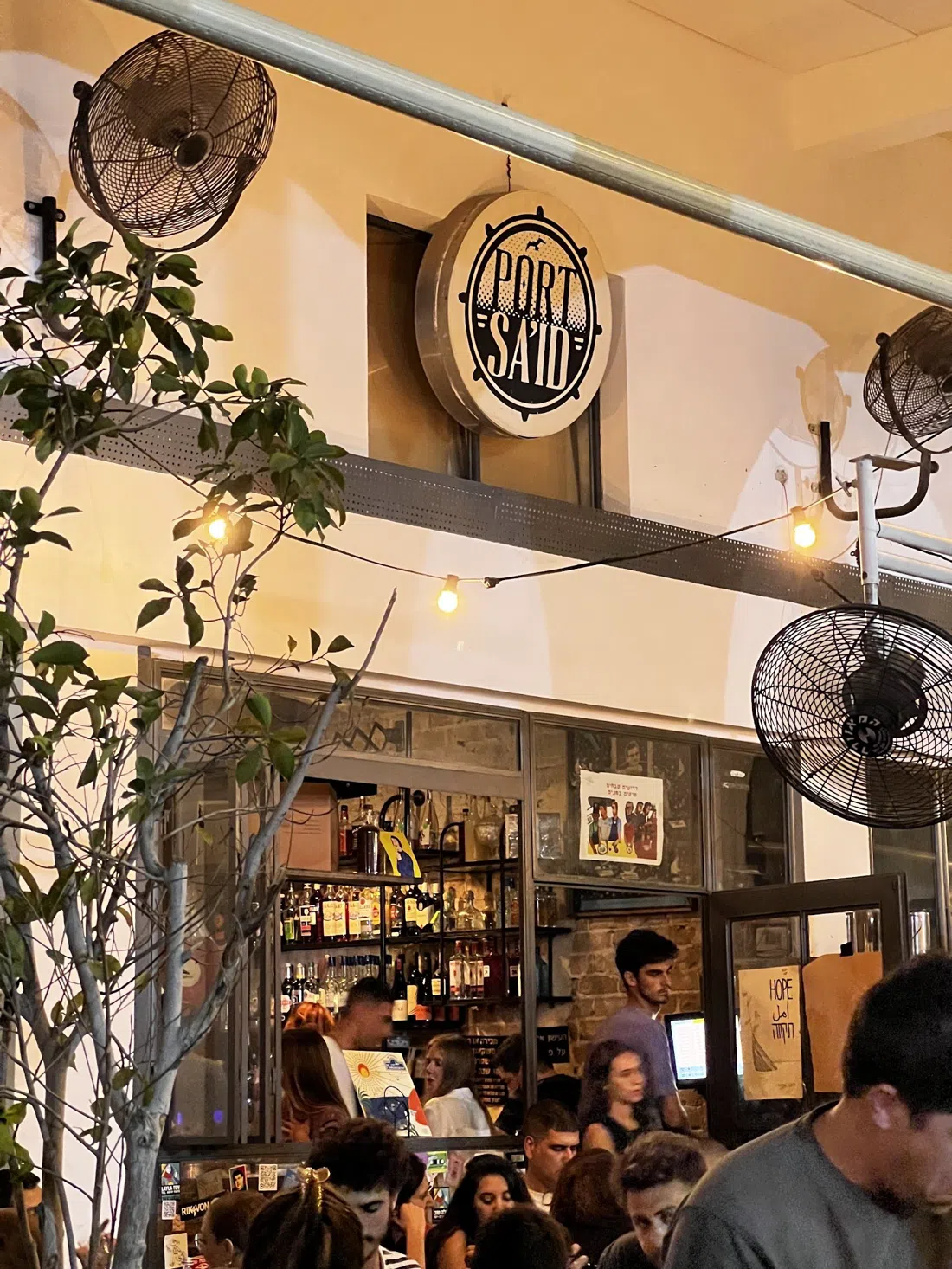
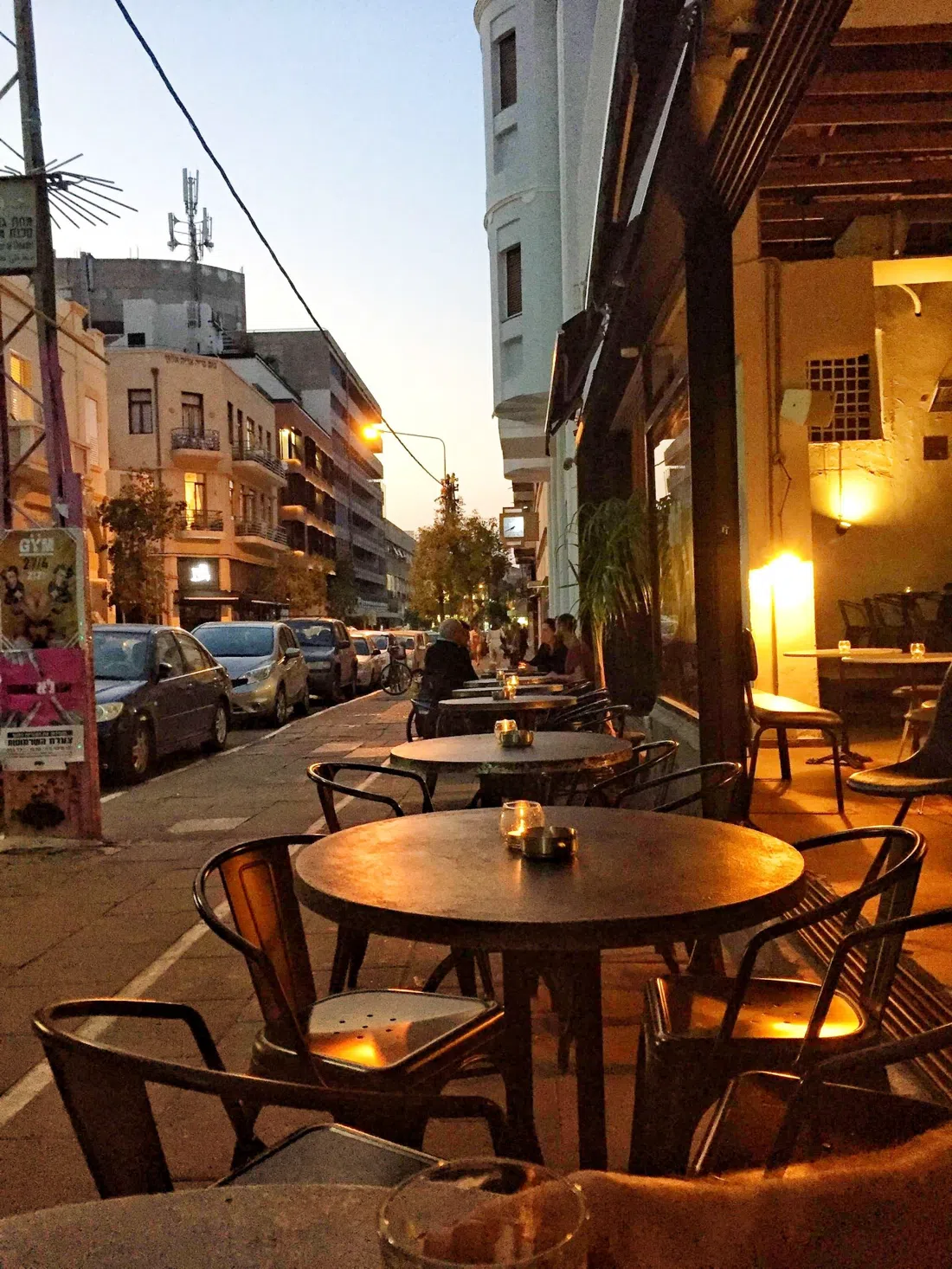
Port Sa'id (Har Sinai Street, in the shadow of the Great Synagogue just off Allenby) takes no reservations at all, and that policy is the whole reason it works for one person. You give your name, you stand in the road with everyone else, and when a table frees up you are seated with whoever else is waiting. Eyal Shani's kitchen sends out a short, sharp menu (mains roughly ₪60–130), and there is a record library behind the bar that gives you something to ask about. Beer is around ₪30. It runs from noon until 5am Sunday to Thursday and on Saturday; on Friday it closes early, at 19:00. Groups of more than three will spend the night split across two tables, so bring one friend or none.
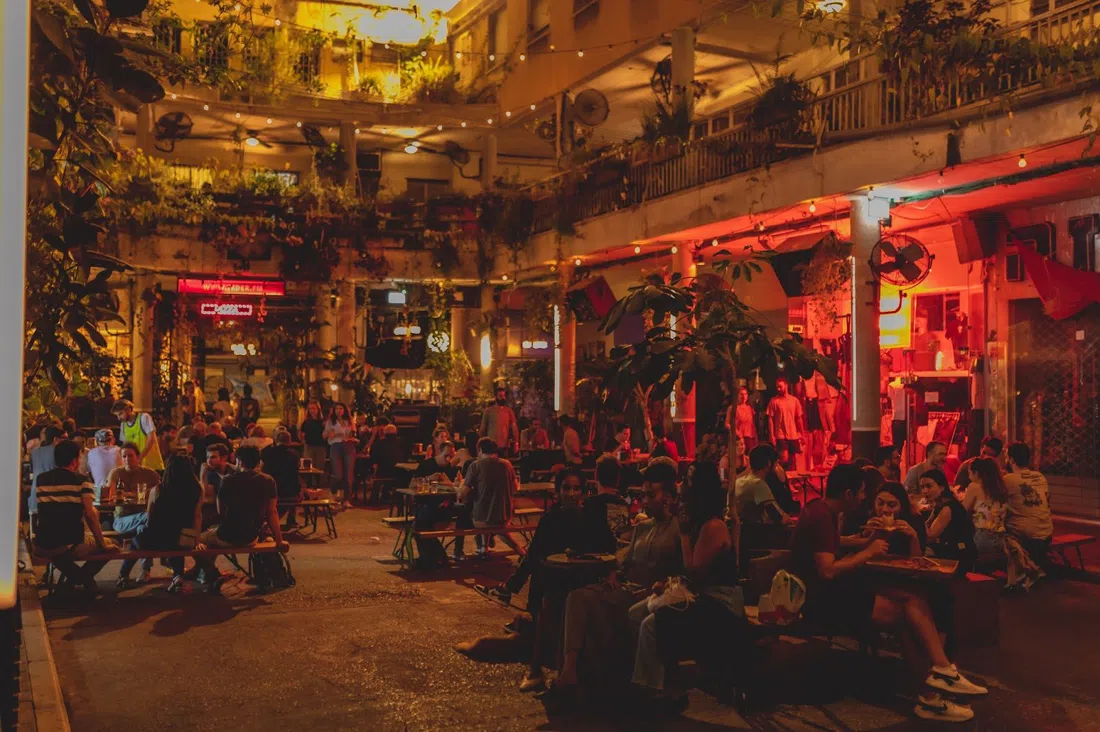
Five minutes south, Teder.fm occupies a courtyard off Jaffa Road, shared with the Romano building. It began as a radio station and grew a beer garden around itself; there are now five distinct spaces arranged around one yard (the club, the gallery, the record shop, the House of Solidarity and Romano), so you can move between crowds without leaving or paying again. Nobody selects at the door, the benches are communal, and pizza at roughly ₪50–70 with drinks at ₪30–45 makes it a cheap place to sit for three hours. It opens at 18:00 daily and from noon on Friday and Saturday. Come for the early-evening slot: the courtyard is loud but still conversational before about ten.
Hoodna Bar (Abarbanel Street, at the southern end of Florentin) is the least pretentious room in this guide and the easiest one to talk in. Israeli acts play most nights, there is no cover and no door policy worth the name, and beer sits at ₪25–35. The backyard seating amounts to sitting near somebody rather than opposite them, which is the arrangement you want. The gaps between sets are when strangers start talking; if you arrive during a loud song, wait it out.
Drinking standing up at the market
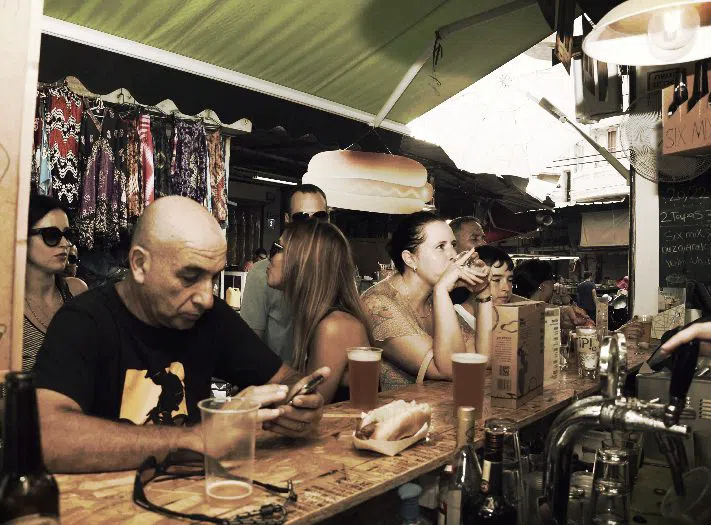
BeerBazaar in Carmel Market pours Israeli craft beer only, and you drink it standing at a counter, which suits one person because there is no table to be excluded from. Pints run roughly ₪28–38 and you never need a booking. One operator runs four sites in the city; the Carmel stall is the daytime one and shuts at 19:00, while Habima, Levinsky and Jaffa carry on late. Work the market first, finish at the counter, and you will have spoken to four stallholders before your first beer.
Two daytime rooms where English is the default
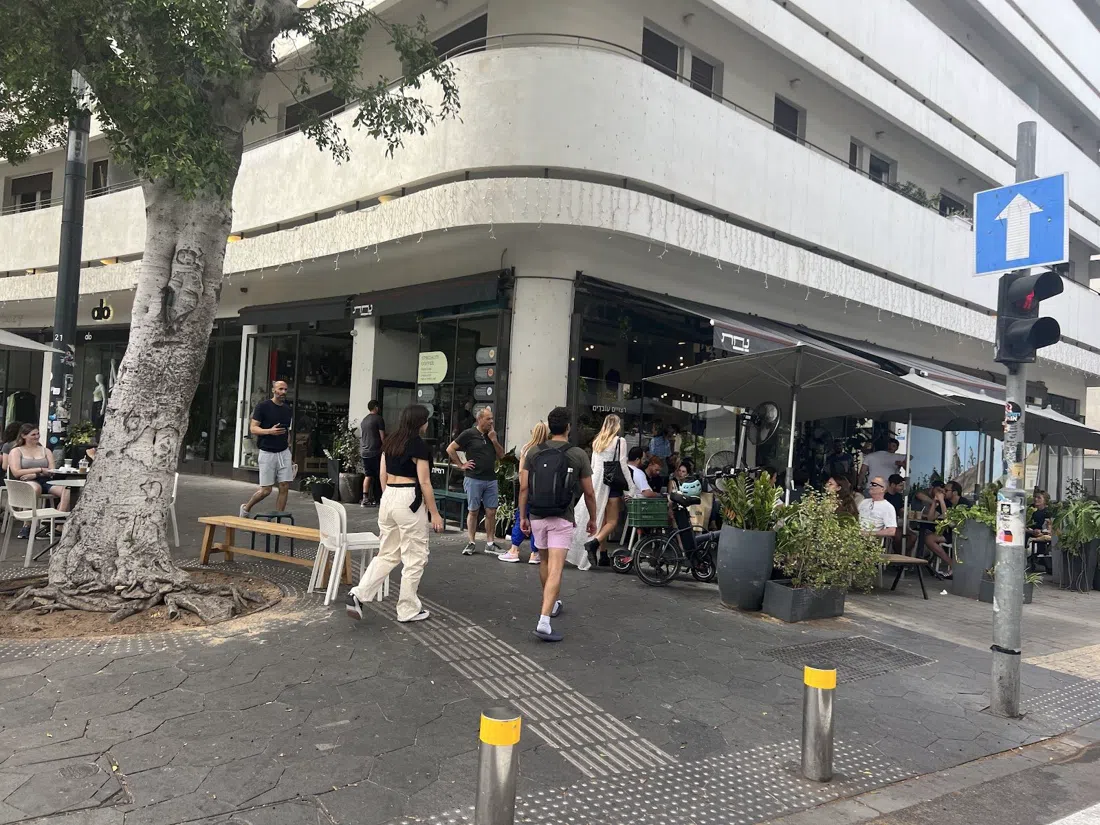
Cafe Xoho (Ben Yehuda) is the closest thing this city has to a shared living room for travellers and long-term foreigners. It moved to Ben Yehuda in 2022, so anyone still sending you to Mapu Street is working from old information. It is a small room with a shared table, English is spoken throughout, breakfast runs roughly ₪50–70 and coffee ₪14–18, and laptops are tolerated. Four or five people will fit outside; eight will not.
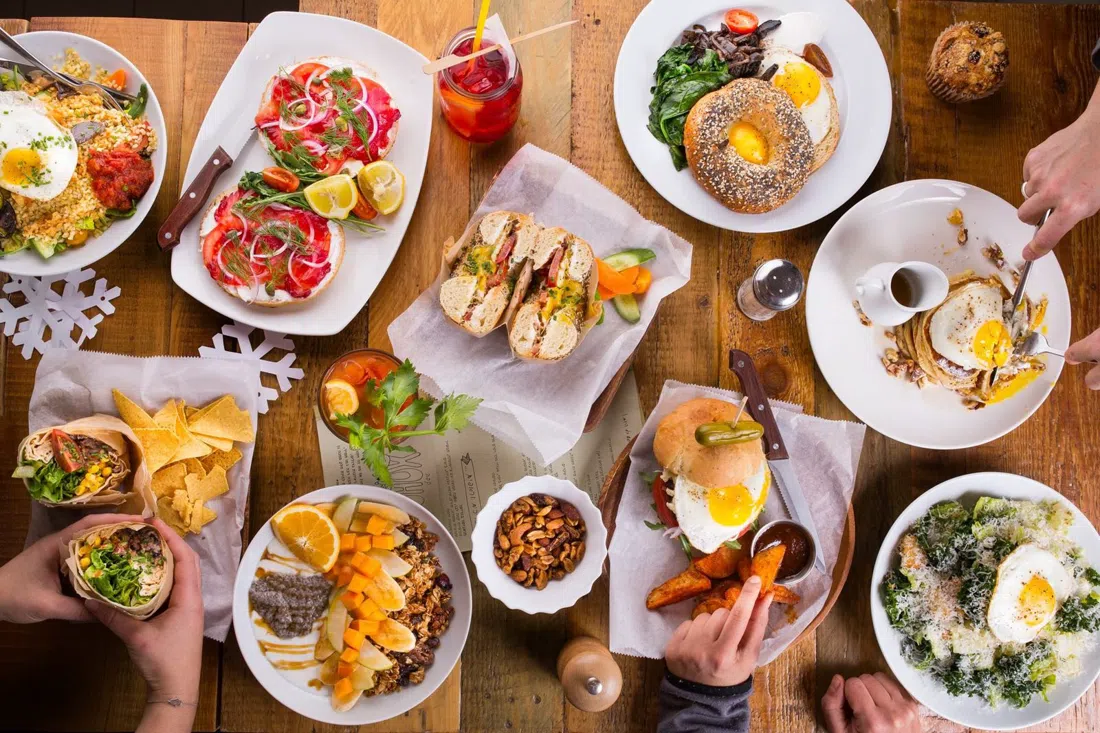
Nahat Coffee (city centre, a few minutes from the market) is a counter rather than a lounge: perfect for one, hopeless for a group. It is a micro-roastery, and the baristas will talk you through what they roasted that week in English if you ask, which is a proper conversation you can have entirely alone. Coffee runs ₪12–20, and unusually for a specialty bar it stays open until 22:00 most days, so it also works as an alternative to a drink.
Friday afternoon on the sand
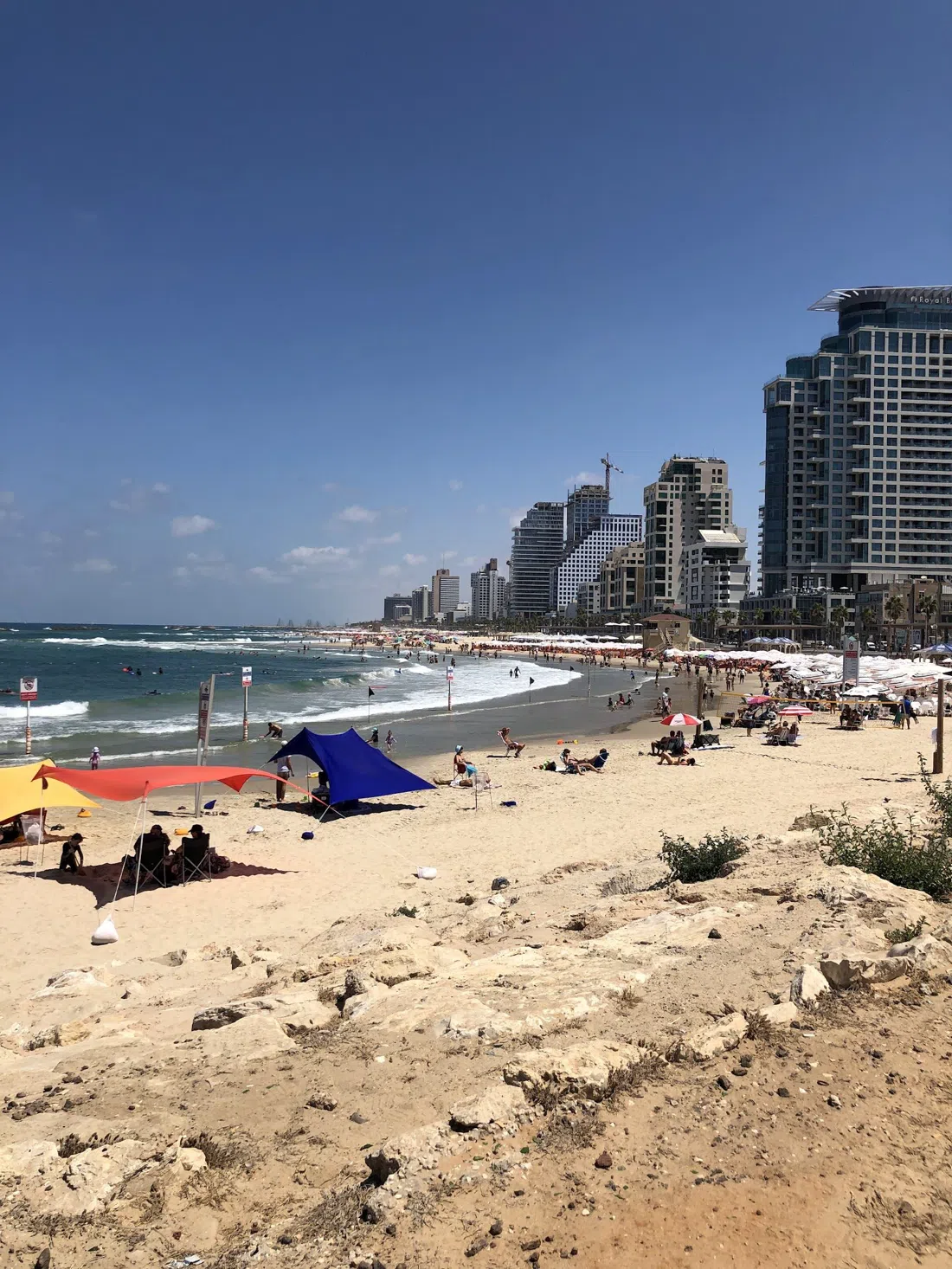
Drummers' Beach, the sand at Charles Clore Park on the old Dolphinarium site, has run every Friday for more than twenty years. From around 15:00 until well after sundown, players gather and anyone can bring an instrument; if you ask, someone will hand you theirs for a few minutes. There is no door, no bill and no requirement to know a soul, which makes it the easiest thing in the city to join on your own. Walk down the promenade from the marina and follow the sound. It thins out when Shabbat dinner calls, so arrive before sunset rather than after.
Two hours of doing something badly beside strangers
Doing something badly alongside strangers works better than drinking alongside them, and Tel Aviv has three formats worth booking.
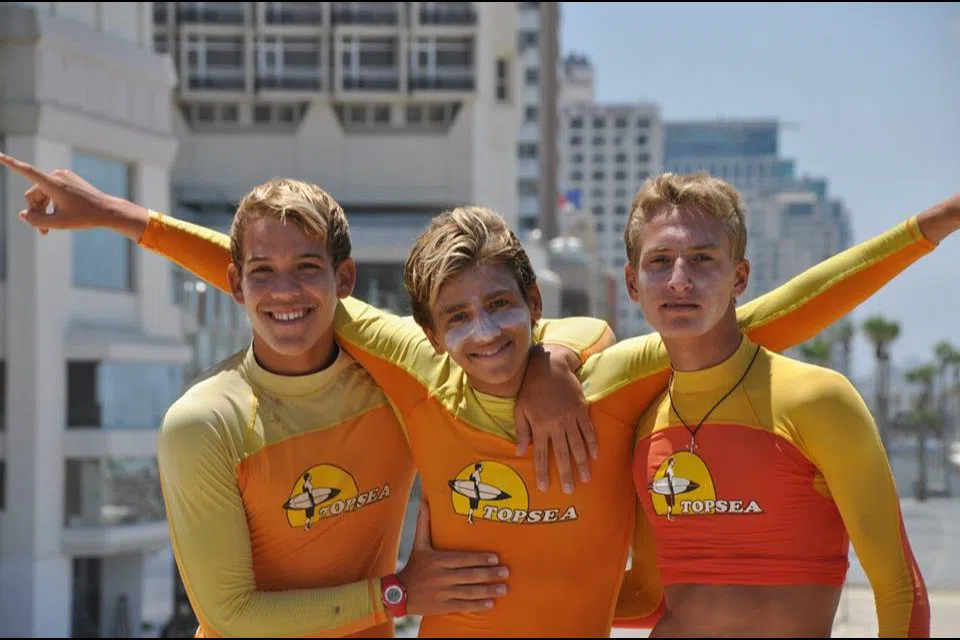
Topsea Surf Club is the country's oldest surf operation, sitting at the city's most dependable beginner break, and it runs shared group classes alongside private ones. Book the group: two hours of cheerful, repeated failure alongside strangers does more than any bar, because everyone is equally undignified. Private lessons run about ₪150 an hour (₪250 for two) and a four-session adult course about ₪700; they teach seven days a week, year round.
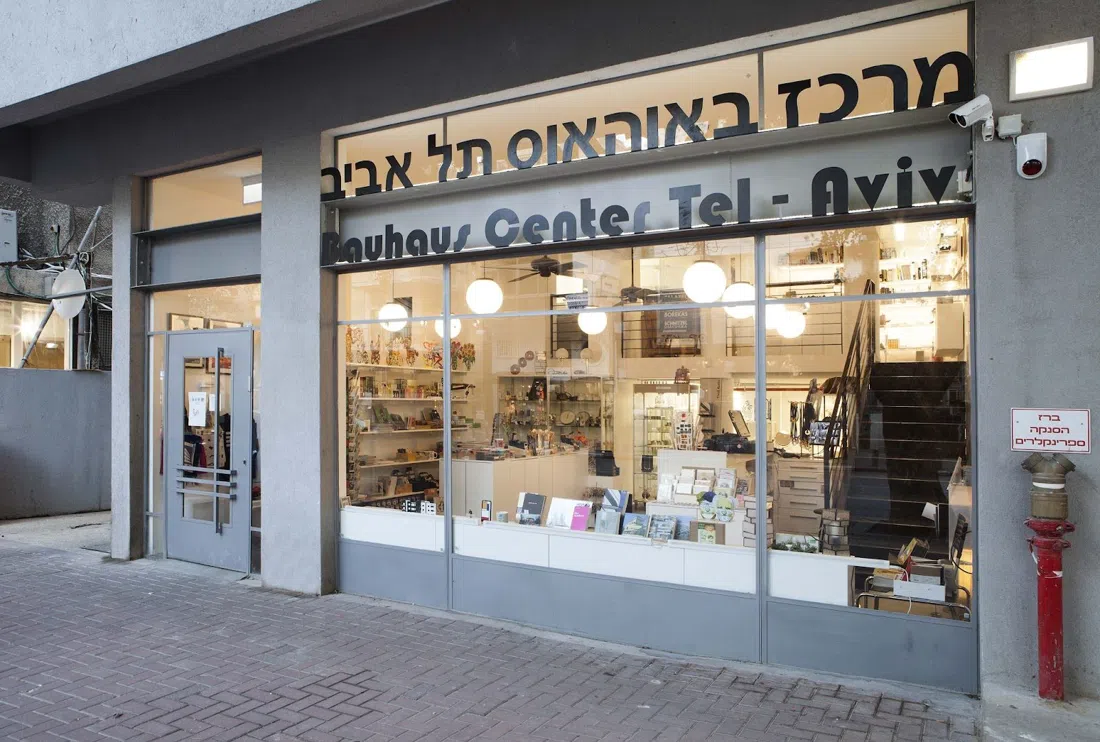
Bauhaus Center Tel Aviv (Dizengoff Street) is a bookshop and exhibition space, free to walk into, and it runs English-language guided walks as booked, shared groups, typically on Friday and Sunday mornings, at roughly ₪80–120 a head. Confirm your slot before turning up, because the schedule shifts; parties of eight or more get steered towards a private booking. You spend two hours walking beside the same dozen strangers through the White City, the thousands of white 1930s buildings that earned the centre its UNESCO listing, and conversation tends to start at the third or fourth stop. It is a soft, low-stakes way in, and you were going to look at the architecture anyway.
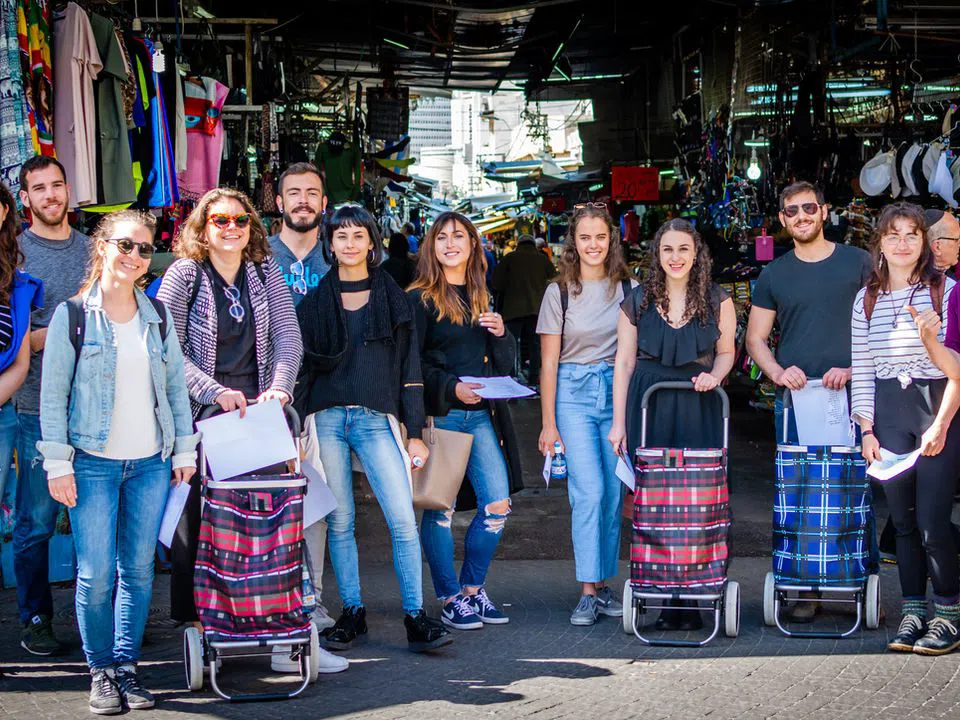
Jon's Carmel Market Cooking Class & Food Tour meets at 10:00 at the market entrance and finishes around 14:30, four and a half hours that ends with everybody eating what they cooked, at one table. The groups are small and shared, which is the point; individual travellers are the normal booking. Reckon on roughly ₪400–550 per person, and book by WhatsApp or email rather than expecting an online checkout. Prices are not posted publicly, so confirm the figure when you book.
Later, and what the doors are actually like
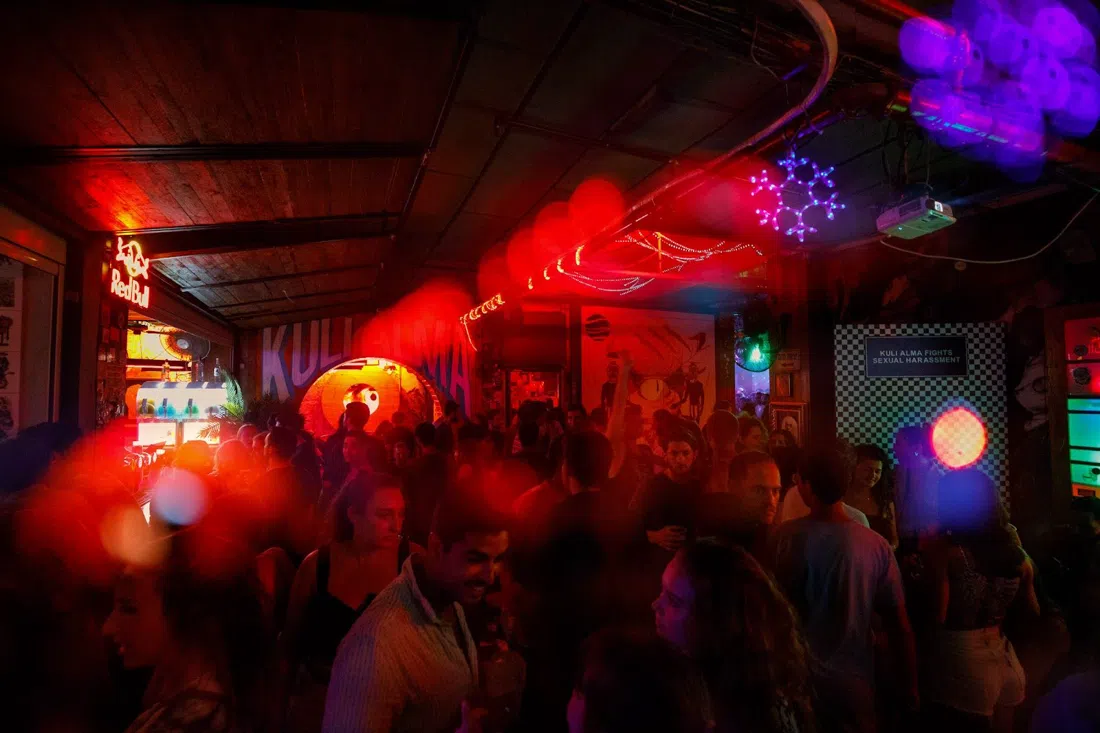
Kuli Alma (Mikveh Israel Street, off Allenby) is a basement that doubles as a gallery, which gives you something to talk about other than the music, useful when the room is too loud for small talk. Entry runs from free to about ₪80 depending on the night, drinks from ₪40, and it goes until 5am. The door is generally easy and the crowd is a genuine mix of locals and visitors. It becomes very full after 01:00; arrive before midnight if you want to hear anyone.
Shpagat (Nahalat Binyamin) opens daily at 21:30 and is the city's best-known gay bar, though the crowd is properly mixed, gay and straight, local and visiting, which makes it a straightforward first stop for a solo traveller of any description. There is usually no cover, drinks run ₪35–50, Wednesday is women's night, and it works as a calm cafe earlier in the day. The room is small: a group of six will take it over, so come as one or two.
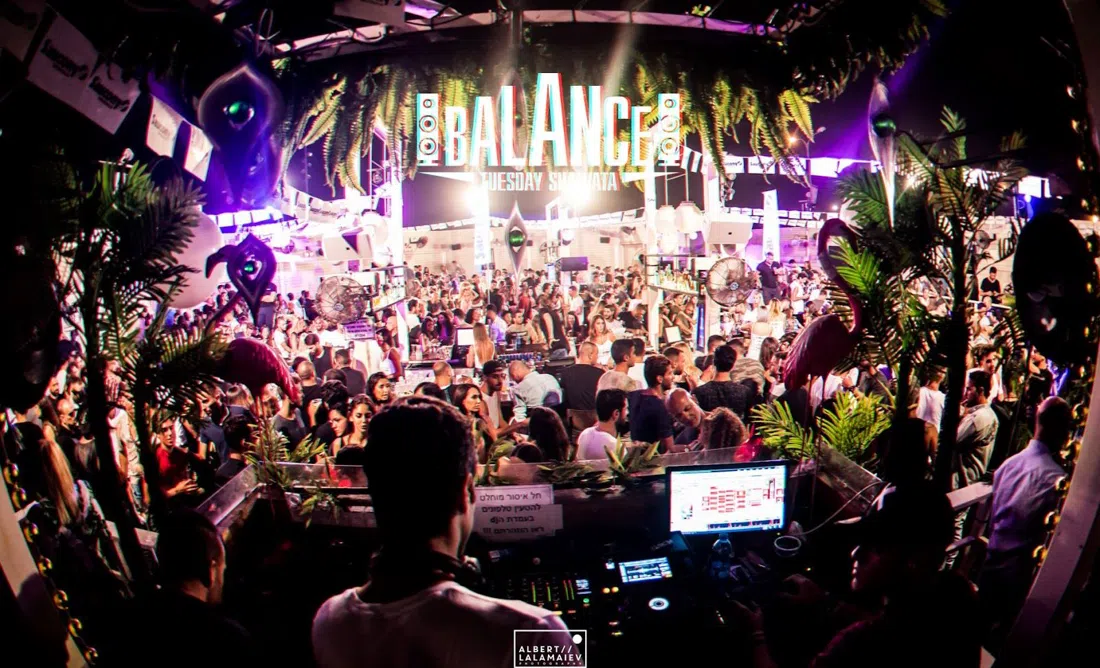
Shalvata sits at the northern port, open to the sea, and is a large-capacity venue that runs ticketed parties: entry roughly ₪50–120, drinks from ₪45, and it has events confirmed through 2026. Groups are the norm here and guest lists and table bookings exist, but on non-event nights walking in is normal. The drinking starts in daylight and the dancing comes later; the handover from sunset to dark is the friendliest hour, and the crowd is at its most approachable then. Bring ID: it is a club underneath the deckchairs.
Practical notes for a solo week
Walk. The distance from Florentin to the port is about an hour on foot along the promenade and you will use it more than any bus. For the rest, buses and the light rail's Red Line take contactless payment or a stored-value travel card, and shared e-scooters are everywhere via the usual apps; the promenade has a proper cycle path if you prefer two wheels you can hold onto.
Time the week around Shabbat. Public transport winds down on Friday afternoon and restarts on Saturday evening; shared taxis keep running in the meantime, and taxi apps work throughout. Friday daytime is the city at its best (market, then the drum circle), while Friday night is quiet in places and relentless in others. Sunday is a working day here, so Sunday night is closer to a Monday than a weekend.
Carry some cash in shekels. Cards work nearly everywhere, but market stalls, the odd bar tab and tips are smoother in notes, and 10–12 percent is normal in restaurants. English is widely spoken in every place above.
On money: a sociable day without hotel costs sits around ₪200–300 for coffee, a market lunch and two or three drinks, and a booked activity adds ₪80 for a walk, roughly ₪150–250 for a group surf lesson, or ₪400–550 for the market cooking day. Reserve nothing except the guided walk, the surf class and the cooking course; the bars in this guide want you to turn up without warning. For the rest of the city, beaches, markets, what to eat, the Tel Aviv guide fills in around this route.
Pick one scheduled thing a day and go to it on your own. I learned that the hard way. The hostel rooftop on Monday, the surf lesson on Tuesday, the drum circle on Friday. Left to chance, you will walk the promenade alone for a week and call it a quiet trip.